
Gongmei Tea
Gongmei is the everyday worker of the white tea family, and it is too often skipped by drinkers who only know the famous two grades. Made from more mature leaves than White Peony, often with a small stem attached, it is the grade where white tea starts to taste like something you can chew on, with real body and a natural sweetness that ages superbly.
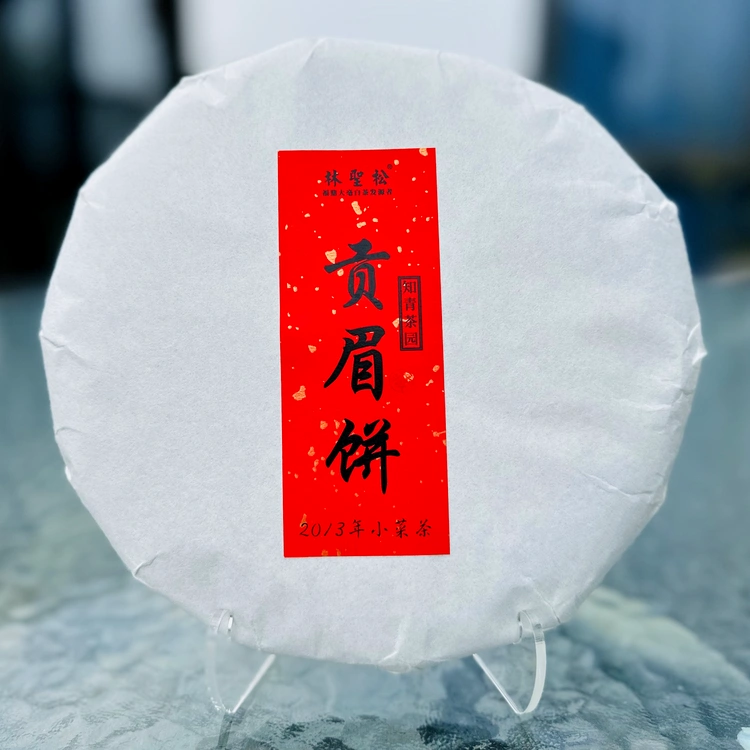
Where it comes from
Gongmei has its deepest roots in Jianyang, where the old Caicha (local mixed-variety) bushes still supply much of the leaf. Fuding and Zhenghe also make it, using Fuding Dahao and other cultivars. The word “gong” recalls the tribute teas once sent to court, and “mei” describes the eyebrow-like curl of the dried leaf. The name flatters the leaf, but the tea justifies the ambition when it comes from decent material.
How it is made
Gongmei follows the same wither-and-dry logic as the finer grades but on a bigger, tougher leaf. Because the leaf is larger, drying takes longer and the maker has more room for error. Done well, you get a tea with visible character; done carelessly, it turns rough and bitter. This is where buying from a house that cares about material shows up in the cup, more than in any other white grade.
What the vintage tells you
Fresh Gongmei is cheerful and a little rustic. Its real talent is aging: mature leaf and stems hold up for years, and pressed Gongmei cakes from around a decade old develop a dark, honeyed, almost medicinal sweetness. A 2013 or older cake is a completely different drink from the same leaf bought new, and often a fraction of the price of aged Silver Needle. Gongmei is the best value entry into aged white tea on most shops' shelves.
How to brew it
Give it a bit more leaf and heat than the fine grades: 5 grams per 150 ml at 90–95°C works well. Rinse the cake or leaf once if you like, then steep fifteen seconds and lengthen gradually. Young Gongmei is best with slightly cooler water to avoid bitterness; aged cake Gongmei can take near-boiling water happily.


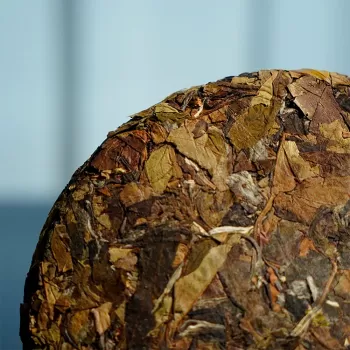
2013 Gong Mei White Tea Cake
2013 Gong Mei White Tea Cake: A Thirteen-Year Aged Fuding Classic Pressed in 2013 and aged for more than a decade in Fuding, Fujian, this Gong Mei cake is a faithful example of how the Tribute Eyebrow grade develops character over time. Gong Mei leaves are larger and carry more stem than Silver Needle or White Peony, which gives this tea a richer ..


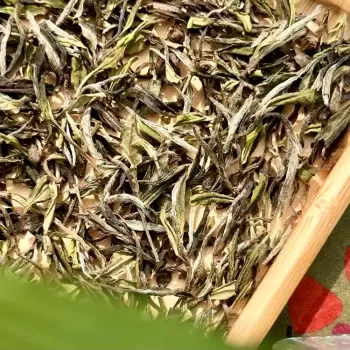
2017 GongMei Supreme White Tea
2017 GongMei Supreme from Wuyang Mountain, Panxi – aged as loose leaf, not as a cakeMost aged Gong Mei you meet has been pressed into a cake. This one took the other road: it was kept as loose leaf, and that changes how seven years of aging taste. Harvested in 2017 from tea gardens on Wuyang Mountain in Panxi, Fuding, it sits at the higher-qu..


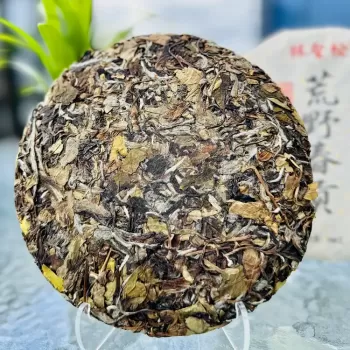
2018 GongMei White Tea Cake
2018 GongMei White Tea Cake: Wild-Garden Leaf at a Fair Price This cake was pressed in 2018 from leaves picked in an unmanaged, wild-grown tea garden in Xianpu Village, Puxi Town, Fuding. The tea trees there are roughly seventy years old and grow without irrigation or fertiliser, which gives the leaf a distinctive, slightly rustic character that ma..


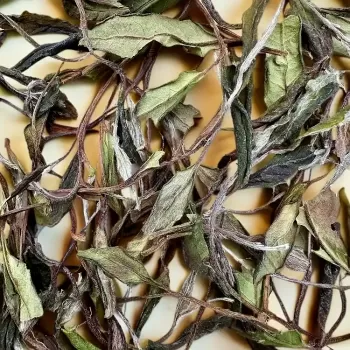
2024 Educated Youth Garden Tea Limited Production
2024 Educated Youth Garden Tea – 24 catties a year, then it is goneSome teas are defined by a mountain, some by a maker. This one is defined by a place and its history. The 2024 Educated Youth Garden Tea comes from a small Fuding garden planted decades ago by the educated youth who reclaimed wasteland and put tea in the ground by hand. Its 20..