
In daily life, we always rank the four major white teas. For Baihao Yinzhen, we always give it extremely high praise because of its scarcity. For Shoumei, because of its reputation, we also give it more attention. For tea cakes stored for ten years, we are especially fond of them because they carry ...
Blog & News
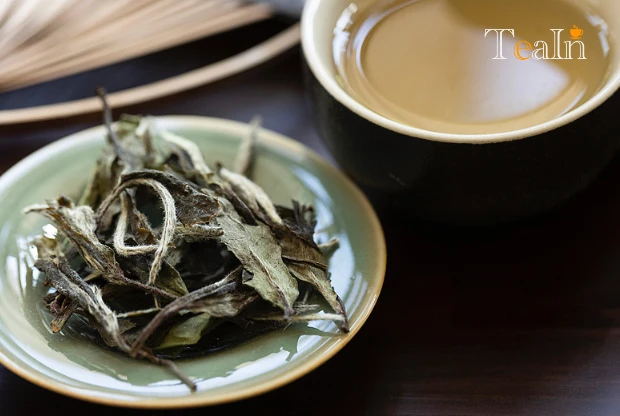
01 Oct
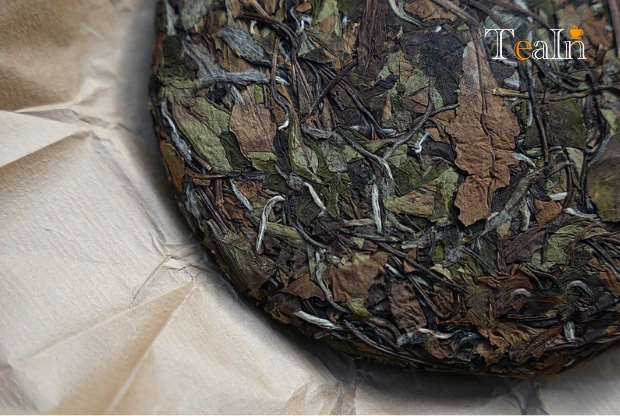
25 Sep
Fuding's white tea industry has a saying: One-year tea, three-year medicine, seven-year treasure. This saying sounds very much like marketing talk. But when you truly taste a properly stored 2013 aged white tea cake and a brew of newly picked loose tea from that year, only then do you understand th...
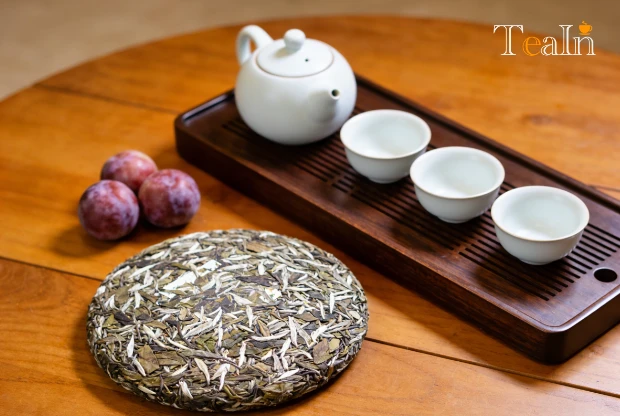
21 Sep
When we buy aged white tea, tea merchants sometimes open a bag of aged white tea and let you smell the aroma. Sometimes you will smell a trace of a sweet-and-sour note similar to green plums, or a scent like dried fruit that has been kept in a jar for a long time. They usually explain that this is p...
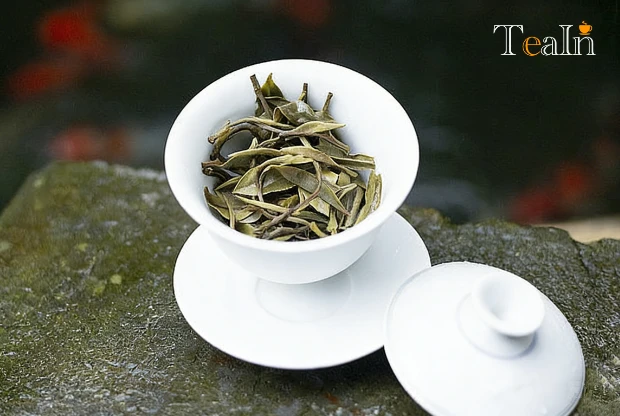
07 Sep
When it comes to China's hometown of white tea, most people will immediately think of Fuding. In fact, hidden among the mountains of northern Fujian is a low-key white tea producing area: Zhenghe. It is not so much in the spotlight, yet it quietly supports the largest white tea supply chain in China...

05 Sep
Customers often talk with me about the term "women's tea". This label is always attached to white tea, so much so that many people think it is just a marketing gimmick, another trick of selling tea in pink packaging. This term is not marketing copy concocted by an advertising agency; there is actual...

05 Sep
As a practitioner in the white tea e-commerce business, I often encounter some customers who stare at the price tag of new-harvest Silver Needle, pause for a moment, and then ask whether the cheaper tea next to it basically tastes no different from it. Or, some customers will pick up a cake of aged ...
04 Sep
Most people, when they open a pack of white tea for the first time, cannot help wondering, "Huh? That's it?" White tea is a type of tea with a relatively light flavor. Bai Hao Yin Zhen tastes soft and gentle, with a milky feel, and its floral aroma is deeply hidden in the tea liquor, not rushing out...

04 Sep
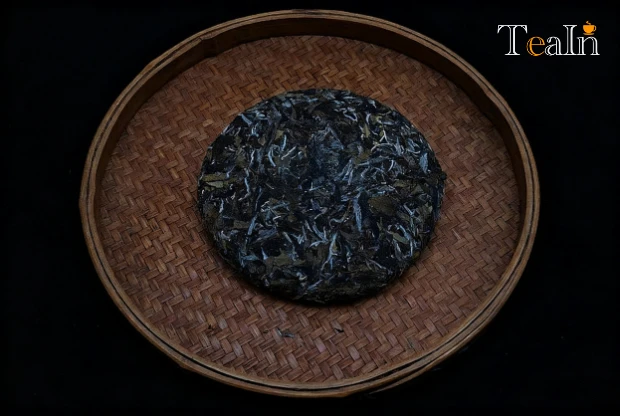
During festive visits or daily gift-giving, people often struggle with choosing the right present: fearing it may be flashy but useless, left to gather dust; worrying it lacks thought, seeming perfunctory; or fretting it won’t suit the recipient’s taste, wasting all the effort. Actually, there is on...
04 Sep
If we ask the tea friends around us, "What is the old white tea that you actually store for a long time at home?", most people will answer that it is Shoumei. Shoumei is different from Baihao Yinzhen; when you buy it as white tea for storage, you won't be so concerned about the price and appear over...
04 Sep
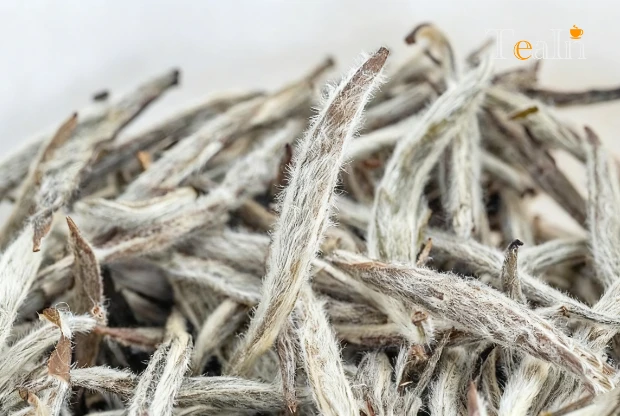
Silver Needle is the highest-priced category among the four grades of white tea. The raw materials for White Peony, Gongmei, and Shoumei all use tea leaves; only Silver Needle is different, as it uses only complete, unopened single tea buds. There are always tea enthusiasts who ask me why Silver Nee...