
A Guide to Aged White Tea Aromas: How Age Shapes Its Natural Flavors
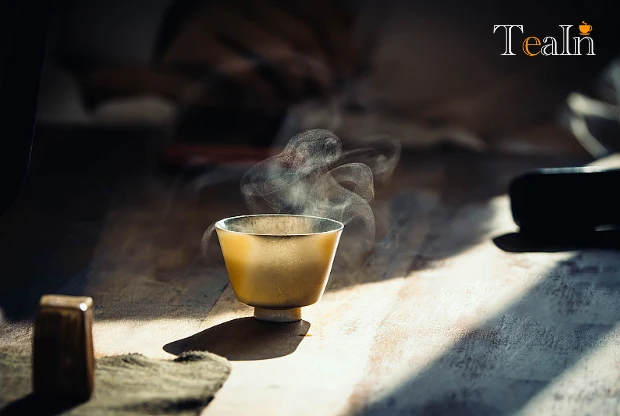
The unique charm of aged white tea largely stems from its aromas that evolve gradually over time. Different vintage aged white teas exhibit distinctly different flavor profiles. These aromas are not the result of artificial additives but the product of slow internal transformations in the tea leaves during natural aging, serving as key clues to judge the tea’s age and quality.
I. Natural Aging: The Core of Aged White Tea Aroma Evolution
Natural aging is the foundation for the formation of aged white tea’s aromas. White tea requires a stable storage environment—dry, dark, sealed, and at room temperature—to facilitate the gradual beneficial transformation of internal substances such as tea polyphenols, amino acids, and polysaccharides, with aromas evolving in layers. For 2 to 3-year-old aged white tea, the aroma retains a fresh quality, dominated by lotus leaf or bamboo leaf scents. This is because the tea still preserves some crisp characteristics of young tea, and volatile aromatic compounds have not yet fully transformed. As aging progresses, 5 to 6-year-old white tea develops its signature jujube aroma—a warm, sweet scent derived from the transformation of polysaccharides and amino acids in the tea, evoking the gentle sweetness of ripe red dates. When aged for 6 to 8 years or more, the jujube aroma gradually settles and evolves into a mellow medicinal aroma. Rich and lingering, this scent carries the warm notes of natural herbs, a unique gift bestowed by time on high-vintage aged white tea.
II. Artificial Accelerated Aging: Fake Aromas That Lack Depth
Not all aromas in aged white tea come from natural aging. To replicate the iconic aromas of high-vintage white tea, some merchants use methods like high temperature and humidity to accelerate the aging process. This artificially ripened white tea may exhibit a strong jujube aroma even at a young age, but the scent is often single-dimensional and intense, lacking the layered complexity of naturally aged tea. Additionally, its taste tends to be thin, lacking the warmth and richness of naturally aged tea. This practice, which goes against natural laws, damages the tea’s intrinsic quality, and its aroma cannot compare to that of naturally aged white tea.
III. Simple Identification: Distinguishing Natural vs. Artificial Aromas
To easily determine if an aged white tea’s aroma is natural, focus on two key points. First, check if the aroma matches the tea’s age. If a 2 to 3-year-old white tea has a strong jujube aroma, it is likely artificially aged. Second, assess the texture of the aroma. Naturally aged tea has a fresh or mellow scent with rich layers and no off-notes, while artificially ripened tea often has an abrupt aroma, possibly accompanied by sourness or a stuffy smell.
The evolution of aged white tea’s aroma is a joint product of time and nature. Each vintage’s aroma has its unique value—there is no need to blindly pursue the medicinal aroma of high-vintage tea. The fresh lotus leaf scent and warm jujube aroma are equally worthy of appreciation. Understanding the connection between age and aroma allows us to more intuitively experience the beauty of aged white tea’s transformation and better select teas that suit our preferences.
Summary
This article focuses on the aromas of aged white tea, core introducing the natural evolution of its scents with age: 2 to 3-year-old tea features lotus leaf or bamboo leaf aromas, 5 to 6-year-old tea develops jujube aroma, and tea aged 6 to 8 years or more may evolve into medicinal aroma. This evolution stems from the beneficial transformation of internal substances in the tea under optimal storage conditions. The article also notes that a strong jujube aroma in young aged white tea may indicate artificial accelerated aging, resulting in inferior aroma and taste compared to naturally aged tea. Finally, it provides simple identification tips to help readers distinguish between natural and artificially ripened aged white tea aromas, emphasizing that the charm of aged white tea’s aroma lies in the unique layers brought by natural aging.