
Can White Tea and Pu-erh Tea Be Stored Together? Key Differences & Proper Storage Guide
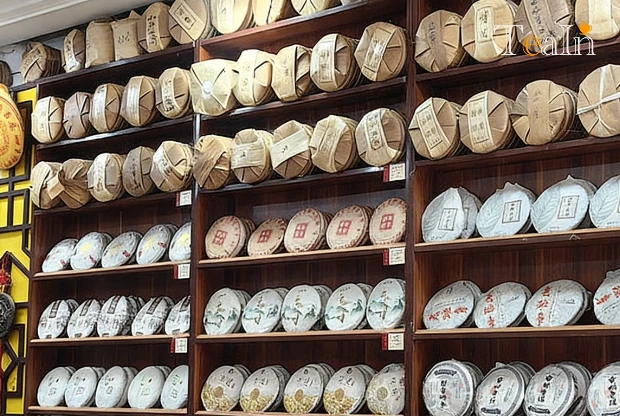
Many tea collectors own both white tea and Pu-erh tea but often wonder if they can be stored together. The answer is clear: storing white tea and Pu-erh tea together is not recommended. This is not a matter of personal preference but is determined by the production processes and aging principles of the two teas. Their storage requirements are inherently conflicting, and co-storage will directly damage their respective flavors and aging potential. Combining tea aging rules and practical experience, this article explains the core logic from four dimensions—core storage requirements, irreconcilable conflicts, proper storage methods, and common mistakes to avoid—helping tea lovers scientifically preserve their collections.
I. Core Storage Requirements for White Tea and Pu-erh Tea
The two teas follow entirely different aging paths, leading to "opposing" storage conditions, which is the fundamental reason they cannot be stored together.
1. Core Storage Requirements for White Tea: Sealed, Dry, and Light-Proof
White tea is a "lightly fermented tea" with no pile fermentation process. Its post-production aging relies on slow natural oxidation. Storage must meet four key conditions:
- Humidity: Maintain environmental humidity below 50%. Absolute dryness is critical to prevent dampness and mold.
- Sealing: Use airtight containers (purple clay jars, aluminum foil bags, food-grade sealed bags) to isolate air, allowing only minimal air circulation. This prevents excessive oxidation and flavor loss.
- Light-Proof: Avoid direct sunlight to prevent photo-oxidation from damaging active substances in the tea, which would weaken aroma and degrade taste.
- Odor-Free: Tea has strong absorbency, so it must be kept away from odor sources like kitchens and perfumes to maintain a pure storage environment.
2. Core Storage Requirements for Pu-erh Tea: Ventilated, Temperature-Humidity Controlled
Pu-erh tea is a "post-fermented tea." Its pile fermentation process introduces beneficial microbial colonies, and subsequent aging depends on the continuous activity of these microbes. Storage must meet three key conditions:
- Humidity: Keep environmental humidity between 60%-70%. Moderate moisture activates microbial activity, promoting flavor transformation.
- Ventilation: Ensure air circulation (e.g., leaving vents in specialized tea cabinets). A sealed environment can cause microbial imbalance, leading to mold or sour odors.
- Temperature: Maintain a constant temperature of 20-25℃. Large temperature fluctuations disrupt fermentation stability, resulting in muddled flavors.
- Odor-Free: Like white tea, it must be kept away from odors, but strict sealing is unnecessary—ventilation is the core prerequisite.
II. Key Reasons for Non-Co-Storage: Irreconcilable Conflicts
The storage needs of white tea and Pu-erh tea are fundamentally contradictory. Co-storage poses dual risks that directly undermine the value of the teas.
1. Temperature and Humidity Conflicts: One or Both Teas Suffer
- If stored according to white tea’s "dry and sealed" standards, Pu-erh tea will lack sufficient humidity and air circulation. Fermentation will stall, and aging will fall into dormancy, failing to develop mellow aged aromas, resulting in a bland final flavor.
- If stored according to Pu-erh tea’s "moist and ventilated" standards, white tea will absorb excess moisture and come into contact with too much air. It will quickly become damp and moldy or undergo excessive oxidation, leading to cloudy, bitter tea liquor that completely loses drinking value.
2. Cross-Contamination Risk: Mutual Flavor Pollution
Tea’s porous structure gives it strong absorbency, and white tea and Pu-erh tea have entirely different aroma profiles:
- White tea gradually develops jujube, medicinal, and woody notes during aging, offering a fresh and warm flavor.
- Pu-erh tea’s aging produces dominant aromas of aged tea, wood, and microbial fermentation, delivering a rich and robust flavor.
During co-storage, these aromas will permeate each other, causing cross-contamination: White tea will absorb Pu-erh’s heavy microbial scent, losing its purity. Pu-erh will pick up white tea’s sweet notes, disrupting its unique fermented flavor. Eventually, both teas will become low-quality products with muddled flavors.
III. Proper Storage Methods for Each: Targeted Preservation
Following the principle of "classified storage," choosing exclusive methods based on each tea’s characteristics is essential to maximize their aging potential.
1. Proper Storage Method for White Tea
- Container Selection: Store whole tea cakes in purple clay jars or thick aluminum foil bags, squeezing out air before sealing. Divide pried flake tea into small sealed bags, then place them in a large purple clay jar for easy access and reduced air exposure.
- Environmental Requirements: Place in a dry, well-ventilated, light-proof cabinet or storage room. Keep away from humid areas like humidifiers, kitchens, and bathrooms. Maintain a temperature of 15-20℃.
- Notes: Avoid opening the container frequently; reseal immediately after taking tea. If environmental humidity is high, place a small amount of desiccant (e.g., silica gel wrapped in gauze to avoid direct contact with tea) inside the container.
2. Proper Storage Method for Pu-erh Tea
- Container Selection: Prefer purple clay jars or specialized Pu-erh ventilated cabinets. No need for full sealing—leave gaps at the jar mouth or cabinet door to ensure air circulation. Avoid airtight plastic bags, which block ventilation and lead to fermentation failure.
- Environmental Requirements: Store in a constant temperature (20-25℃), constant humidity (60%-70%), and well-ventilated environment. Place a hygrometer in the storage area for monitoring. Keep away from direct sunlight and odor sources.
- Notes: Regularly inspect the surface of tea cakes. White frost (a normal fermentation byproduct) requires no treatment, but black mold or stickiness indicates dampness—immediately air-dry the tea. Avoid placing near air conditioning vents or heaters; temperature fluctuations disrupt microbial balance.
IV. Common Storage Mistakes to Avoid
Many tea lovers damage their collections due to overlooked details. Focus on avoiding these mistakes:
1. Mistake 1: Simply Placing Them Separately in the Same Cabinet
Even if the two teas are placed in different corners of the same cabinet, risks remain. The cabinet’s temperature and humidity are uniform—either meeting Pu-erh’s moisture needs (damaging white tea) or white tea’s dryness needs (halting Pu-erh’s aging). Additionally, air circulation within the cabinet accelerates flavor cross-contamination.
2. Mistake 2: Using Sealed Boxes to Prevent Cross-Contamination
While sealed boxes block some odors, they cannot resolve temperature and humidity conflicts. If the cabinet is ventilated to meet Pu-erh’s needs, white tea inside the sealed box will still be affected by external humid air. If the cabinet is sealed, Pu-erh will stop fermenting due to lack of oxygen.
3. Mistake 3: Short-Term Co-Storage Has No Impact
Even short-term co-storage (1-3 months) causes flavor cross-contamination. Tea’s absorbency is immediate, and long-term accumulation leads to irreversible flavor damage. High-value aged white tea and Pu-erh, in particular, require strict separate storage.
Summary
This article explores whether white tea and Pu-erh tea can be stored together. The key conclusions are as follows: The two teas cannot be co-stored due to inherently conflicting storage requirements. White tea requires a sealed, dry environment (humidity below 50%), while Pu-erh tea needs ventilation and moderate moisture (humidity 60%-70%). Co-storage causes temperature-humidity imbalance and flavor cross-contamination. Proper storage requires classified preservation: white tea should be stored in airtight containers in a dry, light-proof environment, while Pu-erh tea needs ventilated containers in a temperature-humidity controlled space. Avoid common mistakes like separate storage in the same cabinet or using sealed boxes for isolation. Scientific classified storage is the key to preserving the aging potential and flavor purity of both white tea and Pu-erh tea, allowing them to appreciate in value over time.