
Can You Drink Overnight Tea? A Scientific Explanation and Practical Tips
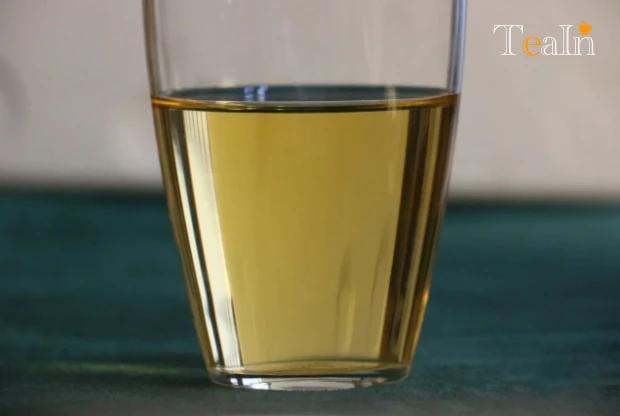
Drinking tea is a daily habit for many, but the claim that "overnight tea can't be drunk" has long circulated—some worry it contains nitrites that cause cancer, while others think leaving it overnight must make it unhygienic. Can you actually drink overnight tea? The key is to separate myths from real risks, then judge based on storage methods and your own health, without unnecessary panic or ignoring health details.
First, we need to debunk the myth that "overnight tea causes cancer," which centers on nitrites. Tea naturally contains small amounts of nitrates due to soil and nitrogen fertilizers, and these may convert to nitrites under bacterial action. However, experimental data shows that nitrite levels in overnight tea are extremely low—usually 0.02-0.2 mg/L, far below the 1 mg/L limit in China’s Drinking Water Sanitation Standard, and even lower than the strict safety requirement for baby rice cereal (≤2 mg/kg). For comparison, a sausage contains about 20-30 mg/kg of nitrites, hundreds of times more than overnight tea. Based on the daily safe intake for adults, you would need to drink over 210 liters of overnight tea at once to reach a toxic dose, so the claim that "nitrites in overnight tea cause cancer" lacks scientific basis.
The real risks of overnight tea mainly come from microbial growth and nutrient changes. On one hand, tea contains nutrients like proteins and sugars. If left at room temperature (especially in 20-30℃ warm environments), bacteria and dust in the air will fall into the tea, multiplying rapidly in a short time. Mold may also grow in high-humidity conditions, and drinking such tea may cause gastrointestinal discomfort, such as abdominal pain and diarrhea, with higher risks for people with low immunity. On the other hand, vitamin C in tea oxidizes and breaks down over time, and the activity of tea polyphenols decreases, reducing its nutritional value. Meanwhile, the tea’s aroma fades, leaving it bitter, astringent, and turbid—losing the fresh taste of newly brewed tea.
To handle overnight tea safely, pay attention to both storage and consumption. For storage, seal the brewed tea as soon as possible, put it in the refrigerator (below 5℃), and drink it within 24 hours; reheat it slightly before drinking to further reduce microbial risks. For consumption, healthy adults can occasionally drink properly refrigerated overnight tea without serious issues, as long as there is no odor or turbidity. However, children, the elderly, people with gastrointestinal diseases (such as gastritis or gastric ulcers) or liver diseases should avoid it, as their digestive systems or detoxification abilities are weaker. Those with low immunity are also advised to choose fresh tea instead.
Even if overnight tea is not suitable for drinking, it doesn’t need to be wasted—it has many practical uses thanks to its physical and chemical properties. For example, gargling with overnight tea can freshen breath (using its essential oil components) and prevent gingivitis (with fluoride). For minor oral or skin bleeding, dabbing with overnight tea can help stop bleeding. If your eyes have red veins, washing them with slightly cool overnight tea can soothe irritation, thanks to the anti-inflammatory effects of tea polyphenols. Additionally, overnight tea can be used to water plants (providing trace elements like potassium and calcium), clean kitchenware (removing oil stains), or wipe wooden furniture (reducing paint odors)—maximizing the value of tea leaves.
In summary, overnight tea does not cause cancer, and properly stored refrigerated overnight tea has little impact on healthy adults. However, freshly brewed tea is superior in nutrition, taste, and safety. Prioritize drinking fresh tea; if you have overnight tea, first check for signs of spoilage (odor, turbidity), then decide based on your health.
Summary
This article addresses the core question "Can you drink overnight tea?" It first debunks the myth that overnight tea causes cancer, using experimental data to show that its nitrite levels are far below safety standards, eliminating concerns about cancer risks. It then identifies the real risks of overnight tea: microbial growth at room temperature (which may cause gastrointestinal discomfort) and the loss of nutrients (vitamin C and tea polyphenols). Practical advice is provided, including sealed refrigeration for storage and drinking taboos for different groups. Finally, it introduces multiple uses for overnight tea, emphasizing that fresh tea is best and whether to drink overnight tea depends on storage conditions and personal health.