
Can You Drink Unopened Expired Tea? Practical Judgment and Disposal Guide
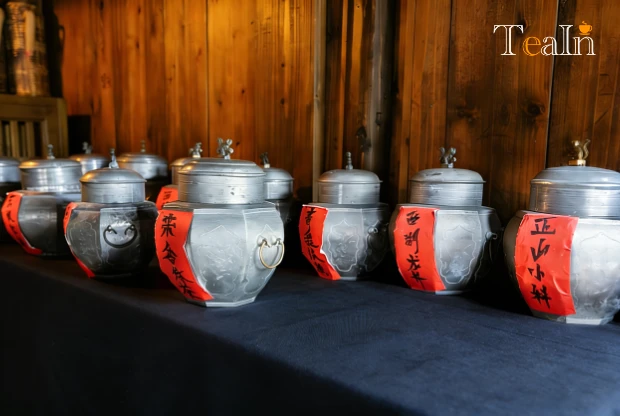
Many people feel torn when finding unopened but expired tea while organizing cabinets. They worry about health risks if they drink it, yet hate to waste it. Actually, whether tea is safe to consume depends not on whether the expiration date has passed, but on its storage conditions and whether it has spoiled. The expiration date is merely the manufacturer’s suggested best drinking period, not an absolute line indicating spoilage. Below is a detailed breakdown of how to judge, handle, and make the most of unopened expired tea.
I. Shelf Life and Aging Characteristics of Different Tea Types
Tea’s shelf life varies greatly, mainly determined by its fermentation level and production process. This is a key prerequisite for judging if expired tea is drinkable.
1. Non-Fermented/Lightly Fermented Tea: Drink Fresh, Prone to Losing Freshness When Expired
Green tea and yellow tea are non-fermented or lightly fermented. Their core appeal lies in fresh, crisp aroma, with a shelf life typically 12–18 months. Rich in vitamins and amino acids, long-term storage causes oxidation—leaves turn yellow, aroma fades, and even unopened, expired tea loses its original flavor and nutrients, becoming tasteless.
Storage tip: Seal tightly and refrigerate or freeze to slow oxidation. Consume within the shelf life.
2. Mildly Fermented/Post-Fermented Tea: Improves with Age, No Strict Expiration
White tea (mildly fermented) and dark tea (post-fermented, such as Pu-erh and aged tea buds) are classic "age-worthy" teas. White tea follows the saying "One year as tea, three years as a tonic, seven years as a treasure." Properly stored, its flavor transforms over time, developing rich aromas like jujube and herbal notes. Dark tea can age long-term in suitable conditions, improving in quality year by year. It has no fixed expiration date but an optimal drinking window (usually 5–15 years).
Storage tip: Keep sealed, dry, dark, and at room temperature with no odors. Check regularly for moisture.
3. Semi-Fermented Tea: Shelf Life Varies by Process
Oolong tea (semi-fermented) has different shelf lives: fragrance-type Oolong like Tieguanyin lasts 1–2 years; roasted or dark fragrance-type Oolong, with lower moisture content, can be stored for about 3 years. Expired Oolong’s most noticeable change is fading aroma, resulting in a flat taste, but it’s still drinkable if not spoiled.
Storage tip: Seal and store at room temperature, away from humidity.
4. Fully Fermented Tea: Longer Shelf Life, Taste Declines When Expired
Black tea (fully fermented) has a shelf life of 2–3 years. Due to complete fermentation, it’s stable. Unopened and properly stored, expired black tea rarely spoils but loses its sweet aroma and rich liquor texture.
Storage tip: Seal and place in a cool, dry area to avoid odor absorption.
5. Re-Processed Tea: Short Shelf Life, Prone to Moisture and Spoilage
Scented tea (e.g., jasmine tea) is re-processed, with a shelf life of 1–2 years. Its core value lies in floral aroma, which fades quickly after expiration. The tea also easily absorbs moisture and molds, requiring careful storage.
Storage tip: Seal and refrigerate to reduce aroma loss and moisture risk.
II. Is Unopened Expired Tea Safe to Drink? Three Steps to Judge Spoilage
Unopened packaging doesn’t guarantee tea quality. After expiration, use the "look, smell, taste" method to determine if it’s spoiled—this is the key to safety.
1. Look: Check Dry Tea Condition and Appearance
Normal tea: Uniform color, no obvious discoloration, intact leaves, no mold spots, white mycelium, or insect damage.
Spoilage signs: Green tea turns yellow/dark, black tea turns gray, Oolong clumps; mold spots or white fuzz on leaves; insects or eggs inside packaging. Spoiled tea is undrinkable.
2. Smell: Identify Tea Aroma and Off-Odors
Normal tea: Emits clear, natural aroma—freshness for green tea, sweetness for black tea, aged scent for white tea, etc.
Spoilage signs: Musty, sour, rotten, or other strange odors indicate contamination or moisture-induced fermentation. Discard immediately.
3. Taste: Brew and Evaluate Liquor and Flavor
Normal tea: Brewed liquor is clear and transparent, no turbidity or sediment; taste is pure, matching the tea’s inherent flavor with no odd aftertastes.
Spoilage signs: Turbid, layered, or sediment-filled liquor; sour, bitter, astringent, or moldy taste. Stop drinking even after one sip.
III. How to Handle Unopened Expired Tea
Handle expired tea based on whether it’s spoiled—prioritize health while avoiding waste.
1. Safe to Drink: Consume Soon, Don’t Store Long-Term
If tea is unspoiled but has slightly declined in taste due to expiration:
Drink it as soon as possible to prevent further quality loss.
Adjust brewing methods if needed: Use less tea or shorten steeping time to improve taste.
2. Undrinkable: Discard Resolutely,Don’t Risk Health
If tea shows mold, off-odors, or turbid liquor, discard it immediately. Spoiled tea may contain harmful substances like aflatoxins, which damage liver health. Health is more important than saving tea.
IV. Practical Tips to Extend Tea’s Shelf Life: Avoid Expiration from the Start
Reducing tea waste requires scientific storage and reasonable purchasing—often overlooked by tea lovers.
1. Store by Tea Type
Freshness-dependent teas (green, yellow, scented): Seal and refrigerate (0–5℃), avoid odor absorption from food; add desiccants to packaging for extra moisture protection.
Age-worthy teas (white, dark): Seal in ceramic jars, purple clay pots, or aluminum foil bags. Store in a dry, ventilated, dark room at room temperature. Check humidity regularly (ideal 50%–60%).
Regular storage teas (black, Oolong): Seal and place in a cool, dry area, away from humid, odorous spaces like kitchens or bathrooms.
2. Buy in Reasonable Quantities
Purchase based on your drinking frequency to avoid overstocking. For daily drinkers (1 cup/day), choose small packages (50–100g) to finish within the shelf life. For collectors of white or dark tea, buy in batches according to annual needs to prevent improper long-term storage.
3. Choose Suitable Storage Containers
Prioritize airtight containers like ceramic jars, dark glass jars (lightproof), or food-grade aluminum foil bags. Avoid plastic jars, which absorb odors and have poor sealing. Clean and fully dry containers before use to remove residual moisture.
V. Eco-Friendly Uses for Spoiled Expired Tea: Make the Most of It
Even spoiled, undrinkable tea doesn’t need to be thrown away. It has practical, eco-friendly uses:
1. Odor Removal
Place in refrigerators, shoe cabinets, wardrobes, or cars to absorb odors. Replace every 1–2 weeks for best results.
Crush and put in sachets as natural potpourri, releasing a subtle tea scent.
2. Cleaning
Use dry tea to wipe greasy tableware, stovetops, or wooden furniture. Tea polyphenols break down oil without chemical residues.
Clean glass or mirrors with brewed tea to remove water stains and smudges, leaving surfaces shiny.
3. Gardening
Seal spoiled tea in a bag and ferment for 1–2 months. Use as organic fertilizer for flowers and plants—rich in nitrogen, phosphorus, and potassium to promote growth.
Spread directly on potted soil surfaces to suppress weeds and retain moisture.
4. Daily Care
Boil tea for foot soaks to relieve fatigue and soften cuticles. Dry and bag tea leaves for natural foot soak sachets.
Apply brewed tea leaves to mosquito bites to soothe itching and reduce swelling, suitable for sensitive skin.
VI. Conclusion
Unopened expired tea doesn’t need to be discarded blindly or consumed casually. The core criterion is "whether it’s spoiled," not just the expiration date. The "look, smell, taste" method quickly identifies spoilage—drink unspoiled tea soon and discard spoiled tea without hesitation. Mastering tea-specific storage and buying wisely reduces waste. Even undrinkable tea can be repurposed, ensuring every batch of tea fulfills its maximum value.
Summary
This article addresses the question "Can you drink unopened expired tea?" providing guidance on judging safety, handling methods, and practical tips. It first explains the shelf life and aging characteristics of different tea types, clarifying that expiration date is a best-drinking period rather than a spoilage threshold. Next, it details the "look, smell, taste" method to identify spoiled tea. Then it offers targeted handling suggestions: consume unspoiled tea promptly and discard spoiled tea. Additional tips cover extending shelf life through proper storage and reasonable purchasing. Finally, it shares eco-friendly uses for spoiled tea. The article emphasizes that scientific judgment and correct storage are key to avoiding waste and ensuring safe consumption, making it a useful guide for daily tea drinkers.