



2024 Educated Youth Garden Tea Limited Production
- OriginFuding, Fujian · Educated Youth Garden
- Vintage2024
- GradeLimited Production (24 catties)
- Add to wishlist
- Add to compare
Product Description
2024 Educated Youth Garden Tea – 24 catties a year, then it is gone
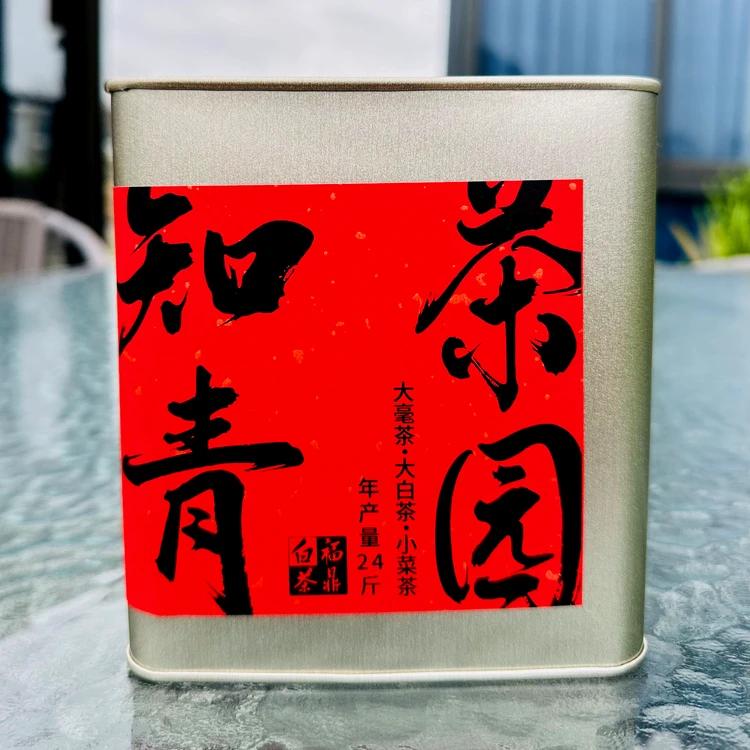
Some teas are defined by a mountain, some by a maker. This one is defined by a place and its history. The 2024 Educated Youth Garden Tea comes from a small Fuding garden planted decades ago by the educated youth who reclaimed wasteland and put tea in the ground by hand. Its 2024 output is only about 24 catties (12 kg) in total – and once a year's stock is gone, it is gone for good. This is not a tea you can reorder from a warehouse; each harvest is a single dated batch that will never be repeated.
The garden behind the name
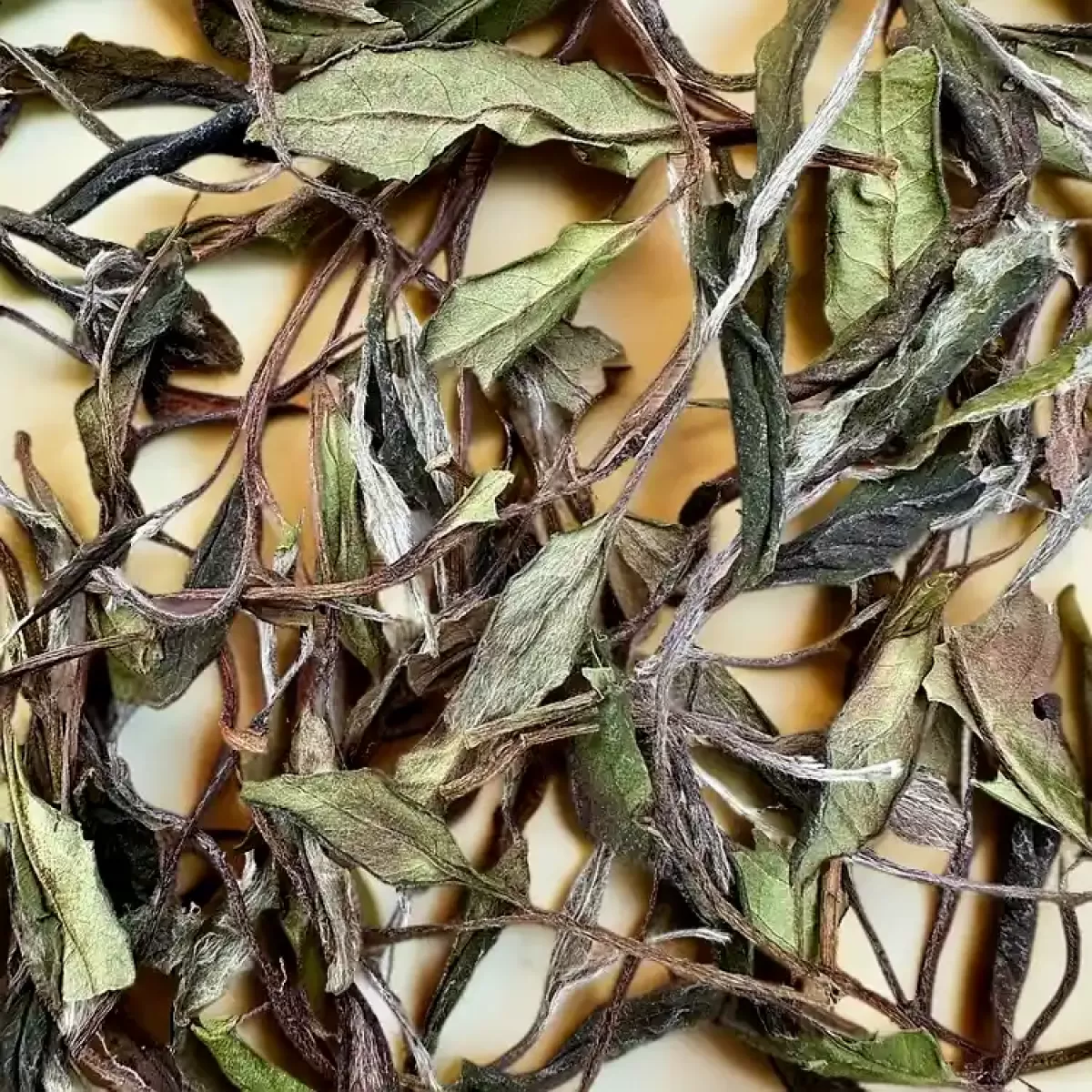
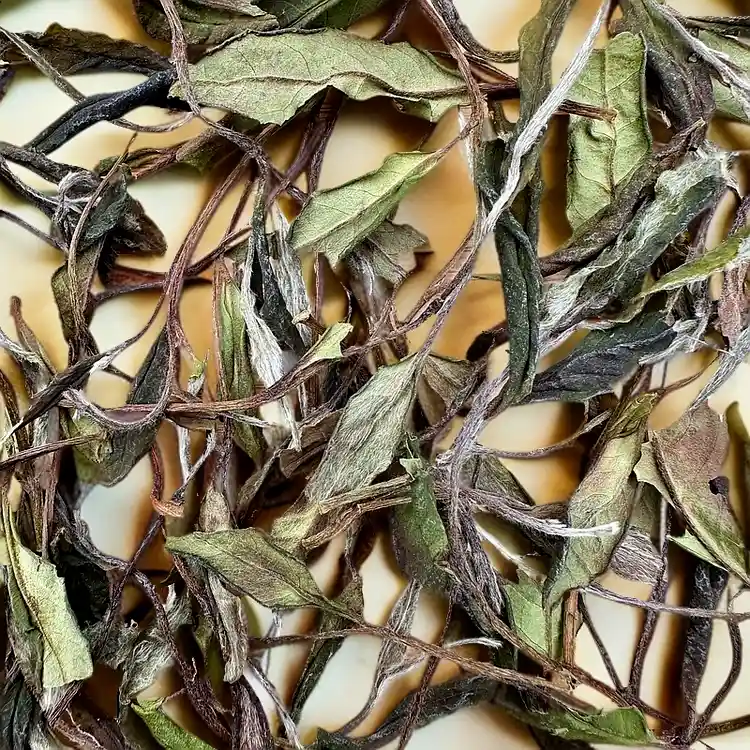
The name is literal: the tea trees were planted by educated youth who reclaimed wasteland here decades ago, and their long-term care left the garden with well-preserved ecology – a mild climate, lingering mists, and nutrient-rich, highly permeable soil. Grown with natural methods over the years, the trees produce plump, tender buds densely covered with white down.
Because the garden is small and the early-spring picking window is short, the daily harvest is modest. The buds are gathered at their fullest, and because the trees have been tended by hand over the years, the leaves carry an evenness that only patient, low-input farming produces. It is the kind of place where the yield is set by the garden itself, not by demand.
Varieties and craft
Fresh leaves come from Fuding Dahao, Dabai and Xiaocai varieties, processed with traditional white tea techniques. In practice that means a long, gentle withering followed by a slow drying stage – the aim is to draw moisture out of the leaf without heating it hard, so the white down stays intact and the sugars and amino acids that carry the sweet, fresh character are preserved. Nothing is added during processing; the finished tea relies entirely on the quality of the leaf and the care taken at each step.

Flavour profile
Brewed, the tea soup is clear and transparent, with a light, bright tone in the cup. The aroma is fresh, mixing floral and fruity notes: a soft floral top note, a hint of ripe fruit through the middle, and a clean, downy sweetness underneath. The taste is fresh, mellow and sweet, with rich, balanced layers that hold up across infusions.
The earliest cups are the brightest, the later ones grow softer and fuller, and the sweetness lingers cleanly at the back of the throat. Because the buds carry heavy down, the liquor has a gentle, velvety texture that becomes more noticeable from the second steeping onward.
Brewing guide
This tea is forgiving, but a little care brings out the layers. With a gaiwan, use about 3 g of leaf per 100 ml of water at 85–90°C; pour off the first steeping after roughly 10–15 seconds, then add a few seconds for each round after. In a thermos or covered cup, use a smaller dose of around 2 g per 300 ml, steep for 3–4 minutes, and top up with hot water as you drink. If you want a stronger brew, raise the leaf amount rather than the temperature; keeping the water below a hard boil protects the fresh, fruity notes. Simmering suits older white tea, not this fresh, delicate one. The leaf remains expressive for six or more infusions.

A limited production for drinking and collecting
With annual output limited to roughly 24 catties, the tea combines everyday drinking appeal with collector value. Drink it now for its fresh, bright spring character, or store it sealed in a cool, dry, odour-free place to support slow aging; over time, white tea from a well-kept garden turns mellow, and the fruity sweetness deepens into a honeyed tone. Because the quantity is so small, a year's stock is gone quickly, which makes the 50 g and 100 g packages worth buying with an eye to the future. It also makes a thoughtful gift for drinkers who appreciate rare, small-batch white tea from a named garden.