
Do You Need to Choose a Good Production Area for Fuding White Tea? Key Quality Factors Explained
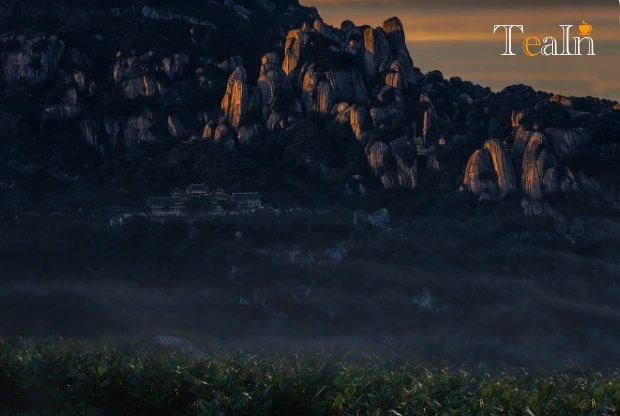
When purchasing Fuding white tea, "production area" is often a core focus for tea lovers. Some even hold the "production area-only theory," believing only white tea from core areas is worth buying. Undeniably, high-quality production areas lay a solid foundation for tea quality, but a tea’s final taste and value are not determined by the production area alone. The quality of Fuding white tea is the result of multiple factors—raw materials, environment, craftsmanship, and storage. Combining the characteristics of Fuding white tea’s production areas and industry realities, this article explains the core logic from three dimensions: advantages of high-quality production areas, key non-area factors, and practical buying advice. It helps tea lovers break free from the single-area misconception and choose tea scientifically.
I. Core Advantages of High-Quality Production Areas: An Important Foundation for Quality
High-quality production areas are valued because their unique natural environments provide optimal conditions for tea tree growth, serving as a "natural guarantee" for high-quality white tea.
1. Inherent Adaptability of the Natural Environment
Fuding’s core production areas (such as Taimu Mountain, Panxi, and Guanyang) boast unique ecological advantages. Most are located at elevations of 500-1000 meters, with large day-night temperature differences that facilitate the accumulation of flavor substances like amino acids and soluble sugars in tea trees. Perennial misty conditions and soft sunlight reduce excessive synthesis of tea polyphenols, resulting in a sweeter tea liquor. The soil is mostly acidic red or yellow soil, rich in minerals and well-drained, preventing root rot in tea trees.
Take Taimu Mountain as an example. Its year-round humid climate and deep humus soil produce tea buds that are plump and covered in dense white down. The resulting white tea offers a more prominent fresh taste and layered aroma. Panxi’s high-humidity environment enhances the aging potential of white tea, making it suitable for long-term collection.
2. Acquired Support from Regional Standards
Tea farmers in core production areas mostly adhere to traditional planting and production concepts, implementing refined tea garden management. They generally control tea tree density, avoid over-harvesting, and rarely use chemical fertilizers or pesticides. Instead, they prioritize manual weeding and natural pest control to ensure the purity of tea leaves.
Meanwhile, the inheritance of tea-making craftsmanship in core areas is more complete. Tea enterprises exercise stricter control over key links like withering and drying, maximizing the potential flavor of tea leaves and fully translating regional advantages into quality advantages.
3. Stability and Recognizability of Flavor
White tea from high-quality production areas has formed distinct "regional styles." Taimu Mountain white tea leans toward fresh floral notes, Panxi white tea toward mellow warmth, and Guanyang white tea toward bright sweetness. These stable flavor characteristics allow tea lovers to quickly identify and find products that match their taste, reducing trial-and-error costs.
II. Beyond Production Areas: Key Factors Determining White Tea Quality
Relying solely on the production area cannot guarantee high quality. White tea within the same production area can vary significantly in quality, mainly due to the following four non-area factors.
1. Microenvironmental Differences Within Production Areas
Even in core production areas, microenvironmental variations between different mountain slopes and plots affect tea quality. For example, within the Taimu Mountain range, tea trees on sunny slopes receive ample sunlight, resulting in richer aromas. Those on shaded slopes have higher humidity, leading to a softer taste.
Additionally, details like the tea garden’s elevation, slope, and distance from water sources all alter the ratio of internal substances in tea leaves. Some tea leaves from remote mountain slopes may even surpass those from ordinary gardens in core areas due to purer ecology.
2. Tea Garden Management Methods
Tea garden management is central to raw material quality. Organically managed gardens (no chemical fertilizers or pesticides) produce tea leaves with higher amino acid content and a purer taste. In contrast, extensively managed gardens may have off-tastes or strong bitterness due to pesticide residues or insufficient nutrients.
Tree age also matters. Old tea trees have deeper root systems that absorb more soil nutrients, resulting in white tea with a richer flavor and better infusion durability—regardless of whether they are in a core production area.
3. The Core Role of Production Craftsmanship
Even the finest tea leaves cannot become high-quality tea without exquisite craftsmanship. Fuding white tea’s "no pan-frying, no rolling" process may seem simple, but it demands strict control over withering and drying.
White tea processed through traditional natural withering offers more layered aromas and stronger aging potential. Mechanically withered white tea, while consistent in quality, is slightly less complex in flavor. Excessively high temperatures during drying damage tea leaf activity, leading to bland aromas. Incomplete drying makes the tea prone to dampness and mold, directly compromising quality.
4. The Long-Term Impact of Storage Conditions
White tea is an "ageable" tea, and storage conditions directly determine its long-term transformation. Even high-quality white tea from core areas can develop mold, absorb odors, or lose flavor if stored in humid, odorous, or sunny environments.
Conversely, high-quality white tea from ordinary areas, when stored properly in dry, well-ventilated, dark, and odorless conditions, can improve in flavor year by year—even surpassing improperly stored white tea from core areas.
III. Buying Advice: Beyond Production Areas, Comprehensive Decision-Making
When choosing Fuding white tea, treat the production area as an important reference rather than the sole criterion. Make a comprehensive judgment based on your needs, taste preferences, and budget.
1. Prioritize the Production Area When
- You have long-term collection plans: High-quality white tea from core areas has stronger aging potential and greater flavor improvement space, making it the preferred choice for collection.
- You pursue unique regional styles: If you prefer distinct flavors like freshness or mellow warmth, you can target tea from core areas such as Taimu Mountain or Panxi.
- You have a sufficient budget: White tea from core areas is more expensive due to higher raw material and craftsmanship costs, suitable for tea lovers willing to pay a premium for quality.
2. No Need to Obsess Over the Production Area When
- You drink tea frequently daily: Prioritize cost-effectiveness and only need sweet, smooth daily tea. High-quality white tea from ordinary areas (with standardized management and qualified craftsmanship) can fully meet your needs.
- You prefer a specific taste: If you like a light, gentle taste, young tea trees from ordinary areas may be more suitable. If you enjoy a rich, wild flavor, old tea trees from non-core areas might be a better choice.
- You have a limited budget: White tea from ordinary areas is more affordable. Some tea enterprises with mature craftsmanship offer stable quality, making it a cost-effective option for daily consumption.
3. Practical Buying Tips
- Prioritize tasting: Regardless of the production area, always sample the tea first. Focus on the purity of the tea liquor, layered aromas, and long-lasting sweet aftertaste—rather than just the production area label.
- Ask for details: Inquire about the tea garden’s management methods (organic or not), production craftsmanship (natural or mechanical withering), and storage conditions. This information better reflects quality than the production area name.
- Observe the tea itself: High-quality white tea has consistent characteristics regardless of the production area. Dry tea should have tight strips, uniform white down, and no off-tastes. The tea liquor should be clear and translucent with a smooth, non-astringent taste. Infused leaves should be soft and resilient.
Summary
This article explores whether to choose a good production area for Fuding white tea. The key conclusions are as follows: High-quality production areas (such as Taimu Mountain and Panxi) serve as an important foundation for high-quality white tea, thanks to their unique natural environments, standardized management, and stable flavors. They are suitable for tea lovers with collection needs or those pursuing unique styles. However, the production area is not the sole determinant of quality. Microenvironmental differences within the same area, tea garden management, production craftsmanship, and storage conditions all play crucial roles. For daily drinking or limited budgets, high-quality white tea from ordinary areas (with standardized management and qualified craftsmanship) can also meet needs. When buying, break free from the "production area-only theory," focus on tasting experiences, and make comprehensive judgments based on details like tea garden management, craftsmanship, and storage to select cost-effective tea that suits you.