
Does Fuding white tea have plum aroma?
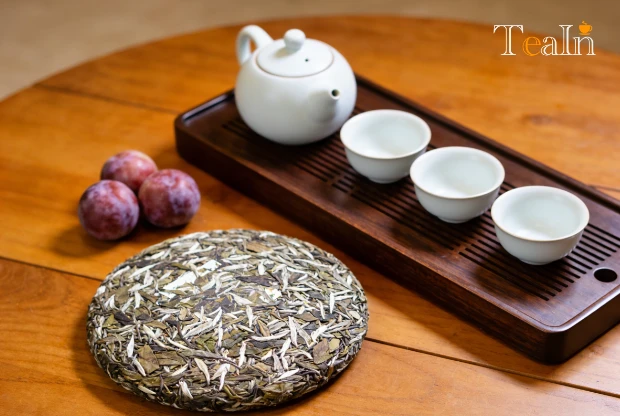
When we buy aged white tea, tea merchants sometimes open a bag of aged white tea and let you smell the aroma. Sometimes you will smell a trace of a sweet-and-sour note similar to green plums, or a scent like dried fruit that has been kept in a jar for a long time. They usually explain that this is plum aroma and a sign that the white tea has aged properly. Inexperienced novices who do not understand the situation are often confused by these words.
Because in most cases, these two smells are almost identical in the first two seconds, but after careful smelling, you will find that their difference is truly worlds apart. Sour and spoiled tea cakes and truly well-aged white tea can both be described as “having plum aroma,” and only the truly well-aged white tea among them is worth buying.
The same term, two completely different smells
From the perspective of olfactory principles, the fruity aroma naturally produced in aged white tea comes from slow oxidation reactions. The fatty acids in white tea decompose to form lactones, while amino acids react with sugars. This process usually takes several years and also requires a stable storage environment.
True plum aroma has a soft texture, blends into the overall aroma, and carries a sweet feeling beneath the aroma. While we smell the plum note, behind it we can also smell honey aroma, jujube aroma, or woody aroma.
The sourness caused by spoilage, however, is caused by a completely different and much faster chemical change. This spoilage produces organic acids such as acetic acid and lactic acid, and the smell is especially pungent. Unlike good aged white tea, this spoiled tea has no sweet feeling behind the sourness. At the same time, this smell often carries a damp storage odor that we can hardly notice. In terms of smelling, both smells are easily described as sweet-and-sour fruity aromas, and ordinary people find it hard to distinguish them, but once they enter the mouth, the difference is immediately clear.
Why can spoiled tea also smell fruity?
Because spoiled tea can also smell fruity, not just simply rotten, we as consumers often confuse them. The processing of tea is withering and drying, not high-temperature roasting. Its flavor foundation depends entirely on the withering step, that is, letting the tea leaves slowly lose water without roasting them cooked.
China’s national standard stipulates that the moisture content of finished white tea must be ≤8.5%, and quality tea companies control the moisture content even lower. However, when some tea companies with inadequate quality control carry out withering and drying, because the processing is not up to standard, moisture is locked inside the tea leaves. The moisture in this sealed packaging will continuously trigger chemical reactions and cannot be stopped.
This inadequately processed white tea will produce various organic acids in subsequent reactions. When the content is low, it appears as a refreshing feeling; when the concentration rises, it turns into sourness; further still, it becomes a vinegar taste. In this middle range, spoiled tea will present a fruity aroma. This is where novices easily misjudge.
If it continues to be stored in a warm environment for several months, a damp storage odor will also develop. Some unscrupulous merchants even package it as “layering.”
From my personal work experience, two situations are more likely to have this problem:
First, it is caused by inadequate processing when making white tea from summer tea. Summer tea grows quickly, and the amino acids and soluble sugars in the tea leaves that can neutralize sourness are relatively low. During withering, the tea leaves themselves have a very high moisture content and are difficult to dry evenly. In addition, processing is rushed, such as using high temperature to accelerate drying or stopping processing before the tea leaves are truly dry, which lays hidden dangers for tea spoilage.
Second, it is caused by improper storage environment. White tea needs to be stored away from light, sealed, and dry, with ambient humidity as low as possible below 60% and stable temperature. If we put tea cakes in a damp cupboard or an open iron canister, like a sponge, they will continuously absorb moisture from the air. Enzymes in the tea are activated, oxidation accelerates, and sourness arises from this.
What is true plum aroma like?
Is it possible for aged white tea to develop a pure plum aroma? The answer is yes, but the conditions for its formation are very harsh.
First, the raw material must be spring tea or autumn tea suitable for long-term aging. They have plump buds and sufficient internal substances, so they can slowly transform rather than directly rot.
Second, processing must be done properly. The tea leaves need sufficient withering and thorough drying to ensure that the moisture content at the factory meets the standard. After that, they must be stored sealed and stably for a long time, at least five years to start, and the longer the time, the greater the room for transformation.
Under such conditions, beneficial transformation can proceed slowly and eventually form a complex aroma. This aroma carries a sweet feeling and a faint sour feeling, is clean, has no off-flavors, and is a pure fruity aroma.
But there is one point we must note: even if all conditions are met, plum aroma is still very rare, and it is not a rigid standard for judging good tea. A high-quality aged white tea can have jujube aroma, medicinal aroma, woody aroma, honey aroma, or plum aroma. We cannot make plum aroma a mandatory condition when buying tea; it is only an accidental flavor we pursue and can encounter but cannot seek.
Distinguishing true and false plum aroma in the tea liquor
Because plum aroma is extremely difficult to use to distinguish the quality of aged white tea, we usually distinguish it step by step through the brewing process. First, look at the dry tea.
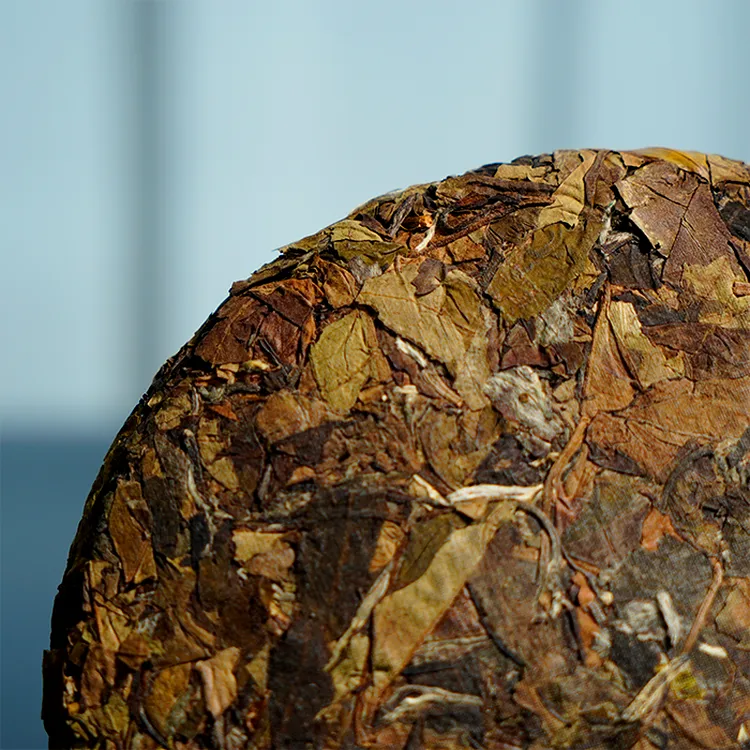
High-quality aged white tea is dry and crisp, with a crisp feeling when lightly touched. If the dry tea is soft and tough, it indicates that the moisture content exceeds the standard and it has already begun to spoil. If the tea clumps together and its color is grayish and dull, then you should be even more careful.
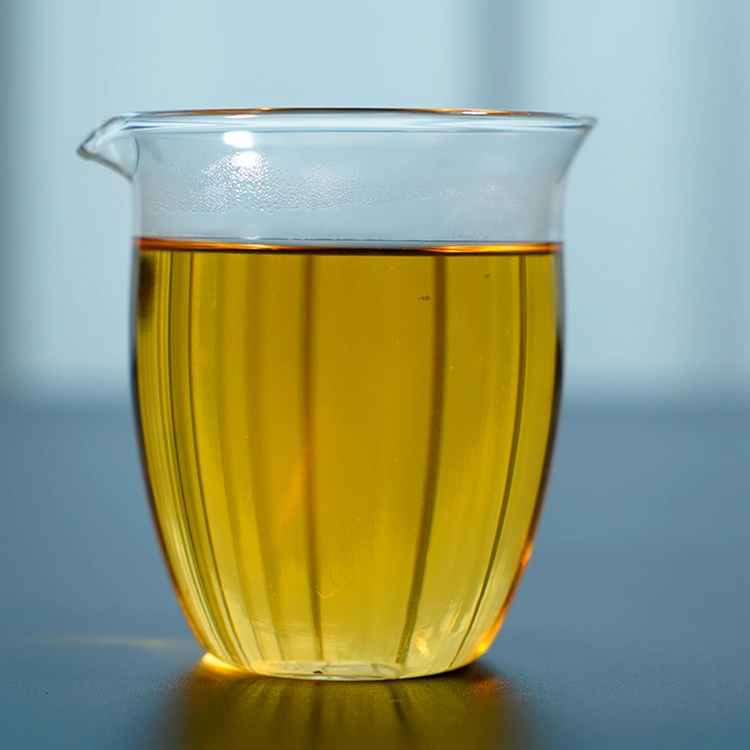
Second, look at the tea liquor. High-quality aged white tea has clear tea liquor, with a warm, moist, and lustrous color. If the tea liquor is turbid and the color is dull, it means the tea has spoiled.
Third, when tasting, we can feel the location of the sourness. In truly aged white tea, the fruity aroma blends into the mellow and sweet tea liquor, and the sour feeling quickly dissipates after swallowing without lingering. The sour feeling of spoiled tea, however, rushes straight to the front of the mouth and still remains in the back of the throat after swallowing. Moreover, after multiple infusions, its sourness becomes stronger and stronger rather than gradually weakening.
Finally, look at the brewed leaves.
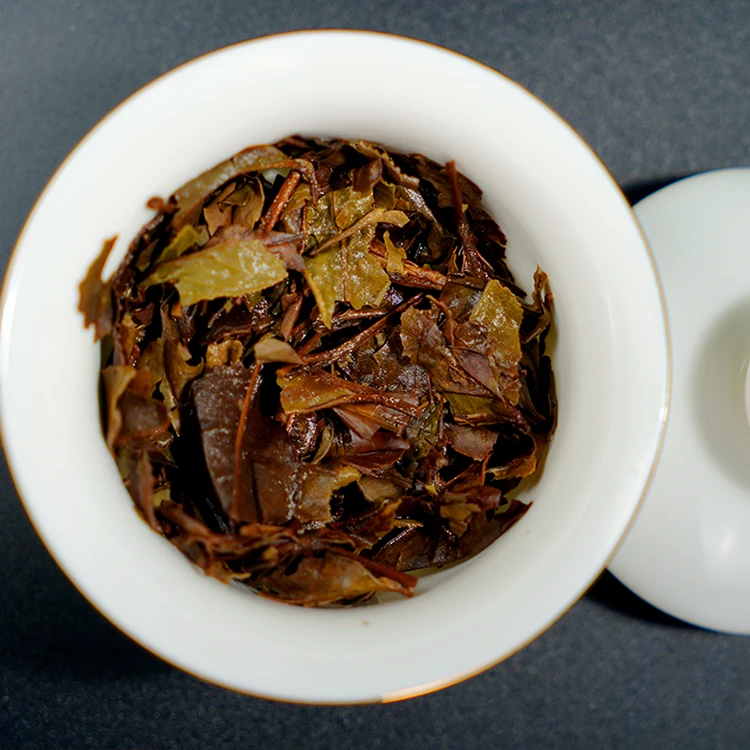
After brewing, high-quality aged white tea has brewed leaves with a reddish-brown base color, clear leaf veins, and full vitality, and they feel soft and elastic to the touch. The brewed leaves of spoiled tea, however, are mushy, dark, and completely lacking elasticity, and in severe cases are almost paste-like.
Practical purchasing advice
Three practical suggestions:
1. For us ordinary consumers, it is very difficult to distinguish true plum aroma from the smell caused by spoiled tea. Merchants can easily package a defect as a feature; in this situation, we should not pay extra for the words “plum aroma.”
2. If you taste sourness, do not force yourself to interpret it as flavor; we should consider it a defect. When uncertain, it is better to miss out than to buy the wrong thing.
What we pursue in aged white tea is the warm, sweet, and clean texture precipitated by time. In this regard, our new white tea and aged white tea reach the same goal by different paths, and the core of both lies in purity. So-called plum aroma is merely icing on the cake.