
Fuding White Tea: TCM Health Wisdom, Properties, and Scientific Drinking Guide
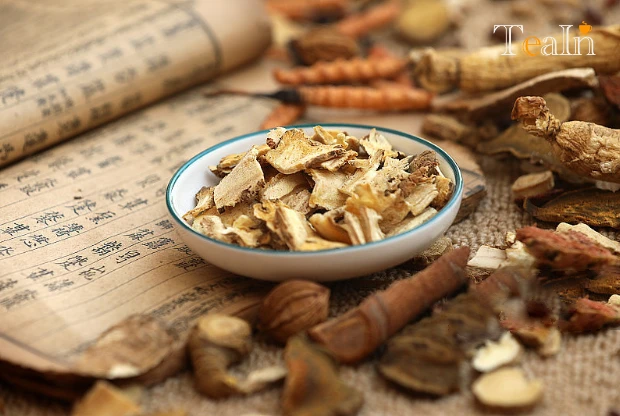
Amid the global trend of natural wellness, Fuding white tea from China’s Taimu Mountain has won over tea lovers with its fresh, mellow taste. Beyond its flavor, it holds a significant place in Traditional Chinese Medicine (TCM)’s thousand-year-old system. With its minimalist production process, it preserves natural health benefits that deepen over time, making it a "wellness drink you can enjoy daily." For modern people seeking natural healing, understanding Fuding white tea’s TCM logic helps make daily tea-drinking more targeted, truly harnessing its ability to balance the body and mind.
I. Fuding White Tea in TCM Classics: Taste, Nature, and Body-Regulating Effects
TCM’s understanding of tea has been shaped by millennia of practice. As a premium white tea variety, Fuding white tea’s wellness value is clearly documented in ancient texts, serving as a reliable basis for daily health maintenance.
1. Core Traits: Sweet and Slightly Bitter, Mild and Gentle
In Tang Ben Cao (Tang Materia Medica), Su Jing of the Tang Dynasty accurately described tea as "sweet and bitter in taste, slightly cool in nature, and non-toxic"—a description that perfectly fits Fuding white tea. The "sweetness" nourishes and balances the body, relieving dryness caused by internal heat. The "slight bitterness" helps clear heat and reduce fire, eliminating accumulated heat in the body. Its "slightly cool" nature is gentle: not as harsh as strongly cold herbs like coptis, nor as warming as hot ingredients like dried ginger. Even with long-term consumption, it rarely irritates the stomach and spleen. This mildness makes Fuding white tea a suitable wellness drink for most people.
2. Regulating Effects: Nourishing Major Organs, Balancing the Body
In Leigong Paozhi Yaoxing Jie (Commentary on the Medicinal Properties of Processed Herbs), Li Shicai of the Ming Dynasty noted that tea "acts on the heart, liver, spleen, lungs, and kidneys." Thanks to its pure production process, Fuding white tea fully retains this trait. It works on the body’s key organs:
- For the heart, it clears heat and calms the mind, relieving restlessness and insomnia.
- For the liver, it soothes qi and eases emotional stagnation.
- For the spleen, it aids digestion and eliminates internal dampness.
- For the lungs, it moistens and promotes fluid production, relieving dry throats.
- For the kidneys, it nourishes fluids, helping the body maintain overall balance.
3. Classic Wellness Records: From Traditional Remedy to Daily Care
In Taimu Mountain Complete Records, Zhuo Jianzhou, a famous scholar from Fuding during the Republican period, described Baihao Yinzhen (Silver Needle) as "cool in nature, as effective as rhinoceros horn, and a sacred remedy for measles." This highlights its medicinal value and confirms its heat-clearing and detoxifying effects. These benefits are not just theoretical. During China’s planned economy era in the 20th century, Beijing Tongrentang (a renowned TCM pharmacy) allocated 50 catties of Baihao Yinzhen annually to make high-grade herbal pills. Today, it remains a popular natural remedy in TCM shops across Southeast Asia, often used as an auxiliary ingredient for body regulation.
II. Craft and Wellness: How Minimalist Production Preserves Nutritional Essence
Fuding white tea’s health benefits are closely tied to its unique production process. It abandons complex steps like pan-frying or rolling, relying solely on two core processes: withering and drying. This method, similar to sun-drying medicinal herbs, maximizes the retention of the tea’s natural nutrients.
1. Withering: Slow Transformation to Unlock Wellness Benefits
Fuding white tea is either sun-withered naturally or air-dried indoors, allowing the leaves to lose moisture slowly in a gentle environment. During this process, beneficial substances in the tea are not destroyed; instead, they transform into forms more easily absorbed by the human body. Compared to tea processed with high-temperature frying, Fuding white tea retains more nutrients—especially high levels of tea polyphenols—laying the foundation for its heat-clearing, antibacterial, and antioxidant effects.
2. Drying: Low-Temperature Preservation to Retain Natural Value
Drying is done through low-temperature roasting or natural air-drying, avoiding nutrient loss from high heat. The resulting tea has extremely low moisture content, making it easy to store while preserving its natural wellness benefits. This "subtractive process" aligns with TCM’s philosophy of "working with nature," allowing the tea’s nutrients and effects to shine through. Like sun-dried medicinal herbs, it exerts a gentle regulating effect in daily consumption.
III. Wellness Differences Between Fresh and Aged Fuding White Tea: Choose Based on Season and Body Type
Fuding white tea’s famous trait—"one year as tea, three years as aged tea, seven years as treasure"—reflects TCM’s wisdom of "adapting to seasons and matching body types." The nature and effects of fresh and aged tea change over time, suiting different seasons and body types.
1. Fresh White Tea: Clears Heat and Relieves Summer Heat—Perfect for Summer and Heat-Prone Bodies
Fresh Fuding white tea (stored for less than a year) is slightly cool in nature, rich in beneficial compounds like tea polyphenols and caffeine. In TCM, its core effects are "clearing heat and reducing fire, relieving summer heat and quenching thirst, and aiding digestion." It is ideal for summer drinking, easing dry mouth, restlessness, and fatigue caused by heat. It also suits people with heat-prone bodies—those who often experience acne, dry mouth, bitter taste, or constipation. Drinking fresh white tea helps balance internal heat and alleviate discomfort.
2. Aged White Tea: Moistens and Nourishes—Ideal for Autumn/Winter and Cold-Prone Bodies
As storage time increases (over 3 years as aged tea, over 7 years as old tea), Fuding white tea’s nature gradually shifts from slightly cool to warm and gentle. During this process, levels of tea polyphenols and caffeine decrease year by year, while beneficial compounds like flavonoids accumulate. Its effects transform into "moisturizing and relieving dryness, gently nourishing the stomach and spleen, and replenishing body fluids." Autumn and winter are dry seasons, where the body is prone to dry skin, sore throats, and weak digestion. Aged white tea targets these issues effectively, especially for people with cold-prone bodies—those who feel cold easily, have cold hands and feet, or have weak gastrointestinal function. Drinking aged white tea provides gentle nourishment without the cool stimulation of fresh tea.
IV. Modern Scientific Support and Practical Drinking Tips
Fuding white tea’s TCM wellness wisdom is backed not only by thousand-year practice but also by modern scientific research. Choosing the right way to drink it based on personal circumstances and scenarios maximizes its health benefits.
1. Modern Scientific Validation
Studies show that flavonoid content in Fuding white tea increases significantly with storage time. This compound has strong antioxidant and anti-inflammatory properties, aligning with TCM’s claim of "moisturizing dryness and nourishing the body." Additionally, the retained tea polyphenols inhibit the growth of harmful bacteria, supporting TCM’s traditional "detoxification" effect. These scientific findings make Fuding white tea’s wellness value more accessible to global audiences.
2. Drinking Scenarios and Body Type Matching
Seasonal choice: Opt for fresh white tea or tea stored for 1-2 years in summer to relieve heat. In autumn and winter, prioritize aged white tea (stored for over 3 years) to gently nourish the stomach and intestines.
Body type adaptation: Heat-prone bodies can drink fresh white tea long-term. People with neutral bodies can enjoy it year-round, switching to aged white tea for more comfort in autumn and winter. Those with cold-prone bodies should stick to aged white tea and avoid drinking it on an empty stomach.
Special groups: Pregnant women, breastfeeding mothers, and those with severe cold-prone bodies should reduce intake or consult professionals before drinking. People prone to insomnia should avoid it within 3 hours of bedtime; if they do drink it, choose aged white tea and use less tea leaves.
3. Brewing Methods: Gentle Brewing to Preserve Wellness Nutrients
Water temperature: Use 90-95°C water for fresh white tea to avoid destroying its fresh taste and nutrients. For aged white tea, use 95-100°C water to fully release beneficial compounds and rich aroma.
Tea quantity: For a 110ml gaiwan, use 3-4 grams of fresh white tea or 4-5 grams of aged white tea. Avoid over-steeping to prevent irritating the stomach.
Steeping time: Pour out the first three infusions quickly (3-5 seconds), gradually extending the time for subsequent infusions. Aged white tea can also be simmered to better release its warm wellness effects.
Fuding white tea’s TCM wellness wisdom is a perfect blend of traditional practice and natural laws. With its minimalist process, it preserves natural nutrients that deepen in value over time. It aligns with TCM’s philosophy of "adapting to seasons and matching body types" and is supported by modern science. Whether you’re a modern person seeking natural healing or someone interested in TCM culture, drinking Fuding white tea allows you to experience physical and mental balance and nourishment. This integration of wellness into daily life is the core reason Fuding white tea has remained popular for thousands of years.
Summary
This article explores Fuding white tea’s wellness value from a TCM perspective, combining ancient classic records and modern research to detail its core advantages. Fuding white tea is sweet and slightly bitter in taste, mild in nature, and acts on major organs to balance the body. Its minimalist sun-drying and air-drying process retains abundant beneficial compounds like tea polyphenols and flavonoids, laying the foundation for its health benefits. Fresh white tea is slightly cool, focusing on clearing heat and relieving summer heat—ideal for summer and heat-prone bodies. Aged white tea becomes warm and gentle over time, with core effects of moisturizing dryness and nourishing the stomach and spleen—suitable for autumn/winter and cold-prone bodies. The article also provides practical tips on body type adaptation, seasonal selection, and brewing methods, supported by modern scientific research. With its trait of "wellness through daily drinking," Fuding white tea bridges TCM tradition and modern natural wellness, making it a suitable daily drink for anyone seeking gentle body regulation.