
How Important Is Dryness for High-Quality White Tea? Scientific Explanation & Storage Tips
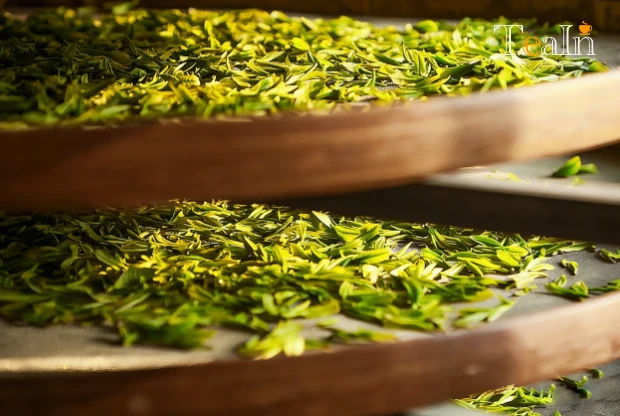
Dryness is one of the core factors determining white tea quality, yet it is often overlooked by tea lovers. Both the fresh flavor of new tea and the aging potential of aged tea depend on the foundation of "sufficient dryness." How crucial is dryness for high-quality white tea? It directly affects the tea’s storage safety, flavor expression, and long-term value.
I. Core Standard for Dryness: Not "The Drier, The Better," But "Up to Standard and Stable"
White tea’s dryness has clear industry standards, not subjective perception. According to national standards, the moisture content of finished white tea must be controlled within 8.5%. For high-quality white tea to ensure quality and aging potential, the moisture content is strictly limited to 5%-6%. This range not only prevents tea from spoiling due to excessive moisture but also retains an appropriate amount of moisture to support later natural aging, balancing "safe storage" and "beneficial transformation." If moisture content is below 3%, the tea is prone to brittleness and loss of aromatic substances; above 8.5%, it faces an immediate risk of mold.
II. Dryness Affects Storage Safety: Moisture Is a "Hidden Killer" of Quality
White tea’s "no stir-frying, no rolling" process preserves a lot of natural substances, making it extremely sensitive to moisture. If dryness is not up to standard, excess residual moisture in the tea becomes a breeding ground for bacteria and mold:
In the short term, it causes the tea to turn sour and develop a musty smell, masking the tea’s inherent downy and floral aromas;
In the long term, it leads to mold and clumping, completely losing flavor and potentially producing harmful substances, making it unfit for consumption.
Especially in humid areas, sub-standard dry white tea deteriorates much faster—even high-grade raw materials cannot be rescued.
III. Dryness Determines Aging Potential: Dryness Is the Premise of "More Fragrant as It Ages"
The core of white tea’s "more fragrant as it ages" lies in the slow, beneficial transformation of internal substances, which requires a dry environment. Sufficiently dry white tea, stored in a sealed, dark, and room-temperature setting, allows tea polyphenols, amino acids, and polysaccharides to gradually transform. Its aroma evolves from fresh to warm jujube or medicinal notes, with a increasingly mellow taste. Insufficient dryness turns this transformation into "deterioration": the tea undergoes excessive oxidation, developing sour, stale flavors that not only fail to improve quality but also continuously reduce its value.
IV. Practical Judgment & Protection Tips: How to Control White Tea Dryness
1. Quick Dryness Judgment
- Touch: Dry white tea has loose, crisp strips that break easily when twisted between fingers, with bud down not easily falling off; sticky, soft tea that does not crumble indicates insufficient dryness.
- Sound: Shake a small amount of dry tea in an empty cup—dry tea produces a clear "rustling sound"; a dull sound may mean excess moisture.
2. Storage Protection Key Points
- Control ambient humidity at 50%-60%; use desiccants (avoid direct contact with tea) during rainy seasons;
- Choose containers with good sealing (aluminum foil bags, purple clay jars, etc.) to reduce tea’s exposure to humid air;
- Avoid storing tea in high-temperature, high-humidity areas like kitchens or bathrooms, and keep it away from odor sources.
Dryness is the "lifeline" of white tea quality. Without sufficient dryness, even high-quality raw materials cannot deliver good flavor, let alone long-term aging. Controlling dryness means controlling the safety and value of white tea. Whether purchasing or storing, paying attention to the dryness index allows white tea’s natural charm to fully shine.
Summary
This article focuses on "the importance of dryness for high-quality white tea," clarifying the core dryness standards (national standard moisture content ≤8.5%, 5%-6% for high-quality tea). It points out that dryness is key to storage safety and aging potential: insufficient dryness causes tea to mold and turn sour, losing drinking value; sufficient dryness is essential for white tea’s "more fragrant as it ages" beneficial transformation. Practical methods for quickly judging dryness (touch, sound) and storage tips (humidity control, container selection) are provided, emphasizing that dryness is the "lifeline" of white tea quality and the core premise for ensuring flavor and value.