
How Many Times Can You Steep Tea?
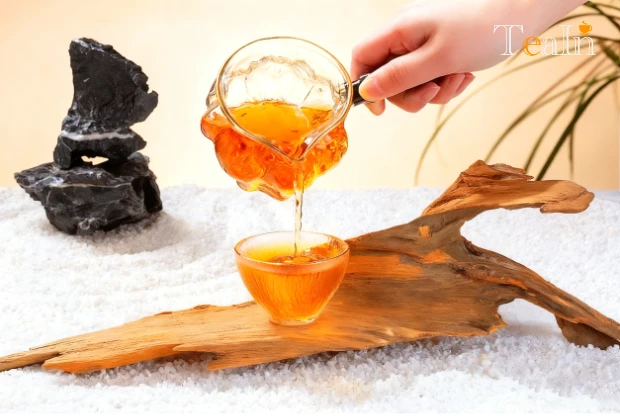
Many tea lovers struggle with this question: how many times should you steep a good pot of tea to get it just right? Steep too few times, and you feel you’re wasting the tea’s aroma and nutrients. Steep too many, and you risk a bland, tasteless brew. There’s no one-size-fits-all answer, though. The key lies in the tea’s type, processing, and brewing method. Each tea has its own "steeping limit," and once you grasp it, you can fully unlock its value without wasting an ounce of its fragrance.
1. The "Steeping Code": Type and Processing Determine How Many Steeps
How many times a tea can be steeped boils down to its raw material characteristics and production process. Generally, tender, finely processed teas release their nutrients quickly and are less resistant to multiple steeps. Thicker, intact leaves or fully fermented teas release substances more slowly, making them naturally more durable.
Green Tea: Fresh and Fleeting, Best for 2-3 Steeps
As an unfermented tea with delicate leaves, green tea is sensitive to high temperatures. Brew it with water between 80°C and 85°C, and don’t let it steep too long. Over 80% of its vitamin C and amino acids are released in the first steep, with the second steep unlocking up to 95%. The second steep hits the flavor peak, offering the freshest, crispest taste. By the third steep, the aroma fades noticeably. Using water that’s too hot or steeping for too long not only makes it bitter but also destroys its tea polyphenols and vitamin C.
Black Tea: Rich and Sweet, 4-5 Steeps Deliver Joy
Black tea is fully fermented and thrives with boiling water. The first steep should be quick—think of it as "awakening the tea" to rinse off surface dust. The second and third steeps are its golden hour, with fruity, honeyed, and floral notes unfolding layer by layer. By the fourth and fifth steeps, the flavor softens but remains smooth and sweet, never tasting flat.
Oolong Tea: Aromatic and Long-Lasting, 7 Steeps with Residual Fragrance
Oolong tea is semi-fermented, with thick, curled leaves packed with nutrients—making it famously resistant to steeping. High-quality oolong like Tieguanyin or Phoenix Dancong retains its rich aroma even after 7-8 steeps. The old saying, "Tieguanyin keeps its fragrance for seven steeps," is no exaggeration. The first two steeps wake the tea up; the third and fourth reveal its true character, with bright orange liquor, full-bodied aroma, and a lingering sweet aftertaste. Each subsequent steep softens the aroma, but it never loses its charm.
Dark Tea: More Steeps, More Mellow, 10 Steeps with 回甘 (Sweet Aftertaste)
Dark tea is post-fermented, with a warm, calm nature and exceptional steeping endurance. The first two or three steeps act as a rinse, removing any storage-related off-flavors and awakening its aged aroma. From the fourth steep onward, its charm shines—aged, woody, and glutinous notes emerge one after another, growing richer with each steep. Dark teas like ripe Pu-erh or Fuzhuan brick tea still offer a noticeable sweet aftertaste even after 10 steeps, with a full, smooth texture.
White Tea: Subtle Aroma, Growing Gentler with Each Steep
White tea is processed without frying or rolling, preserving its natural state. Its steeping endurance depends heavily on storage time. Young white tea is light and gentle, best for short steeps—5-7 steeps work well, with the first few offering freshness and later ones turning sweet. Aged white tea, however, transforms over time, releasing substances more slowly. The first two steeps are mild, but by the third and fourth, herbal and jujube notes appear, and the liquor shifts from pale yellow to orange-red. It remains flavorful even after 8-10 steeps.
2. The Transformation of Tea Liquor: A Flavor Journey from First to Last Steep
Steeping a good tea is a gradual flavor experience, with each steep bringing a new surprise rather than repetition.
The first steep is the "awakening." Also called rinsing or moistening the tea, its purpose isn’t to drink but to let the dry leaves unfurl gently in warm water, rousing the tea’s essence and rinsing off any fine dust. This prepares it for full flavor release later.
The second steep is the "aroma peak." By now, the leaves are fully unfurled, releasing a wealth of aromatic compounds and nutrients. The aroma is strongest, and the taste is most mellow—whether it’s green tea’s freshness, black tea’s sweetness, or oolong’s vibrant scent, this is where the tea shines brightest. For most teas, this is the "true first sip" worth savoring.
The third and fourth steeps are the "gentle transition." As soluble substances diminish, the liquor’s intensity softens, but the flavor becomes more lingering and nuanced. This is when oolong and dark tea reveal their complexity—aromas are less bold but more restrained, with a longer sweet aftertaste.
After the fifth steep comes the "lingering fragrance." The liquor fades but isn’t tasteless. Oolong retains its aroma for up to seven steeps, shifting from bold to sweet. Dark tea and aged white tea keep giving, with faint aged or jujube notes lingering on the palate long after the tenth steep, offering a calm, soothing experience.
3. Practical Tips: Remember These Rules to Avoid Mistakes
Tea lovers have summed up simple, useful guidelines through years of practice—no need to memorize complicated rules, just follow these rhythms:
- Green tea and yellow tea rarely stand up to more than 3 steeps; the first two offer the freshest taste. Over-steeping only wastes their natural flavor.
- Black tea works well for 4-5 steeps, with the second and third being the most flavorful. It stays sweet even as it lightens.
- Oolong and aged white tea handle at least 7-8 steeps, growing gentler and more nuanced with each brew.
- Dark teas like Pu-erh are remarkably consistent—they hit their stride after the third steep and remain enjoyable for 10+ steeps.
Beyond the tea itself, brewing method affects steeping endurance. Water that’s too hot or steeping too long accelerates nutrient release, shortening the tea’s lifespan. An unbalanced tea-to-water ratio or rough handling can also rob good tea of its flavor early. Finding the right rhythm for your tea matters more than fixating on exact steep counts.
4. The Wisdom of Steeping Tea: True Flavor Lies in Knowing When to Stop
The real art of steeping tea isn’t about maximizing steeps—it’s about knowing when to stop and savoring each cup’s unique character. Like life’s stages, the first steep is fresh and pure, like a first encounter. The second is rich and abundant, the peak of its potential. After the third, it softens—losing its sharpness but gaining calm and depth.
Don’t insist on "steeping as many times as possible." When the aroma and taste no longer resonate, that’s the perfect endpoint. Every tea leaf has a finite amount of energy, and honoring it by experiencing its best state is the greatest respect. May every steep be waste-free and uncompromising, letting you savor life’s peace and sweetness in a cup of fragrant tea.