
How to Avoid Bitterness in New Tea? Practical Brewing Guide
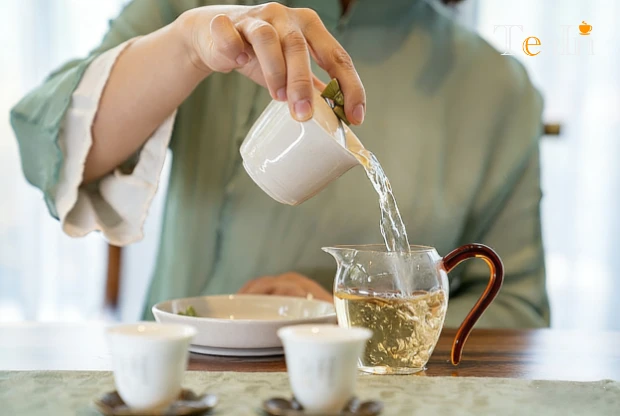
New tea, having not undergone long-term aging, contains higher levels of tea polyphenols and caffeine than aged tea. Many tea lovers encounter bitterness when brewing it. In fact, this bitterness is not a sign of poor tea quality but mainly stems from improper brewing methods. Mastering a few key techniques can easily highlight the fresh sweetness of new tea and avoid bitter notes.
I. Core Technique: Control Decanting Time, Avoid Steeping
The main cause of bitterness in new tea is the excessive leaching of bitter substances like caffeine and tea polyphenols, with prolonged steeping being the key trigger. Follow the principle of "quick decanting" when brewing:
- The first infusion should last about 10 seconds. For delicate bud teas like Baihao Yinzhen (Silver Needle), shorten it to 5-6 seconds to prevent over-release of bitter substances from the tender buds.
- Starting from the third infusion, gradually extend the decanting time by 5-10 seconds per brew based on the liquor concentration, ensuring flavor without bitterness.
- Never leave brewed tea in the vessel for a long time. Pour it out immediately after brewing to reduce continuous leaching of bitter compounds.
II. Adjust Water Temperature: Avoid High Heat Stimulation
High temperatures accelerate the leaching of bitter substances, so new tea requires mild water temperature control:
Use hot water at 85-90℃. This temperature can stimulate the floral and downy aromas of new tea while avoiding damage to nutrients and reducing bitterness.
For extremely delicate new tea (such as Baihao Yinzhen), lower the water temperature to 80-85℃ to further slow the leaching of bitter substances.
III. Control Tea-to-Water Ratio: Balance Concentration and Taste
Excessive tea leaves lead to overly concentrated liquor, naturally intensifying bitterness. Follow the "less is more" principle:
- For daily brewing, use 3-5g of new tea with 500ml of water (ratio of approximately 1:100). Beginners can reduce the tea amount appropriately (e.g., 3g/500ml) to better control concentration.
- When using a gaiwan (100-120ml), limit tea to 2-3g to avoid overcrowding and prolonged steeping in small containers.
IV. Choose Suitable Vessels: Reduce Steeping Effects
Different brewing vessels significantly impact flavor. New tea should avoid vessels that trap heat and cause prolonged steeping:
- Prioritize gaiwans or glass teapots. Gaiwans allow quick decanting, while glass teapots are transparent and do not retain heat, minimizing leaching of bitter substances.
- Avoid using purple clay teapots with strong sealing and slow heat dissipation. Their heat retention prolongs contact between tea and hot water, intensifying bitterness.
The charm of new tea lies in its fresh, sweet natural flavor. Bitterness is mostly caused by improper brewing. By mastering the four key points—quick decanting, mild water temperature, appropriate tea amount, and suitable vessels—you can fully release the natural aroma of new tea and savor its authentic taste.
Summary
This article addresses "how to avoid bitterness in new tea," pointing out that the core cause is the high content of tea polyphenols and caffeine in new tea, combined with excessive leaching of bitter substances during brewing. It provides four practical techniques: controlling decanting time (about 10 seconds for the first brew, 5-6 seconds for bud teas), adjusting water temperature (85-90℃, lower for delicate buds), controlling the tea-to-water ratio (3-5g/500ml), and choosing suitable vessels (gaiwans or glass teapots are preferred). The article emphasizes that bitterness in new tea is not a quality issue, and its fresh sweetness can be highlighted through scientific brewing.