
How to Brew Aged Shoumei for Best Flavor? 3 Classic Methods & Tasting Techniques
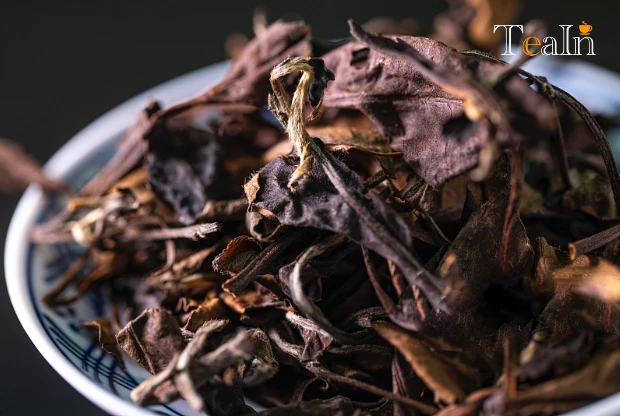
As a white tea variety with outstanding aging value, aged Shoumei has become a favorite among global tea lovers in autumn and winter, thanks to its robust appearance, mellow flavor, and gentle nature. Its broad leaves and occasional stems—seemingly ordinary features—actually hold the secret to its taste. The tea polysaccharides and pectin in the stems transform into a sweet, silky texture over time. The dry tea displays natural mixed hues of brown, yellow, and copper, emitting pure herbal, jujube, or aged aromas. To fully unlock aged Shoumei’s charm, the key lies in choosing the right brewing method. Different scenarios call for different techniques, allowing you to savor its layered flavors or enjoy its convenience and warmth.
I. Gaiwan Brewing: Savor Layered Flavors, Ideal for Leisure Tasting
The gaiwan is the perfect tool to showcase aged Shoumei’s delicate flavors, especially for those who want to slow down and experience changes in aroma and taste. A white porcelain gaiwan does not absorb fragrance, conducts heat quickly, and allows you to observe the tea liquor’s color directly, turning each brew into a deep exploration of aged Shoumei.
1. Tools & Ingredients Preparation
- Main brewer: 110-120ml white porcelain gaiwan (thin-walled to avoid aroma absorption)
- Auxiliary tools: Electronic scale (for precise tea measurement), long-spout kettle (for stable water flow), transparent fairness cup (to check liquor clarity), small tasting cups (to concentrate aroma for sipping)
- Ingredients: 5 grams of aged Shoumei (loose tea is easy to add; compressed cake tea needs to be pried into loose pieces with a tea needle first to avoid crushing)
2. Brewing Steps
- Warm the utensils: Rinse the gaiwan, fairness cup, and tasting cups with boiling water for 30 seconds, ensuring the surfaces are coated with fine water droplets and the temperature is close to boiling. This step prevents "cold water shocking the tea" and keeps aromas from being trapped.
- Add tea & rinse: Place 5 grams of aged Shoumei into the gaiwan. Pour boiling water (100℃) along the bowl’s edge until 80% full, then quickly pour out the rinse water after 30 seconds. At this point, the dry tea will slowly unfurl, tiny bubbles will appear on the surface, and any grassy or stale odors will be removed, laying the foundation for subsequent tasting.
- Formal brewing: Refill with boiling water. For the first 3 infusions, "pour immediately after brewing"—complete the infusion within 10 seconds. The liquor will be pale orange-yellow, with a sweet entrance and subtle jujube aroma. Starting from the 4th infusion, extend the steeping time by 5-10 seconds per brew. The liquor will gradually turn deep orange-red, and the taste will shift from sweet to mellow, with aromas evolving from jujube to herbal and aged notes, becoming increasingly layered.
3. Flavor Characteristics
- Gaiwan brewing preserves the intricate flavor details of aged Shoumei. The sweetness of the early infusions contrasts sharply with the mellow richness of the later ones. It is perfect for sipping slowly with snacks on afternoons or weekends, allowing you to appreciate the complex nuances that time brings to aged Shoumei.
II. Thermos Steeping: Convenient & Efficient, Perfect for Office or On-the-Go
For busy office workers or those traveling, thermos steeping is a lazy-friendly way to enjoy aged Shoumei. This method fully releases the tea’s internal compounds without frequent operation, delivering a sweet, warming cup of liquor.
1. Tools & Ingredients Preparation
- Main brewer: 300-500ml thermos (odor-free interior with good heat retention)
- Ingredients: 1-1.5 grams of aged Shoumei (adjust based on thermos capacity; avoid over-adding to prevent bitterness)
2. Brewing Steps
- Warm the thermos & add tea: Rinse the thermos interior with boiling water, drain, then add the aged Shoumei. If using compressed aged Shoumei cake, pry it into small pieces in advance to ensure better contact with hot water.
- Pour water & steep: Fill the thermos with boiling water (100℃) to 80% capacity, tighten the lid, and steep for at least 30 minutes. During steeping, tea polysaccharides and pectin will dissolve slowly. Even after 4-6 hours of steeping, the liquor will not easily turn bitter and will instead become sweeter.
- Drink & refill: When pouring the liquor, use the thermos’ built-in filter (if available) to separate the leaves. After finishing the first serving, refill with boiling water and steep for 20 minutes (shorter than the first steep). The tea can be refilled 2-3 times while maintaining a sweet, silky taste.
3. Flavor Characteristics
- Aged Shoumei steeped in a thermos has an amber liquor with a rich, direct jujube aroma. Its taste is similar to honeyed rice soup—silky and smooth. One cup can keep you warm throughout the afternoon. Whether placed on your office desk or carried with you, it allows you to enjoy aged Shoumei’s warmth anytime.
III. Clay Pot Simmering: Rich & Warming, Ideal for Autumn-Winter Gatherings
As temperatures drop, simmering aged Shoumei becomes the best choice. A clay pot’s heat retention and breathability complement each other, fully releasing aged Shoumei’s herbal and jujube aromas. The simmered liquor is thick, smooth, and sweet, perfect for sharing with family and friends around a table, combining atmosphere and taste.
1. Tools & Ingredients Preparation
Main brewer: 500-600ml clay pot (avoid iron or aluminum pots, which can impart a metallic taste that ruins the tea’s aroma)
Auxiliary tools: Electric ceramic stove or charcoal fire (to control heat and avoid vigorous boiling)
Ingredients: 5 grams of aged Shoumei (can use dry tea directly or leftover leaves from gaiwan brewing to avoid waste)
Optional additions: 1 pitted red date, 1 slice of ginger (to neutralize mild coolness and add flavor; do not over-add to avoid masking the tea’s aroma)
2. Brewing Steps
- Awaken the tea & preheat the pot: Place the aged Shoumei in a tea tray and let it air for 5 minutes to expose it to air and awaken its aroma. Meanwhile, pour a small amount of boiling water into the clay pot, swirl, and discard to preheat the pot.
- Add tea & simmer: Put the awakened aged Shoumei into the clay pot, add cold water (or 80℃ warm water) until the tea is submerged by 3-4 centimeters. Heat on low until the edges of the water in the pot gently simmer (water temperature 90-95℃; avoid full boiling to prevent excessive tannin release and bitterness). For aged Shoumei aged 3-5 years, simmer for 10-12 minutes; for those aged over 6 years, simmer for 8 minutes (the longer the aging, the shorter the simmering time).
- Add extras & steep: For richer flavor, add the red date or ginger in the last 3 minutes of simmering. Turn off the heat and let it steep for 30 seconds to blend the ingredients’ aroma with the tea’s. Pour the liquor into a fairness cup for serving, avoiding prolonged soaking of the leaves.
- Refill tips: After the first serving, add 200ml of warm water and simmer on low for 8 minutes. For each subsequent refill, extend the time by 3-5 minutes. The tea can be refilled 4-5 times. If the aroma fades, add 1-2 grams of fresh aged Shoumei.
3. Flavor Characteristics
- Simmered aged Shoumei has a bright orange-red liquor with a rice soup-like thickness. Herbal and jujube aromas interweave, offering a warm, mellow taste that warms the whole body after drinking. It is an excellent choice for dispelling cold and warming up in autumn and winter, especially for family gatherings or casual get-togethers with friends.
IV. Aged Shoumei Tasting Essentials: Observe Color, Smell Aroma, Savor Taste
Regardless of the brewing method, mastering tasting skills helps you better judge aged Shoumei’s quality and adjust brewing techniques accurately:
- Observe color: High-quality aged Shoumei liquor is clear and transparent with no turbidity or sediment. When brewed in a gaiwan, the early infusions are pale orange-yellow, turning orange-red later. Simmered liquor is deep amber. The darker and clearer the color, the more thorough the aging.
- Smell aroma: The aroma should be pure with no off-notes. Classic aromas like jujube, herbal, and aged scents are hallmarks of aged Shoumei. Gaiwan brewing reveals layered aroma changes, while simmering produces a more intense, direct aroma. Musty or sour odors indicate improper storage, and the tea should not be consumed.
- Savor taste: The entrance should be sweet, mellow, and smooth with no obvious bitterness. Gaiwan-brewed liquor has a distinct sweet aftertaste, while simmered liquor has a gel-like texture with a long-lasting sweet finish in the throat—signs that tea polysaccharides and pectin have fully dissolved.
V. Common Mistakes to Avoid
- Insufficient water temperature: Aged Shoumei requires boiling water (100℃; 95℃ for simmering) to awaken its internal compounds. Using water below 85℃ traps aromas in the leaves, resulting in a bland liquor.
- Estimating tea quantity: For gaiwan brewing, strictly use 5 grams per 110ml. For simmering, use 5 grams per 600ml. For thermos steeping, use 1-1.5 grams per 500ml. Over-adding causes bitterness, while under-adding results in weak flavor. Use an electronic scale for precision.
- Simmering fresh Shoumei: Only aged Shoumei (over 3 years) is suitable for simmering. Simmering fresh Shoumei releases excessive tea polyphenols, leading to bitterness and losing its fresh character.
- Brewing in Yixing clay teapots: Yixing clay teapots’ pores absorb aged Shoumei’s jujube and herbal aromas, diluting the flavor. White porcelain gaiwans and clay pots are better choices.
VI. Conclusion
There is no absolute "best" way to brew aged Shoumei—only the "most suitable" one. Gaiwan brewing is for savoring layered flavors, thermos steeping for convenient daily life, and clay pot simmering for warming up in autumn and winter. Choosing based on your scenario and needs allows you to unlock aged Shoumei’s mellow sweetness. Its charm lies not in complex techniques but in the tranquility brought by time. A warm cup of aged Shoumei, whether enjoyed alone or shared with others, lets you savor life’s comfort amid the tea’s aroma.
Summary
This article focuses on "how to brew aged Shoumei for best flavor," first introducing its core characteristics (broad leaves with stems, tea polysaccharides and pectin after aging, herbal/jujube/aged aromas, gentle nature). It then details 3 classic brewing methods: Gaiwan Brewing (110-120ml white porcelain gaiwan + 5 grams of tea, warm utensils, rinse, then quick infusions—ideal for savoring layered flavors), Thermos Steeping (300-500ml thermos + 1-1.5 grams of tea, steep for over 30 minutes—perfect for office or travel), and Clay Pot Simmering (500-600ml clay pot + 5 grams of tea, simmer on low for 8-12 minutes—ideal for autumn-winter gatherings). It also provides tasting essentials (observe color, smell aroma, savor taste) and common mistakes to avoid (water temperature, tea quantity, utensil choice). The article helps readers select the right brewing method for their scenario, fully unlocking aged Shoumei’s mellow flavor and enjoying its warmth and comfort.