
How to Brew Baihao Yinzhen? Complete Guide to Unlocking Fresh and Sweet Flavors
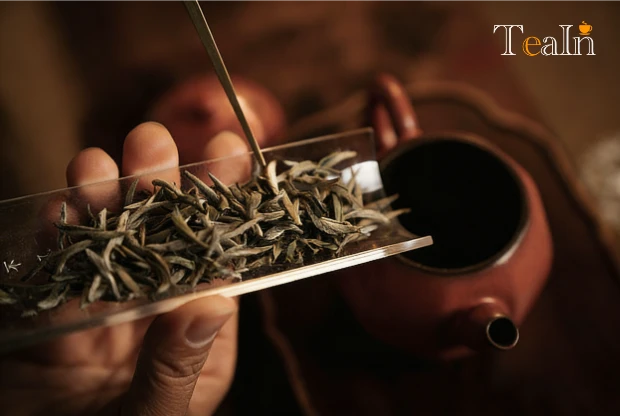
As a treasure among white teas, Baihao Yinzhen (Silver Needle tea) is made from pure single buds covered in fine white down. This down is the core source of its fresh aroma and sweet taste. The Fuding white tea process of "no pan-frying, no rolling" fully preserves this down, which is rich in amino acids and aromatic substances that directly define the tasting experience. The key to brewing Baihao Yinzhen lies in maximizing the retention of the white down, gently extracting nutrients, and avoiding damage to its delicate bud structure. Combining the characteristics of Baihao Yinzhen and practical experience, this article details the scientific brewing method from four dimensions—pre-brewing preparation, core steps, common mistakes to avoid, and tasting tips—helping tea lovers easily brew a cup of fresh, mellow Baihao Yinzhen.
I. Pre-Brewing Preparation: Choose the Right Tools and Ingredients to Lay the Foundation for Flavor
The core principle of brewing Baihao Yinzhen is "gentle extraction and protecting buds." Preparation should focus on selecting tools, controlling dosage, and optimizing water quality around this principle.
1. Tool Selection: Gaiwan as the First Choice, Balancing Practicality and Viewing
- Preferred Tool: 110ml Gaiwan : A gaiwan allows easy temperature and water control, enabling quick infusion to avoid over-steeping buds. Choose a thin-walled white or celadon gaiwan with moderate thermal conductivity—it won’t absorb aroma and lets you clearly observe the tea liquor color.
- Alternative Tool: Glass Cup : Ideal for tea lovers who enjoy watching buds unfurl. Glass cups are transparent and odorless, offering a clear view of Baihao Yinzhen "standing upright" in water. However, ensure quick infusion to prevent over-steeping.
- Tools to Avoid : Steer clear of purple clay teapots (prone to absorbing the down’s aroma) and thick-walled containers (difficult to control temperature). A tea strainer is unnecessary as it filters out the precious fine white down.
2. Tea Dosage and Tea-to-Water Ratio: Precise Control to Avoid Over-Concentration or Weakness
Baihao Yinzhen buds are plump and rich in internal substances, so tea dosage must be strictly controlled. The standard ratio is 1:35-1:40—3 grams of Baihao Yinzhen for a 110ml gaiwan, or 12-15 grams for a 500ml glass cup.
Handle buds gently when adding tea to prevent the white down from falling off. If buds are smaller, reduce the dosage appropriately (e.g., 2.5 grams per 110ml) to avoid overly thick liquor.
3. Water Quality Selection: Soft Water is Best to Avoid Affecting Taste
Baihao Yinzhen has a delicate, sweet taste, and water quality significantly impacts it. Recommended options include mountain spring water, purified water, or filtered soft water. These have low mineral content, preserving the tea’s natural flavor to the maximum.
Avoid hard water (such as unfiltered tap water). Calcium and magnesium ions in hard water react with tea components, causing cloudy liquor and a dull taste that masks the down’s freshness. Boil water before brewing to remove chlorine and enhance liquor purity.
II. Core Brewing Steps: Gentle Operation to Retain White Down and Nutrients
The key to brewing Baihao Yinzhen is "high temperature, quick infusion, and gentle handling"—avoid damaging buds or over-extracting internal substances. Follow these steps:
1. Water Temperature Control: Boiling Water Above 95℃ to Activate Aroma
Most aromatic substances in Baihao Yinzhen are high-boiling and require sufficient temperature to fully release. Use 95-100℃ boiling water without cooling it down. High temperature quickly penetrates the bud surface, gently extracting amino acids and aromatic substances without causing bitterness (amino acids in the white down neutralize mild irritation).
Water temperatures below 90℃ fail to activate aroma substances, resulting in tasteless liquor that wastes the down’s flavor potential.
2. To Rinse or Not to Rinse: Depends on Quality, Avoid Over-Rinsing
- High-quality Baihao Yinzhen (pure raw materials, standardized processing, no impurities): No rinsing needed. Such tea is clean and odorless—rinsing washes away the precious surface down, leading to aroma and nutrient loss. Brew directly to retain full flavor.
- Baihao Yinzhen stored for a long time or with slight surface dust: A quick "moistening" is acceptable. Pour boiling water gently along the gaiwan edge and discard immediately, limiting the process to 2 seconds. This only cleans the surface; avoid prolonged soaking.
3. Water Pouring Method: Slow, Along the Wall to Protect Buds and Down
Pour water gently to avoid direct impact on buds. Hold the kettle and let the water flow slowly around the inner wall of the gaiwan or glass cup. A thin, gentle stream ensures even hydration of buds and prevents down loss from impact.
For glass cups, first add one-third of the water, then add buds. Once buds begin to unfurl, top up the water. This protects the down and allows you to enjoy the sight of buds "standing gracefully."
4. Infusion Time: Quick First Infusions, Gradually Extend
Baihao Yinzhen buds are delicate, and internal substances extract easily. Control infusion time strictly, following a "short → long" rhythm:
- 1st-2nd infusions: 5-8 seconds for quick extraction. Empty the gaiwan completely to avoid residual liquor over-steeping buds. The liquor is fresh and sweet at this stage, with the most intense down aroma.
- 3rd-4th infusions: 10-15 seconds. Buds gradually unfurl, enabling balanced extraction for a mellow taste.
- 5th-6th infusions: 20-30 seconds. Extend each subsequent infusion by 5-10 seconds until the flavor fades.
Baihao Yinzhen can be infused 6-8 times. Beyond 8 infusions, the flavor weakens significantly, and further brewing is unnecessary.
III. Common Mistakes to Avoid: Key to Preserving Flavor
Baihao Yinzhen buds are delicate, and improper operation during brewing can ruin the taste. Focus on avoiding these mistakes:
1. Using a Tea Strainer
Tea strainers filter out the core of Baihao Yinzhen, the fine white down. This reduces aroma, causes nutrient loss, and damages the liquor’s silky texture. Even a small amount of suspended down in the liquor is normal—it doesn’t affect health and enhances flavor.
2. Over-Steeping
Over-steeping buds with the lid on for more than 30 seconds in a gaiwan, or leaving brewed tea in a glass cup for too long, leads to over-extraction of tea polyphenols and caffeine. This makes the liquor astringent, masking its natural sweetness. Regardless of the tool, follow the principle of "quick infusion and frequent refilling."
3. Pouring Water Directly on Buds
Direct water flow damages bud structure, causing massive down loss and uneven local extraction. This results in "strong outside, weak inside" liquor that compromises taste balance.
4. Too Much or Too Little Tea
More than 4 grams of tea per 110ml makes the liquor overly thick and astringent. Less than 2 grams leads to insufficient extraction, resulting in tasteless liquor that fails to showcase Baihao Yinzhen’s characteristics. Adhere strictly to the 1:35-1:40 ratio.
IV. Tasting Tips: Observe Color, Smell Aroma, Savor Taste to Experience the Treasure
Tasting after brewing completes the experience. Evaluate Baihao Yinzhen from three aspects:
1. Observe Color: Appreciate Liquor and Bud Appearance
- Liquor Color: The first 3 infusions are pale yellow or apricot-yellow, clear and translucent with slight suspended down—this is normal. Subsequent infusions deepen to orange-yellow but remain transparent without cloudiness.
- Bud Appearance: High-quality Baihao Yinzhen buds stand upright and unfurl fully after brewing, plump and elastic. The white down remains attached to the buds without massive loss.
2. Smell Aroma: Capture Multi-Layered Scents
- Dry Tea Aroma: Fresh honey and orchid notes with a faint down scent, pure and free of off-tastes.
- Brewed Aroma: The first infusion highlights down aroma accompanied by sweet floral notes. Later infusions bring richer honey aroma with distinct layers—no pungency or bitterness.
3. Savor Taste: Experience Freshness and Lingering Sweetness
The initial sip delivers fresh down aroma, followed by a surge of sweetness. The liquor feels silky and delicate in the mouth, with no astringency. After swallowing, a noticeable lingering sweetness and saliva production appear in the throat. This is the result of amino acids and soluble sugars in the white down, a core characteristic of high-quality Baihao Yinzhen.
Baihao Yinzhen Quick Brewing Reference Card
| Item | Details |
| Recommended Tools | 110ml gaiwan (preferred) or glass cup |
| Tea-to-Water Ratio | 1:35-1:40 (3g/110ml gaiwan; 12-15g/500ml glass cup) |
| Water Quality | Mountain spring water, purified water, or filtered soft water |
| Water Temperature | 95-100℃ boiling water |
| Rinsing | High-quality tea: No rinsing; Stored/dusty tea: 2-second quick moisten |
| Infusion Time | 1st-2nd: 5-8s; 3rd-4th: 10-15s; 5th-6th: 20-30s; Extend 5-10s per brew |
| Number of Infusions | 6-8 times |
| Key Notes | Avoid tea strainers, direct water impact, and over-steeping |
Summary
This article details how to brew Baihao Yinzhen, with core conclusions as follows: The key to brewing Baihao Yinzhen is protecting the fine white down and gentle extraction. Preparations include choosing a 110ml gaiwan (preferred), using 3 grams of tea, and selecting soft water. Core steps involve brewing with 95℃+ boiling water, skipping rinsing for high-quality tea, pouring water gently along the wall, and following a "5-8 seconds → gradual extension" infusion rhythm. Avoid common mistakes such as using a tea strainer, over-steeping, pouring water directly on buds, and improper dosage. Tasting involves observing liquor color, smelling multi-layered aromas, and savoring freshness with lingering sweetness. Following these methods maximizes the retention of nutrients and aroma in the white down, fully releasing Baihao Yinzhen’s fresh and sweet flavor—ideal for daily tasting or as a premium tea to share.