
How to Choose Aged White Tea? Avoid the Year-Only Myth: Scientific Buying Guide
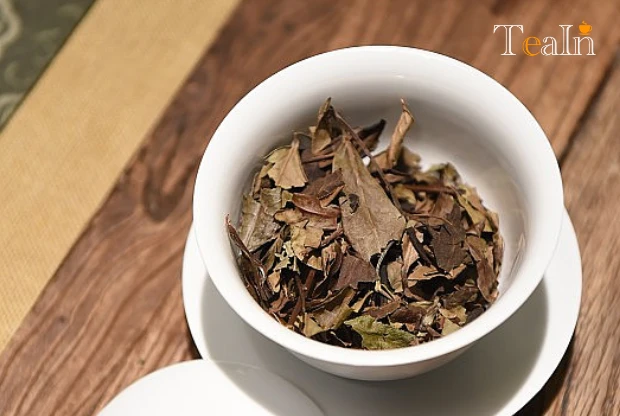
n the white tea market, "age" is one of the most focused indicators for tea lovers. Some even fall into the "year-only myth," believing that the older the white tea, the better its quality and higher its value. However, the truth is that high age does not equal high quality. The market is flooded with a large number of "fake aged teas" with falsified years, while genuine high-quality aged teas are scarce and expensive. The core of choosing aged white tea lies in comprehensive judgment based on your own needs, as well as the tea’s raw materials, craftsmanship, and storage—not just chasing the number of years. Combining white tea aging rules and market realities, this article helps tea lovers establish a scientific understanding from four dimensions: flavor characteristics of different ages, pitfalls of the year-only myth, core selection criteria, and practical buying skills—to select the right aged white tea for themselves.
I. Flavor Characteristics of White Tea of Different Ages: Each Suits Specific Scenarios
The age of white tea directly affects its flavor and taste, but it is not "the older the more fragrant." Teas of different ages have their own advantages, adapting to different drinking needs.
1. New White Tea (1-2 Years): A Fresh and Sweet Daily Choice
New white tea, freshly produced, has a fresh nature and retains the most authentic freshness of the tea leaves. The dry tea is green or pale yellow with distinct white down. The tea liquor is pale yellow or apricot-yellow, clear and translucent. The taste is fresh, sweet, and crisp, with obvious floral and honey aromas. It has a high theanine content and no bitterness.
This type of tea does not require long-term aging, making it suitable for frequent daily drinking with high cost-effectiveness. It allows tea lovers to intuitively experience the fresh original flavor of white tea, especially suitable for those who enjoy a lively taste.
2. Mid-Term White Tea (3-5 Years): A Balanced and Mellow Transitional Choice
After 3-5 years of natural aging, the freshness of new white tea gradually fades, transforming into a warm and mellow texture. The dry tea turns yellowish-brown and brown with distinct layers. The tea liquor is amber, with a silky and smooth texture. The aroma changes from fresh floral notes to jujube and woody scents. The taste is balanced with a long-lasting sweet aftertaste, retaining the lingering charm of new tea while possessing the warmth of aged tea.
Mid-term white tea is a "cost-effective choice." It is suitable for daily drinking and also has certain aging potential, making it ideal for tea lovers who want to try aged tea flavor but have a limited budget.
3. High-Year Aged Tea (Over 5 Years): A Mellow and Scarce Collectible Choice
High-year aged tea over 5 years has undergone full aging transformation. Irritating components such as tea polyphenols decrease, while flavonoids and soluble sugars increase, making the tea nature mild. The dry tea has a deep color, mostly bronze or dark brown, with a natural luster. The tea liquor is dark amber or orange-red, as thick and smooth as silk. The aroma is rich and complex, dominated by medicinal, jujube, and aged scents with strong penetration. The taste is warm and mellow, with obvious sweet aftertaste and saliva production, and strong tea energy.
This type of tea is the core of white tea collection, with a unique flavor and scarce stock. It is suitable for tea lovers who pursue the ultimate aged flavor and have collection needs. However, its price is high, and its authenticity needs to be carefully verified.
II. Three Pitfalls of the "Year-Only Myth": Beware of Fraud and Quality Misunderstandings
Blindly chasing high age can easily lead to market pitfalls, wasting money and possibly buying low-quality tea.
1. Prevalent High-Year Fraud: Low-Priced "Aged Tea" Is Unreliable
In the early years, Fuding white tea was mainly exported, so the number of high-year aged teas retained domestically is extremely small. High-quality aged teas over 5 years are even rarer. However, "1990s" and "2000s" aged teas frequently appear on the market at low prices (available for less than 100 yuan). Most of these teas are falsified by artificial aging (high-temperature drying, pile fermentation).
Artificially aged tea has uniformly black dry leaves without natural layers. The tea liquor is turbid, with a bitter taste or moldy, burnt flavors. It not only has no drinking value but may also produce harmful substances due to mildew, endangering health.
2. Age ≠ Quality: Raw Materials and Craftsmanship Are the Foundation
Even if the age is real, poor raw materials and rough craftsmanship cannot make a good tea. For example, white tea made from summer tea raw materials will still have an obvious bitter taste even after years of storage, failing to transform into a warm flavor. If withering is insufficient or drying temperature is too high during production, the tea’s activity will be destroyed, greatly reducing its aging potential. No matter how old it is, it will be difficult to achieve high-quality performance.
On the contrary, new or mid-term tea with high-quality raw materials (core producing areas, tender bud materials) and standardized craftsmanship (traditional natural withering) has great potential for flavor improvement after aging. Its quality may far exceed that of "high-year aged tea" with poor raw materials.
3. Improper Storage: An Invisible Killer of High-Year Tea
White tea’s aging relies on a good storage environment. Dryness, ventilation, light-proof, and odor-free conditions are basic requirements. If high-year tea is stored in a humid, odorous environment, it will become damp and moldy, absorb foreign odors, resulting in turbid tea liquor and muddled aroma, completely losing its drinking value.
Many "aged teas" on the market have real ages but have deteriorated due to improper storage, yet they are still sold under the guise of "high age," misleading consumers.
III. Core Criteria for Choosing Aged White Tea: Look Beyond the Number
When choosing aged white tea, age should be used as a reference. The key focus should be on three core indicators: raw materials, craftsmanship, and storage—none of which can be missing.
1. Raw Materials: High-Quality Tea Leaves Are the Foundation of Aging
Raw materials determine the inherent quality of white tea. Regardless of age, high-quality raw materials are a prerequisite:
- Producing Area: Tea leaves from core producing areas (such as Taimu Mountain and Panxi in Fuding) are rich in internal substances and have stronger aging potential due to superior natural environments.
- Raw Material Grade: Raw materials for Baihao Yinzhen and Bai Mudan (buds, one bud with one leaf) are finer than Shoumei’s leaf materials, resulting in a more mellow flavor after aging.
- Tea Garden Management: Organically managed tea leaves without chemical fertilizers and pesticides have a purer taste and no foreign odors after aging.
2. Craftsmanship: Standardized Craftsmanship Ensures Aging Potential
Although white tea’s "no pan-frying, no rolling" process seems simple, it directly affects the tea’s activity and aging effect:
- Withering: Tea products processed through traditional natural withering have full component transformation and rich aroma layers, with far greater aging potential than mechanically withered tea.
- Drying: Tea fully dried at a moderate temperature (not exceeding 60℃) has no hidden moisture risks and can undergo stable long-term aging. If drying is incomplete, it is prone to mold and deterioration, making long-term storage impossible.
3. Storage: Determines the Final Quality of High-Year Tea
For mid-term and aged teas over 3 years, storage is the "lifeline":
- Dry Tea State: Aged tea with high-quality storage has intact dry tea strips, a natural warm luster, and no mold or foreign odors.
- Tea Liquor Performance: After brewing, the tea liquor is clear and translucent without turbidity or stratification, with a pure aroma. If the tea liquor is turbid with moldy or burnt flavors, it cannot be bought no matter how old it is.
- Infused Leaves State: The infused leaves are soft and resilient, with uniform color, no blackening or sogginess.
IV. Practical Buying Tips: Choose the Right Age Based on Needs
Combining your own drinking scenarios and budget, follow these tips to efficiently avoid pitfalls and select the right aged white tea.
1. Clarify Your Own Needs: Do Not Blindly Chase High Age
- Frequent Daily Drinking: Prioritize new or mid-term tea aged 1-3 years. It is affordable with a fresh flavor, meeting daily hydration and simple tea-tasting needs.
- Pursue Warm Flavor: Choose mid-term tea aged 3-5 years. Its flavor has initially transformed, being warm and balanced with moderate price and high cost-effectiveness.
- Collection and Appreciation: If you have long-term collection plans, select high-year aged tea over 5 years. However, ensure it has high-quality raw materials, standardized craftsmanship, and good storage, and purchase through regular channels.
- Limited Budget: Abandon the obsession with "high age" and choose high-quality new tea aged 1-2 years. If you want to experience aged flavor, you can store it standardized by yourself, witnessing the tea’s annual transformation.
2. Key to Avoiding Pitfalls: Three Checks and One Taste
- Check Price: High-quality aged tea over 5 years usually costs over 1,000 yuan per jin due to high raw material, craftsmanship, and storage costs. If you encounter "high-year aged tea" at a low price, reject it directly.
- Check Traceability: Aged white tea from regular brands will clearly mark the production date, batch, producing area, and storage instructions. Some support traceability queries. Be wary of "three-no aged teas" with no information.
- Check Dry Tea and Tea Liquor: Dry tea should have a natural layered color (not uniformly black) without mold. The tea liquor should be clear and translucent with a pure aroma. If the tea liquor is turbid with moldy or burnt flavors, it cannot be bought no matter how old it is.
- Taste the Flavor: Tasting is the most direct judgment method. High-quality aged white tea has a smooth taste without foreign odors and obvious sweet aftertaste. If the taste is bitter, dull, or has no sweet aftertaste, it has no value even if the age is real.
3. Prioritize Trustworthy Channels
When buying aged white tea, prioritize regular tea enterprises, brand stores, or long-term tea merchants with good reputation and qualifications. Avoid buying "high-year aged tea" from unregulated individual sellers or e-commerce platforms without any guarantees. Tea products from regular channels have more guaranteed age authenticity and quality, with better after-sales service.
Summary
This article explores "how to choose aged white tea," with core conclusions as follows: The key to choosing aged white tea is to break free from the "year-only myth" and make a comprehensive judgment based on your own needs, as well as the tea’s raw materials, craftsmanship, and storage. White teas of different ages have their own advantages: new tea aged 1-2 years is fresh and sweet, suitable for daily drinking; mid-term tea aged 3-5 years is warm and balanced with high cost-effectiveness; high-year aged tea over 5 years is mellow and scarce, suitable for collection. The pitfalls of the "year-only myth" include prevalent fraud, age not equaling quality, and deterioration due to improper storage. The core selection criteria are high-quality raw materials, standardized craftsmanship, and good storage. Practical buying tips include clarifying needs, three checks and one taste, and choosing regular channels. Scientifically choosing aged white tea can help you avoid market pitfalls, find the tea that suits you, and truly enjoy the flavor and value of white tea.