How to Distinguish High-Quality White Tea
White tea is beloved by many tea lovers for its unique value—"One year as tea, three years as medicine, seven years as treasure." As the weather cools down after autumn, brewing or simmering aged white tea in a thermos has become a cozy ritual for many. Classified by the picking grade of fresh leaves and appearance, white tea falls into four main categories: Silver Needle, White Peony, Gongmei, and Shoumei. Judging white tea’s quality requires both observing its appearance and savoring its taste. Below, we explore the characteristics of high-quality white tea across each category, helping you easily avoid low-quality options.
1. Silver Needle White Tea: The "Top-Tier Representative" of White Tea
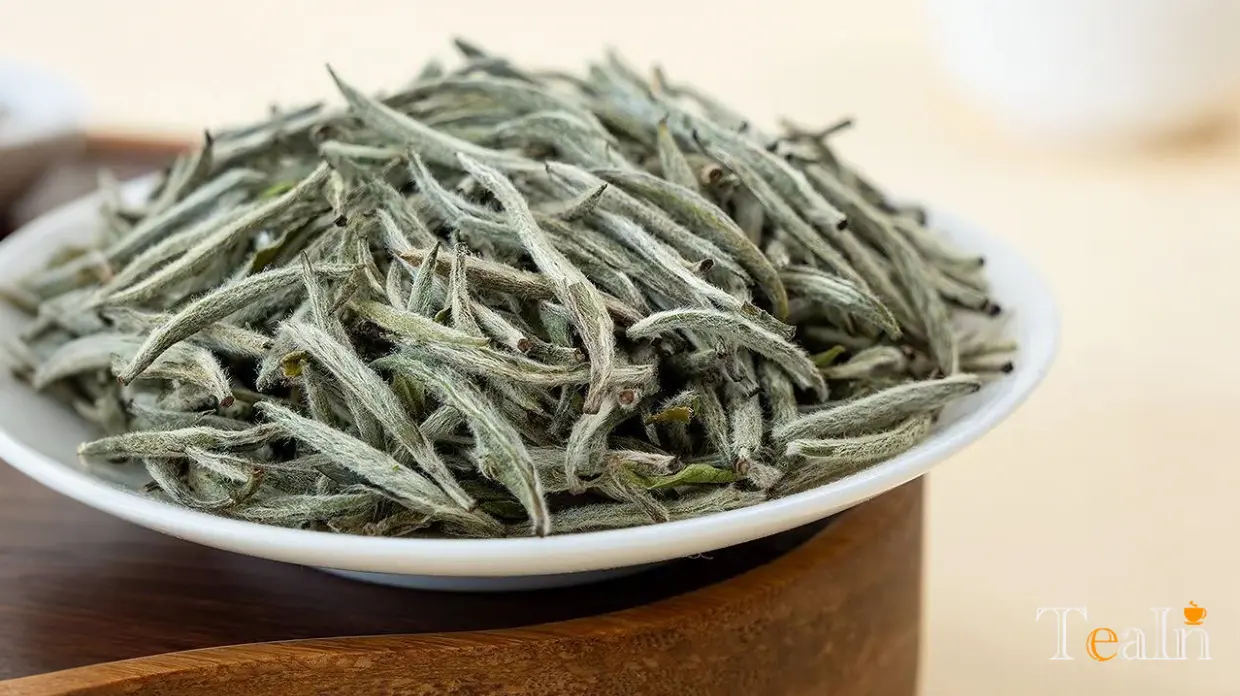
Silver Needle White Tea is divided into "Northern Route" and "Southern Route," with distinct appearances due to different raw materials. Northern Route Silver Needle, made from Fuding Dabai Tea and Fuding Dahao Tea, features plump buds covered in silvery white down, standing straight like needles—known as the "beauty of teas." Southern Route Silver Needle, crafted from Zhenghe Dabai Tea, has slightly slimmer buds often with stems, thinner and sparser down, and a grayish-green hue—dubbed the "talent of teas."
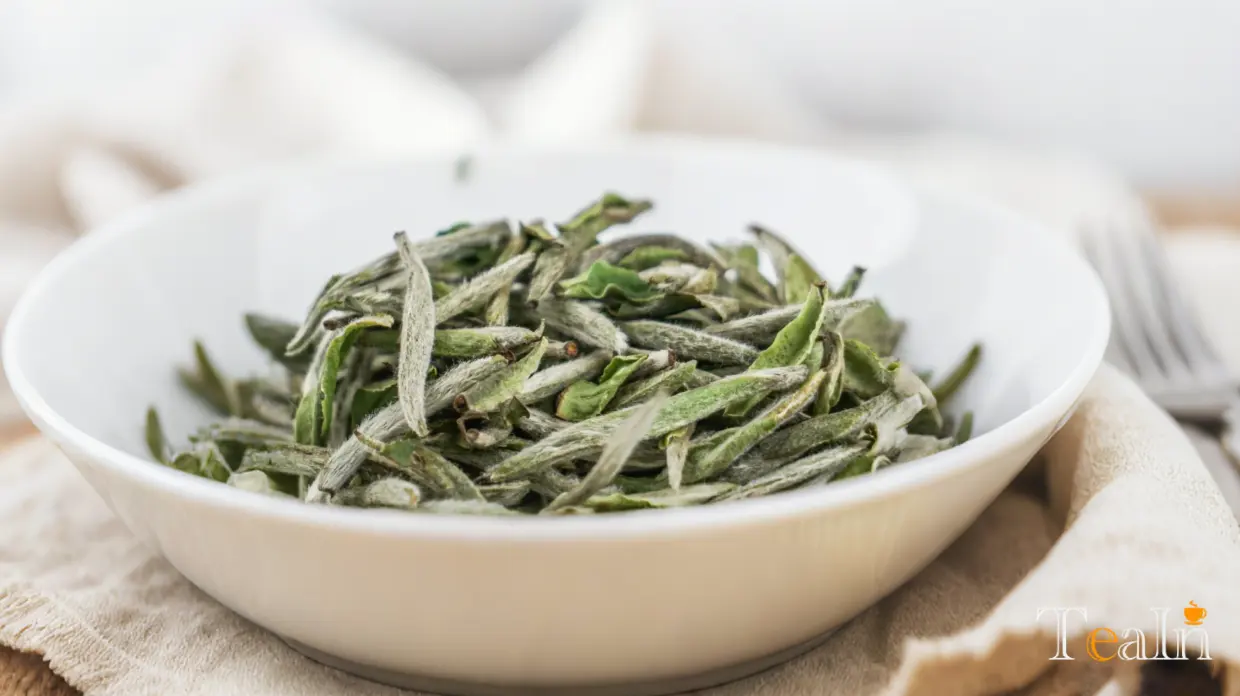
High-quality Silver Needle has strict raw material requirements, following the "Ten No-Pick" rule: no picking on rainy days, when dew remains, or of thin buds, purple buds, wind-damaged buds, manually injured buds, insect-damaged buds, split buds, hollow buds, or curved diseased buds. Only plump single buds are selected to ensure quality from the source. A Silver Needle with thin, short buds, sparse white down, an overly gray color, and messy curved strips lacks the "needle-like" shape and is significantly lower in quality.
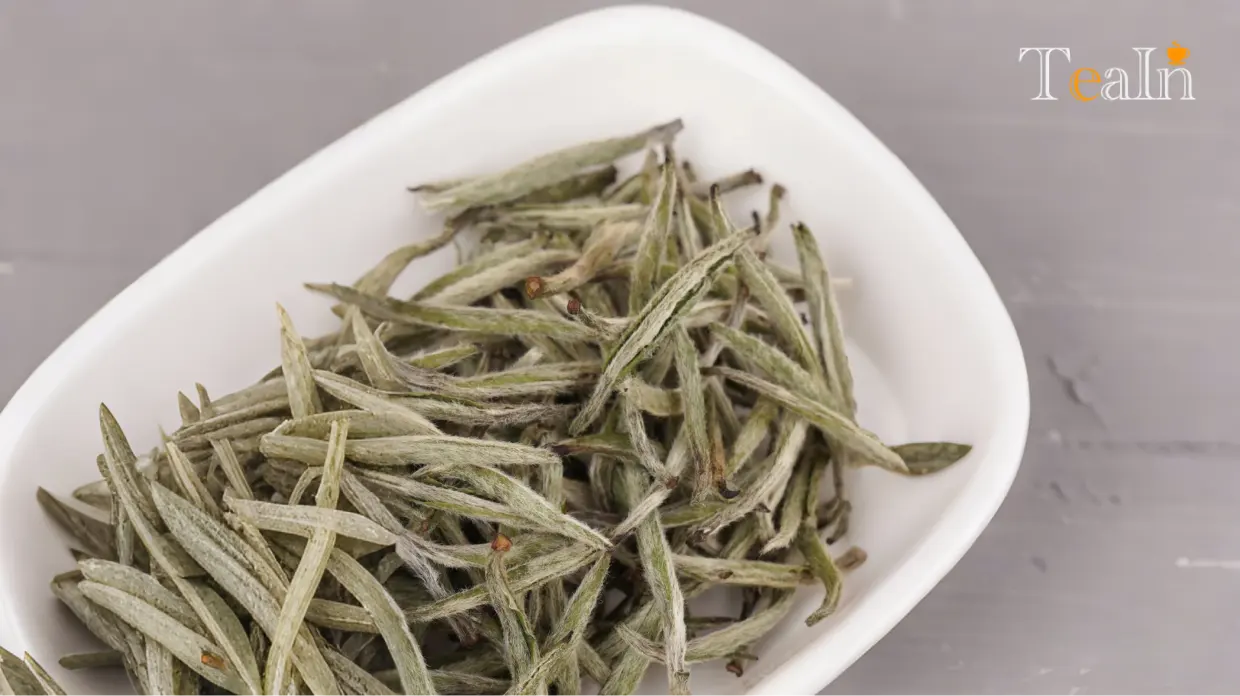
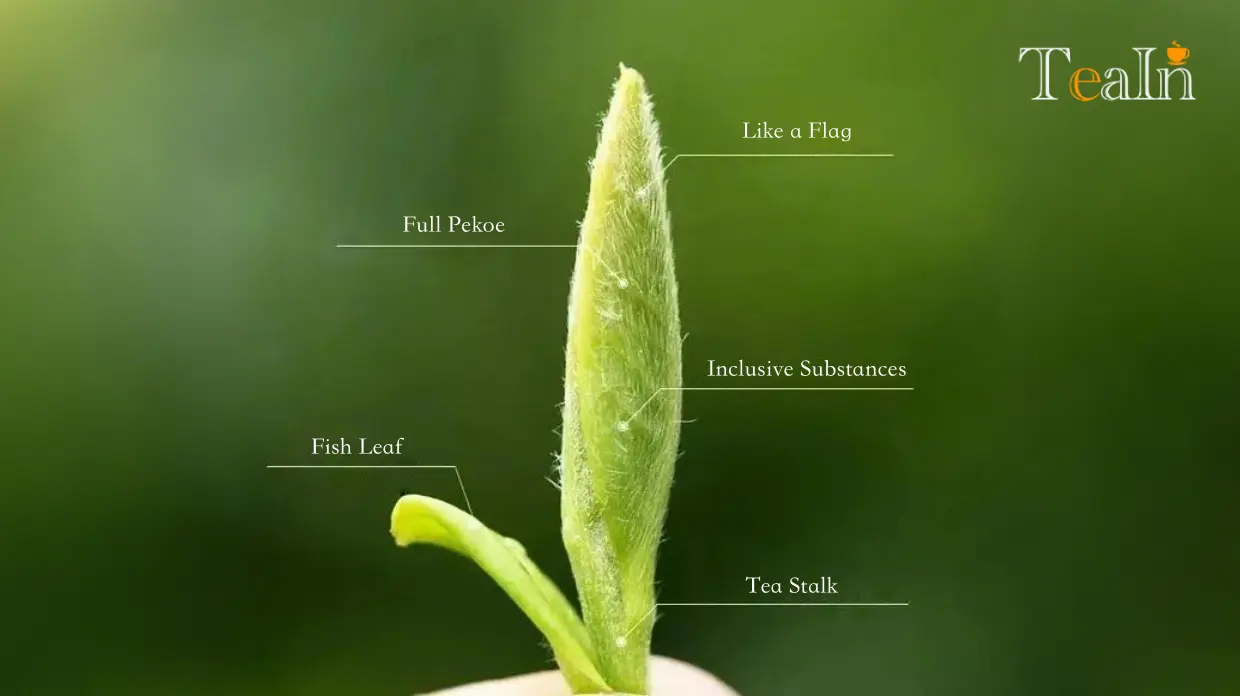
Even aged Silver Needle, after natural oxidation, turns slightly yellow with a hint of grayish-green but still retains its silvery down and needle-like form, with neat strips. Notably, first-picked Silver Needle often has a "fish leaf"—commonly called "one flag and one spear." This does not mean non-pure buds were picked; the fish leaf is merely a protective "shell" for the bud, not a true leaf. Chen Shibin, a national first-class tea taster and intangible cultural heritage inheritor of Zhenghe white tea, noted that the fish leaf is a marker of first-picked Silver Needle. As fish leaves grow early, buds picked in the early season naturally carry them.
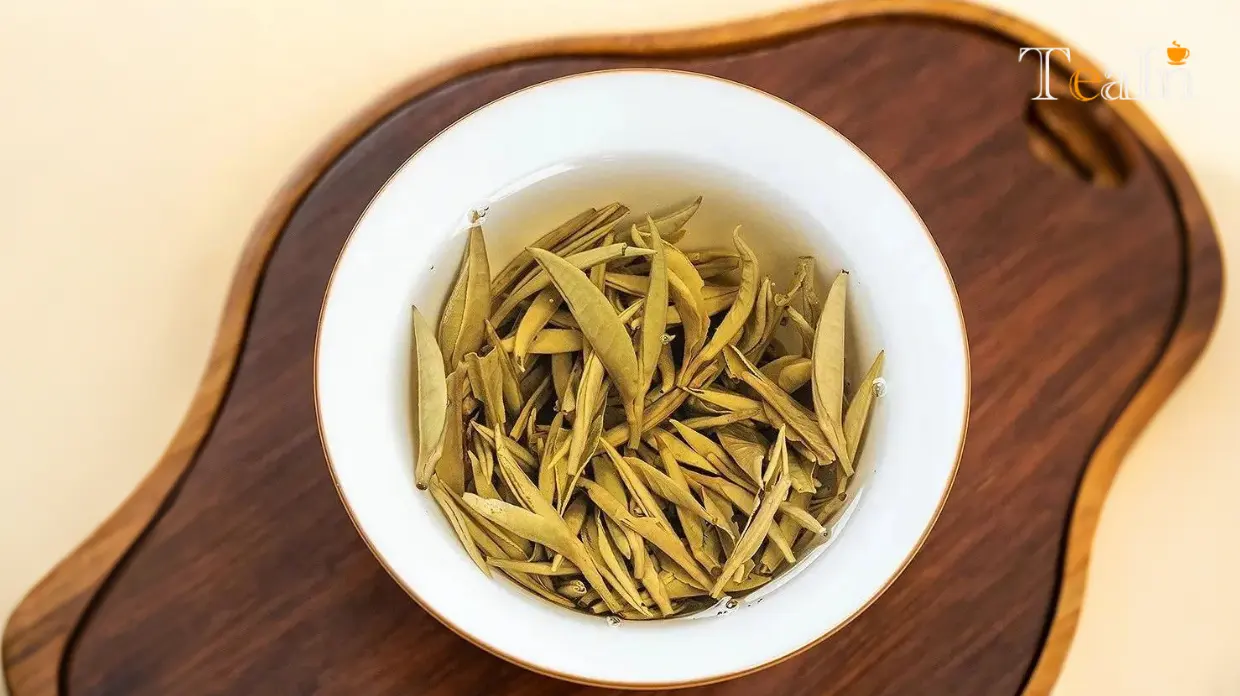
In terms of taste, Fuding and Zhenghe Silver Needle offer unique flavors. Fuding Silver Needle has a bright apricot-yellow liquor, distinct downy aroma with a sweet honey finish, and a fresh, smooth taste with a gentle sweet aftertaste. Zhenghe Silver Needle yields a pale yellow translucent liquor, rich floral aroma, and a full, mellow taste with a unique rice soup texture. Benefiting from Zhenghe's high altitude and large temperature difference between day and night, tea trees grow slowly and accumulate abundant nutrients, making Zhenghe Silver Needle highly brew-resistant—even after 7-8 infusions, the liquor remains rich and mellow.
2. White Peony Tea: The "Aesthetic Favorite" with Freshness and Mellow Taste
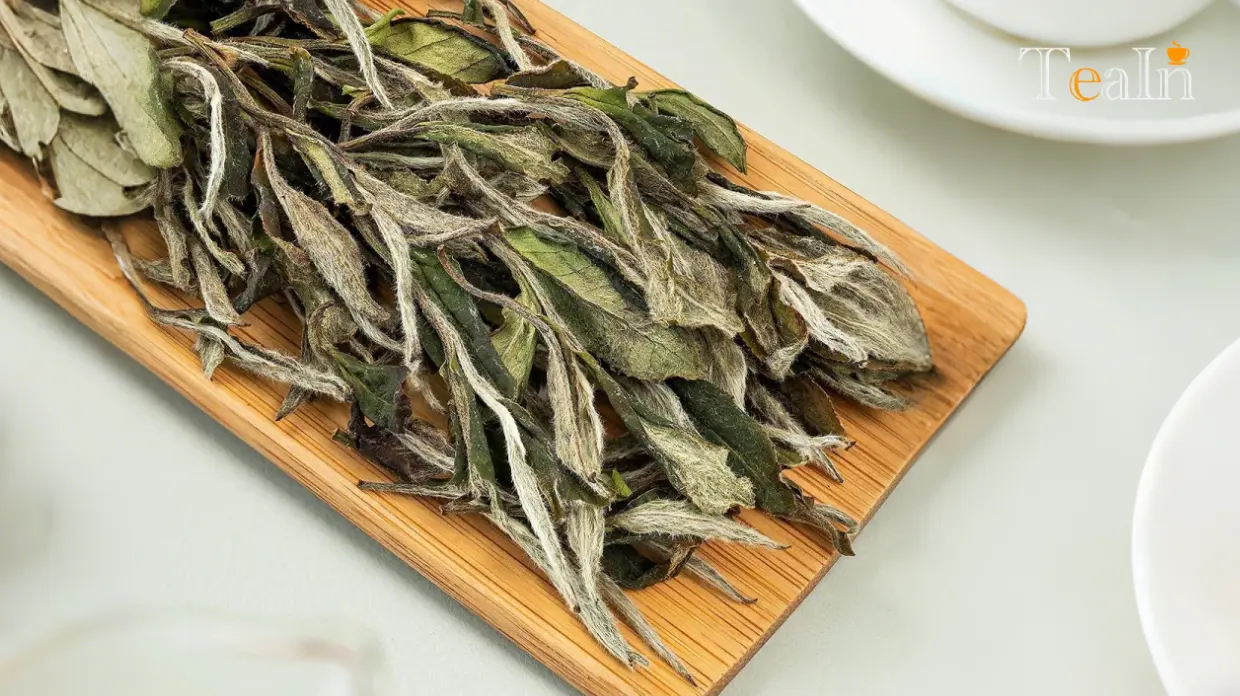
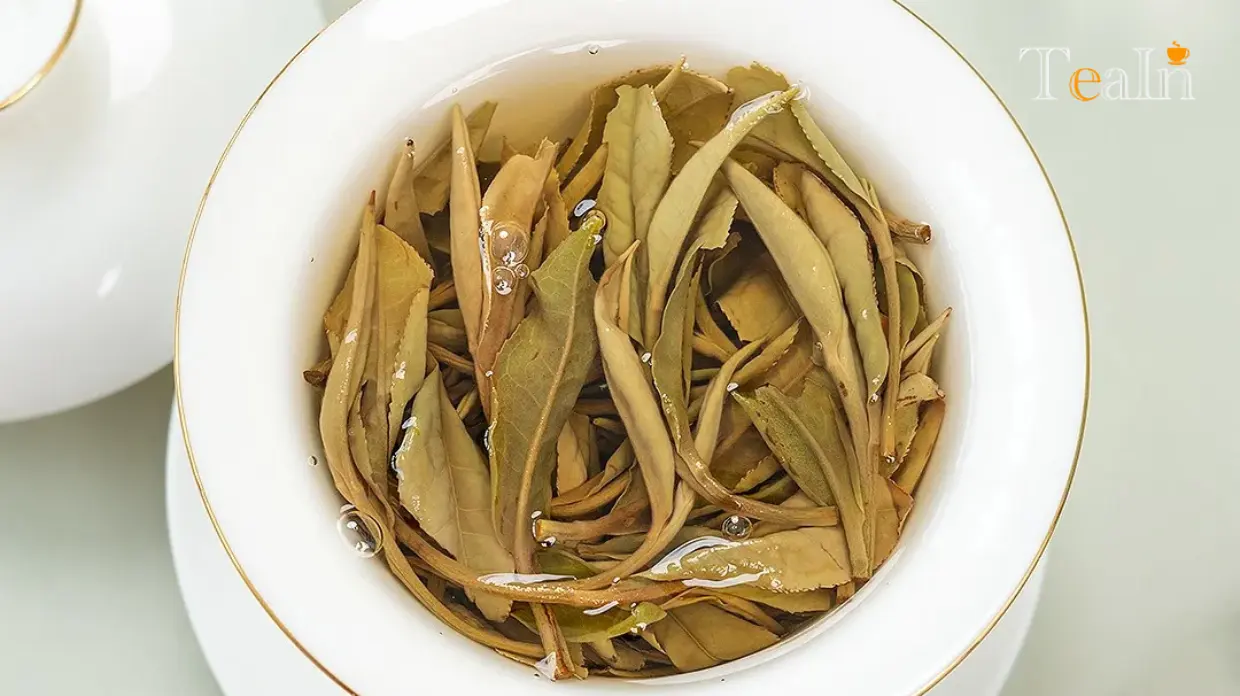
White Peony Tea is made from one bud and one leaf or one bud and two leaves of white tea-suitable varieties in Fuding, Zhenghe, and other regions. It requires plump, tender buds and leaves covered in white down. High-quality dry White Peony features connected buds and leaves, naturally spread leaves, and an elegant appearance. Upon close inspection, top-grade White Peony has plump, silvery white downy buds and tender, fresh grayish-green leaves. After aging, the downy buds turn milky white, and the leaves take on a grayish-brown or grayish-green hue. Thin leaves, indistinct buds, and sparse down indicate a subpar product.
When brewed, high-grade White Peony (with tender raw materials) produces a bright apricot-yellow liquor. It tastes sweet and refreshing, with a blend of downy and floral aromas—retaining the freshness of Silver Needle while adding a mellow texture. As it ages, the liquor becomes smoother and richer, with the aroma shifting from fresh flowers to warm honey, creating more layered flavors.
3. Gongmei Tea: The "Rare and Mild Choice"
Gongmei Tea uses a unique raw material: young shoots of one bud and two to three leaves from the local Xiaocai Tea variety in Fujian’s white tea-producing areas (such as Fuding and Zhenghe). Due to the scarcity and low yield of Xiaocai Tea, Gongmei is also a rare category in white tea.
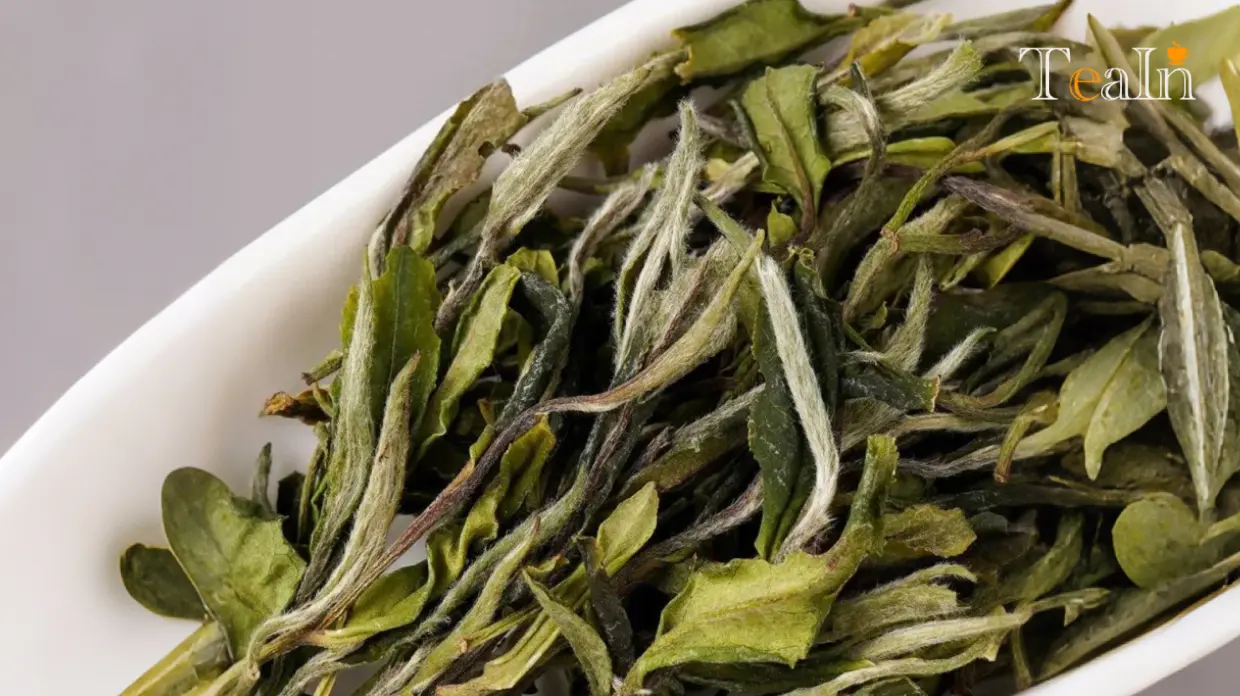
High-quality Gongmei has naturally curled leaf edges, silvery white down, and dark green or grayish-green leaves. This unique color comes from sophisticated processing: during withering, chlorophyll degrades into chlorophyllide (pale blue-green to pale yellow-green) under enzymatic action. During roasting, chlorophyll forms pheophytin (greenish-brown to yellowish-brown) through demagnesization, while polyphenols undergo mild enzymatic oxidation to produce theaflavins. These processes give Gongmei its distinctive appearance of silvery white downy buds and grayish-green leaves.
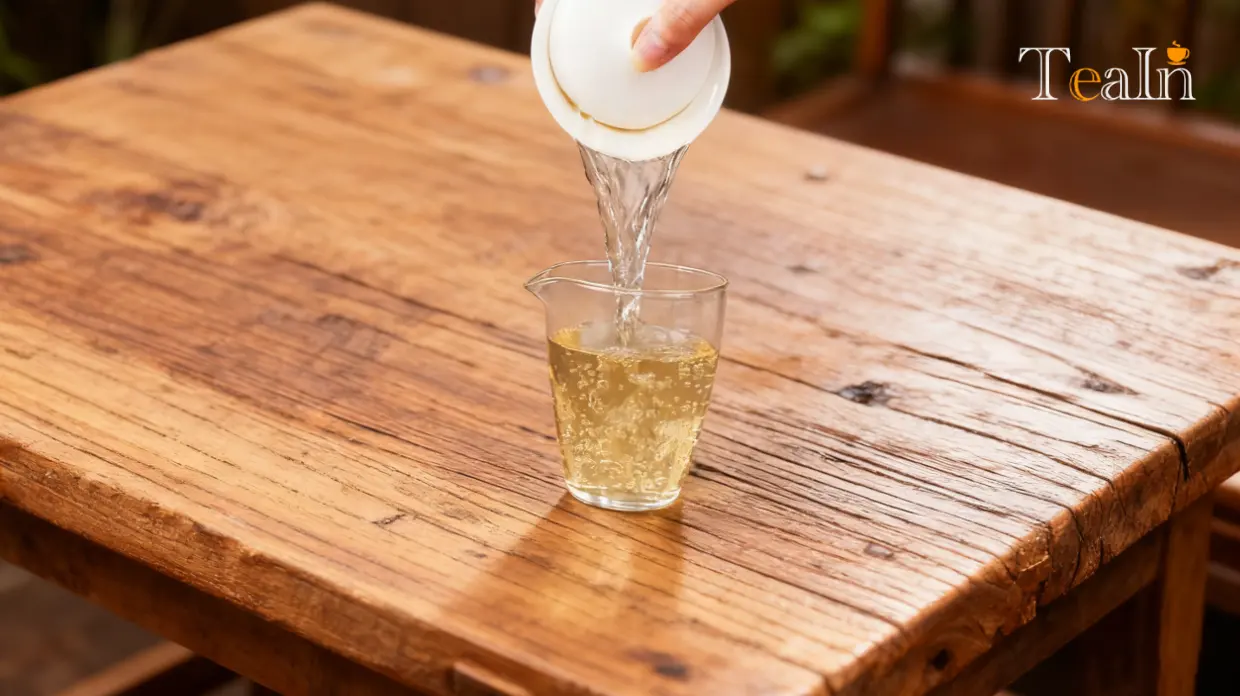
Brewed Gongmei has a bright pale yellow liquor and a fresh floral aroma. It tastes sweet and mellow, soothing the throat. After years of aging, the liquor becomes thicker and more mellow with a prominent honey finish and long-lasting aged aroma—each sip reveals the gentle texture shaped by time.
4. Shoumei Tea: The "Flavor Treasure" Behind Bold Leaves and Stems
Shoumei is picked after Silver Needle and White Peony, made from one bud and three to four leaves. Both spring and autumn Shoumei have obvious stems and broader leaves. However, bold leaves and stems do not mean poor quality—these seemingly "rough" stems are intentionally retained and are key to Shoumei’s unique flavor.
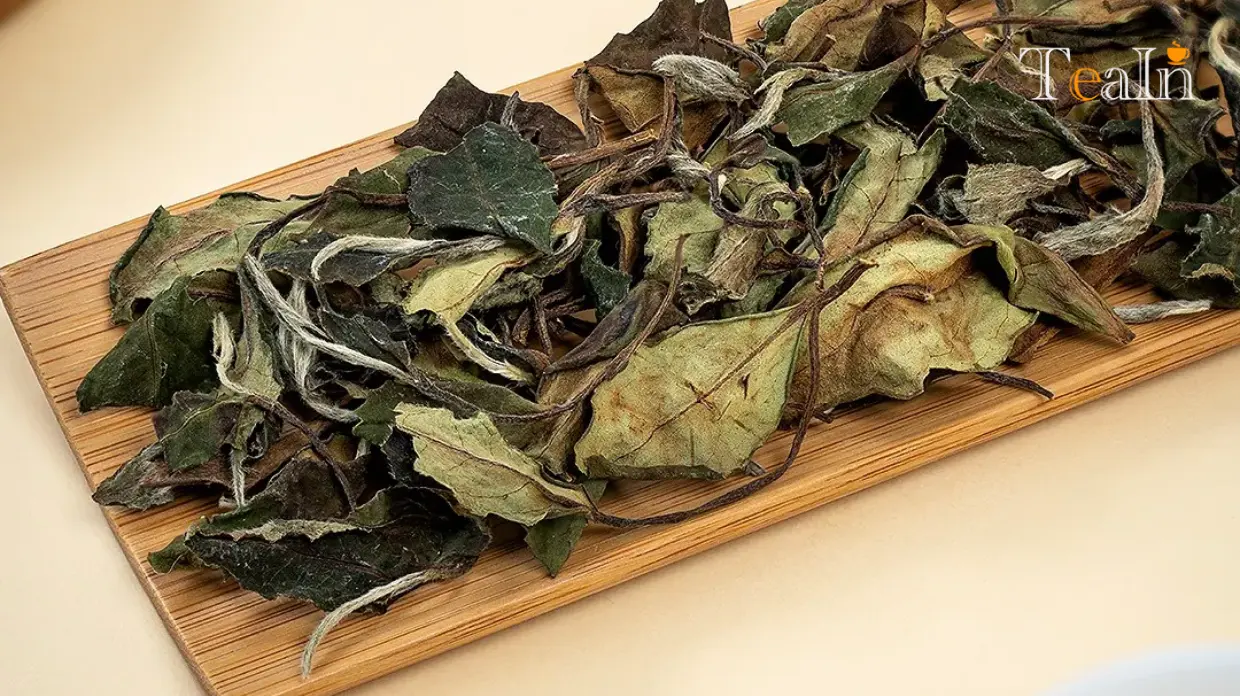
Stems are rich in tea polysaccharides, lignin, and cellulose, which enhance the tea’s sweetness and create a thick, smooth liquor. The taste is mellow and sweet, with intertwined floral and sweet aromas and a lingering aftertaste. Aged Shoumei excels even more: the liquor becomes increasingly thick and smooth, developing complex aromas such as aged, jujube, and herbal notes with rich layers. It is especially suitable for simmering in autumn and winter—simmering fills the room with a rich jujube aroma, and each sip offers a sweet jujube aftertaste that is irresistible.
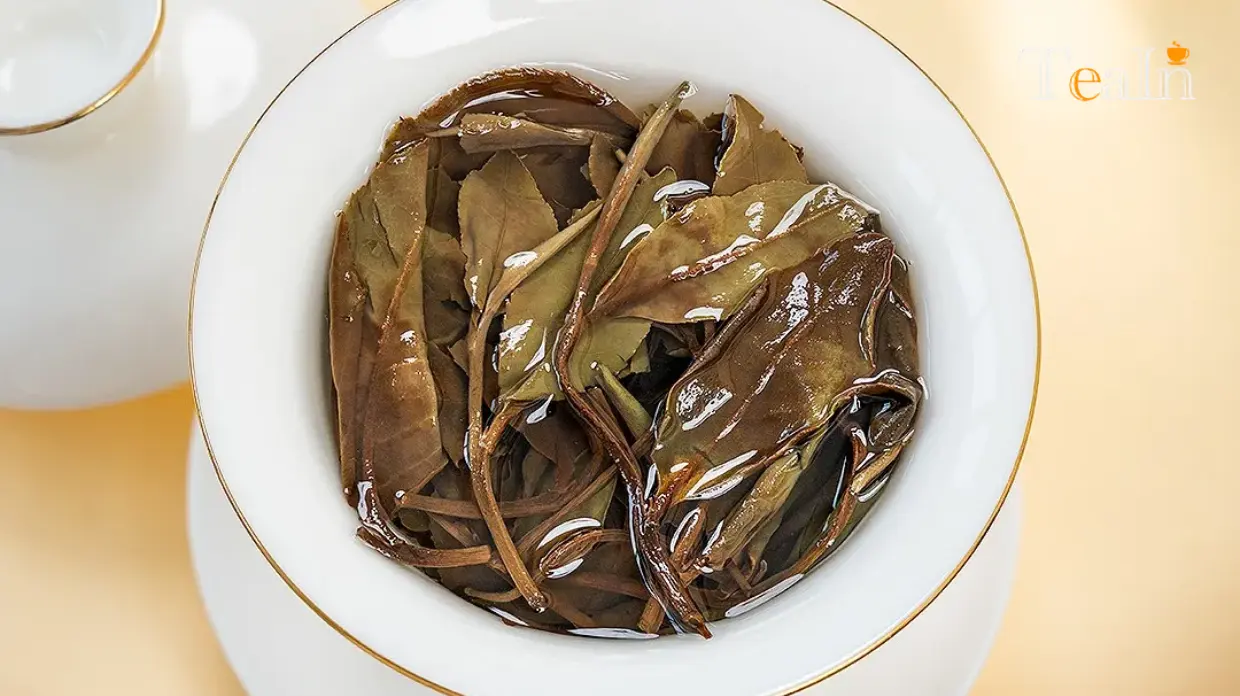
5. Universal Identification Standards: Key Tips to Avoid Low-Quality White Tea
Regardless of grade, high-quality white tea meets consistent standards in appearance, aroma, and taste. Be wary of low-quality tea if you notice the following:
Appearance: If the dry tea or brewed wet leaves are broken, incomplete, dull and messy, or have burnt red edges, the tea is likely made from inferior raw materials or flawed processing, with unreliable quality.
Aroma: High-quality white tea has a pure, natural aroma—fresh downy and floral notes for new tea, and aged or jujube notes for old tea. A faint, impure aroma, or hints of mustiness or over-fermented stale smell, may result from over-withering, over-drying during processing, or damp storage.
Taste: Good white tea tastes either fresh and sweet or rich and mellow with a noticeable aftertaste. A rough texture, overwhelming bitterness, or bland "watery" taste indicates substandard withering or drying during production—this is not high-quality white tea.
Distinguishing white tea’s quality does not require complex equipment or professional expertise. By "observing appearance, smelling aroma, and tasting taste," combined with the unique characteristics of each category, you can make an accurate judgment. May every tea lover develop a discerning eye to easily select their ideal high-quality white tea and savor the purity and gentleness of white tea in every cup.