
How to Identify High-Year Aged White Tea? Core Quality Judgment Guide
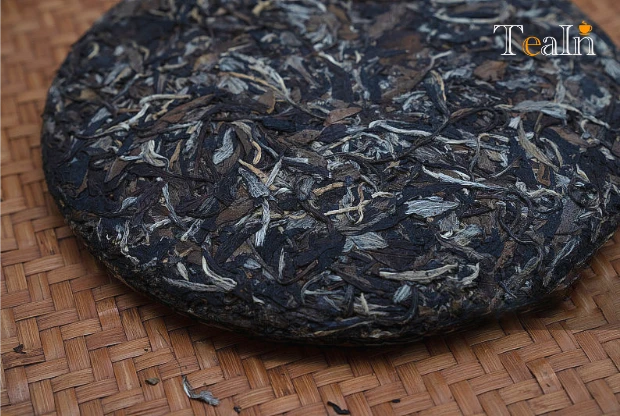
Many tea lovers fall into the trap of thinking "the darker the color, the older the tea" when selecting high-year aged white tea. Some even mistake deep black tea cakes for premium aged white tea. However, the opposite is true. The core criterion for identifying truly high-year quality aged white tea is not a single indicator of color depth, but a comprehensive assessment of dry tea, tea liquor, taste, infused leaves, and other dimensions. Combining the aging rules of aged white tea and practical identification experience, this article details the identification methods from five core dimensions, helping tea lovers avoid artificially aged tea traps and select genuine high-quality aged white tea.
I. Dry Tea Appearance: Rich Layered Colors, Beware of Uniform Deep Black
The color of high-year aged white tea’s dry leaves is a "naturally transformed multi-color palette" rather than a uniform deep black, making it the foundation for judging quality and age.
1. Color Characteristics
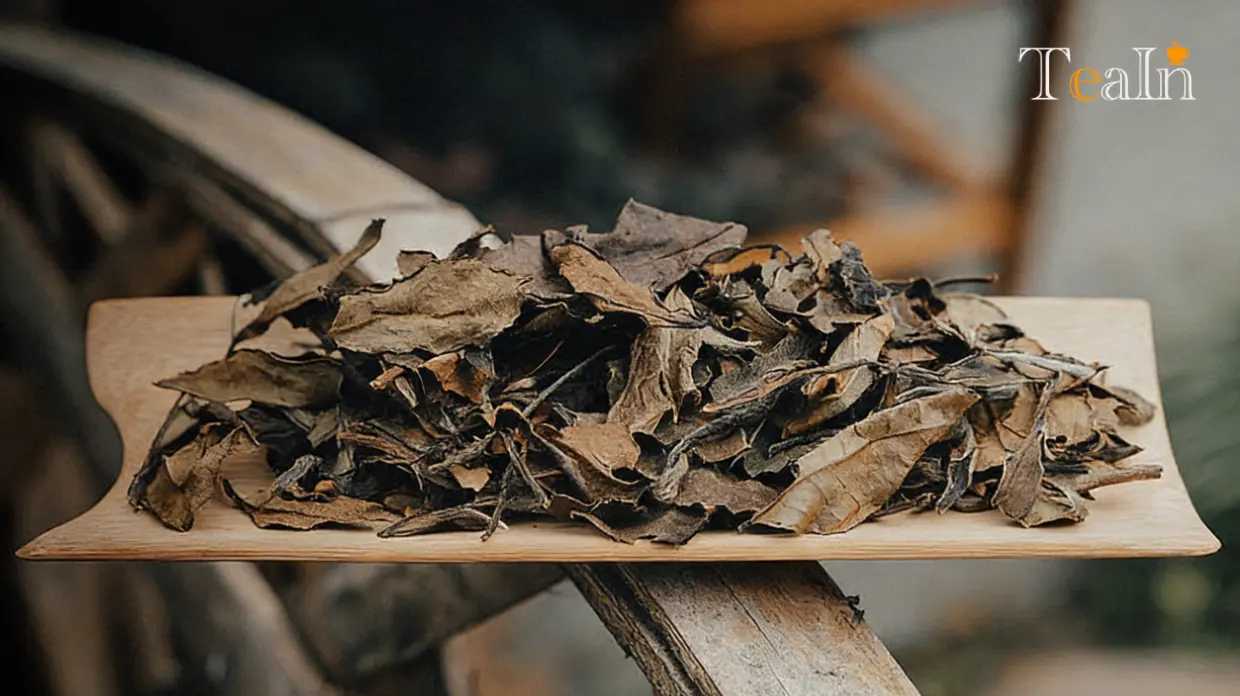
High-quality high-year aged white tea (such as aged Shoumei) exhibits natural layered colors, mainly yellowish-green, yellowish-brown, brown, and bronze. Scattered yellow leaves on the surface—an iconic feature—form because mature tea leaves have rich waxy content that locks in pigments during long-term aging, resulting in a yellowish-green hue over time. In addition to these tones, multiple colors like tan and antique brass may also appear on the tea cake.
Artificially aged tea uses forced methods like high-temperature drying or wet piling to mimic "old age." Such tea cakes often show a uniform deep black or ink black color without natural layers, and may even contain charred brown leaves from carbonization.
2. Strip and Luster
Dry tea strips of high-year aged white tea should be intact and compact. Even after long-term aging, they should not easily crumble and feel resilient when gently squeezed. The surface has a natural warm luster, not dull or excessively shiny (excessive shine may indicate oil added for artificial aging).
If the dry tea strips are loose with many crumbs, or have a dull gray luster, the tea is either improperly stored (damp) or artificially aged, indicating poor quality.
II. Tea Liquor Performance: Clear and Translucent, Warm Color Without Turbidity
Tea liquor directly reflects the internal quality of aged white tea. High-year aged white tea’s liquor has a distinct "aged texture" beyond mere color depth.
1. Liquor Color
High-year aged white tea (over 5 years) typically has a amber, orange-red, or deep orange-yellow liquor. The color is rich but not turbid, with obvious transparency under light. As the number of brews increases, the color gradually lightens but remains clear, without dullness, turbidity, or stratification.
Artificially aged tea may have a dark brown or black liquor with poor transparency, often appearing turbid. Floating colored foam may even form on the surface after brewing.
2. Liquor Texture
High-quality high-year aged white tea has a "silky smooth" mouthfeel. When poured, it clings to the cup noticeably and flows slowly. In contrast, artificially aged or low-quality aged white tea may have thin liquor without cup cling, or a stagnant taste due to astringency.
III. Taste and Aroma: Pure Aged Aromas, No Off-Tastes or Astringency
The core charm of high-year aged white tea lies in its "aged aroma and warm taste," making this the key dimension for identifying authenticity.
1. Aroma Characteristics
Naturally aged high-year white tea features dominant aromas of jujube, medicinal herbs, wood, and aged tea. The aroma is pure and long-lasting, releasing slowly after brewing without pungency or off-tastes. Aromas vary slightly by variety: aged Shoumei has richer jujube and medicinal notes, Bai Mudan retains a hint of sweet floral aroma, and Baihao Yinzhen has a milder, more restrained aged scent.
Artificially aged tea has muddled aromas, possibly including burnt, moldy, sour, or chemical odors. The aroma fades quickly, disappearing after 2-3 brews and being replaced by off-tastes.
2. Taste Performance
The core taste of high-year aged white tea is "warm, mellow, and with obvious lingering sweetness." It has no raw astringency when sipped. As the liquor lingers in the mouth, the natural sweetness from soluble sugars is noticeable. After swallowing, there is a long-lasting sweet aftertaste and saliva production. The tea is mild in nature and does not irritate the stomach or intestines.
If the taste is bitter, astringent, or numbing, it is likely artificially aged tea (excessive transformation of tea polyphenols from high temperature or wet piling) or tea deteriorated from dampness during storage.
IV. Infused Leaves Condition: Flexible and Active, No Soggy or Blackened Texture
Infused leaves are a "hidden indicator" for judging the raw material and aging state of aged white tea. High-quality high-year aged white tea’s infused leaves retain flexibility and vitality.
1. Color of Infused Leaves
The color of brewed leaves should align with the dry tea, showing yellowish-brown or reddish-brown tones. The color is uniform with a natural luster, without large areas of blackening or dullness. Aged Shoumei’s infused leaves are darker due to mature raw materials but still maintain a natural texture.
Artificially aged tea’s infused leaves are mostly deep black or dark brown, uneven in color. Some leaves may be carbonized or soggy, lacking natural luster.
2. Flexibility and Texture
Gently rubbing the infused leaves between fingers, high-quality high-year aged white tea should feel flexible and elastic, not easily crumbling, with a noticeable fibrous texture. If the infused leaves are soggy and fragile, turning to pulp when rubbed, the tea has poor raw material quality or deteriorated from dampness during aging—not genuine high-year aged white tea.
V. Storage Background: Proper Storage Is the Premise of Quality
The "aging value" of high-year aged white tea depends on standardized storage conditions. When identifying, it is also important to check the storage background to avoid purchasing "fake aged tea."
1. Storage Environment Requirements
Truly high-year aged white tea must be stored in a dry, well-ventilated, dark, odorless, and temperature-humidity controlled environment. Common storage methods include sealed bags + purple clay jars or aluminum foil bags + cartons, preventing dampness, mold, or absorption of off-odors.
If the seller cannot provide reasonable storage proof, or the tea cake has a distinct damp or moldy smell, even if it appears "aged," it may be artificially aged or low-quality tea from improper storage.
2. Brand and Traceability
High-year aged white tea produced by reputable brands will have clear production dates, batch numbers, storage instructions, and some even offer traceability queries. "Three-no" aged white tea (no brand, no label, no information) carries a high risk of artificial aging and is not recommended for purchase.
Common Identification Mistakes
- Mistake 1: Judging solely by color depth. Uniform deep black tea cakes are mostly artificially aged; high-quality aged white tea has rich layered colors.
- Mistake 2: Pursuing "the older the more fragrant" while ignoring storage. Aged white tea stored improperly will deteriorate over time, losing quality.
- Mistake 3: Confusing "aged aroma" with "off-tastes." Aged aroma is pure jujube, medicinal, or woody scent; moldy, burnt, or sour smells are off-tastes indicating low-quality tea.
Summary
This article focuses on "how to identify high-year aged white tea," with the core conclusion that identification cannot rely solely on color depth. Instead, it requires a comprehensive assessment of five dimensions: dry tea, tea liquor, taste, infused leaves, and storage background. High-quality high-year aged white tea features dry tea with rich layered colors (yellowish-green, brown, etc.), intact and shiny strips; amber or orange-red, clear and silky tea liquor; warm and mellow taste with pure aged aromas (jujube, medicinal) and obvious lingering sweetness; flexible and naturally colored infused leaves; and standardized storage conditions. It is crucial to be wary of artificially aged tea with uniform deep black color, muddled aromas, and soggy infused leaves. Avoid the trap of "darker color = older age" and select genuine high-quality high-year aged white tea through multi-dimensional verification.