
How to Judge High-Quality Aged White Tea
Judging the quality of aged white tea may seem straightforward but hides subtle nuances. For tea lovers, a cup of high-quality aged white tea is not just a treat for the taste buds, but a pursuit of life’s texture. Matured over time, its flavor and value can only be perceived through careful observation and tasting. Below are 8 core aspects to help you break down practical methods for selecting premium aged white tea, avoiding pitfalls and finding your ideal brew.
1. Appearance: Dry Tea’s Color and Shape Reveal Basic Truths
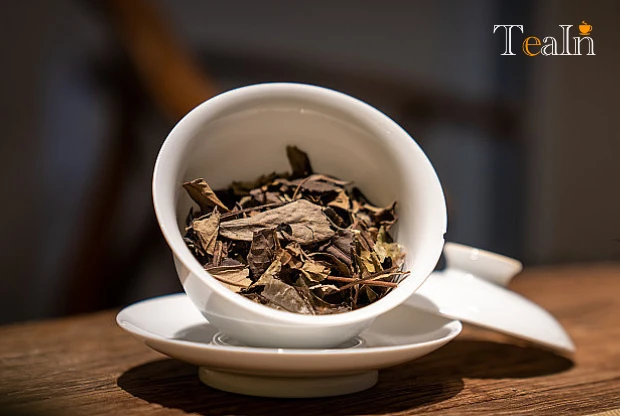
High-quality aged white tea boasts a natural, harmonious dry color. Common hues like dark brown, yellowish brown, or taupe transition smoothly, with no abrupt bright patches or artificially aged dull blackness. Naturally aged tea undergoes even pigment changes, while artificially accelerated aging results in stiff, unnatural coloring.
Shape is equally crucial. Leaves should be intact (not crumbled) with plump, thick buds that feel natural to the touch. Stems are moderately thick and firm to the touch, not dry and brittle enough to snap easily. Bits of debris or dust are rare. For compressed tea cakes, the density must be balanced: gently squeezing should not cause breakage or crumble. Overly hard cakes are difficult to brew (flavors won’t release), while overly loose ones absorb moisture easily and spoil. Loose-leaf aged white tea should have distinct, non-clumping strips—visually neat and dry to the touch.
2. Aroma: Pure, Layered Scents Signal Quality
Aroma is the "spiritual calling card" of aged white tea. Changes in scent from dry leaves to brewed tea directly reflect quality. In its dry state, premium aged white tea emits a natural aged aroma. Those aged 3–5 years may carry sweet honey notes, while those aged over 5 years often reveal warm herbal (similar to dried herbs) or rich jujube fragrances. These scents are mild and restrained, not sharp or overwhelming—products of gradual transformation over time.
Beware of musty, sour, burnt, or chemical odors, which usually stem from poor storage or artificial aging. After brewing, the aroma must stand the test: it should be rich, deeply integrated with the tea soup, linger in the mouth while sipping, and leave a long aftertaste. Even after multiple infusions, the aroma should release steadily—not fade drastically after the first brew. This layering is a hallmark of high-quality aged white tea.
3. Tea Soup: Clarity and Richness Are Core Tasting Standards
The tea soup is the central link in judging aged white tea quality. Both color and taste expose the tea’s true caliber. Premium aged white tea soup is always clear and translucent. Common shades of amber, orange-red, or deep yellow grow warmer with age, but never appear cloudy, dull, or dotted with floating impurities. Held up to light, the soup should look transparent, with no residue or sediment on the cup walls.
On the palate, it should be smooth with no astringency, carrying natural sweetness. After swallowing, a lingering sweet aftertaste slowly spreads in the mouth—long-lasting and not cloying. Bitterness or sourness indicates poor quality, possibly from inferior raw materials, flawed processing, or damp storage. Additionally, high-quality aged white tea has exceptional brew endurance. Even brewed 3–5 times with water around 95°C, the aroma and taste remain full without significant decline—supported by the tea’s abundant internal nutrients.
4. Wet Leaves: Post-Brew State Exposes Processing and Storage
Many overlook the wet leaves after brewing, but they are "hidden evidence" of the tea’s processing craftsmanship and storage conditions. Premium aged white tea has uniformly colored wet leaves, mostly dark brown or yellowish brown, with no patchy light or dark areas. Gently kneading a leaf reveals softness and elasticity—quick to bounce back, not crumbling or mushy.
Wet leaves should show no signs of rot or charring. Distinctly visible leaf veins are key: intact veins indicate the raw materials were picked at the right maturity and not overheated during processing. Blurred veins or blackened leaves may result from damp mold during storage or excessive roasting that damages the tea structure. Wet leaves also indirectly reveal natural aging: naturally aged leaves are soft and glossy, while artificially aged ones appear dry and lifeless.
5. Age and Storage: Determine Flavor and Value
The saying "aged white tea improves with age" holds true only with genuine age and scientific storage. The market is rife with mislabeled ages—tea claiming to be "10-year-old aged white tea" may only be 3 years old. Thus, don’t rely solely on the printed age; verify comprehensively through aroma, tea soup, and wet leaves. For example, a tea labeled 10 years old with a pale soup and no obvious herbal aroma is likely under-aged.
Storage conditions are even more critical. Premium aged white tea requires aging in a dry, well-ventilated, odor-free environment with humidity below 50%. Avoid direct sunlight, high temperature/humidity, or storage with odorous items. Even high-quality raw materials turn bad with improper storage, developing musty or off flavors. When buying, ask the seller about storage methods and request photos/videos of the storage environment. Quality aged white tea is often stored in ceramic jars, purple clay pots, or well-sealed aluminum foil bags to block moisture and odors.
6. Brand and Origin: Key References to Reduce Selection Risks
Reliable brands and core production areas provide dual guarantees for aged white tea quality. Fuding and Zhenghe in Fujian Province are the golden regions for white tea. Their mild climate and mineral-rich soil help tea trees accumulate abundant nutrients, resulting in richer flavors after natural aging. Fuding’s aged white tea often carries jujube or herbal notes, while Zhenghe’s leans toward sweet, mild tones—each reflecting unique terroir.
When choosing a brand, prioritize reputable sellers with consistent reviews. These brands implement strict standards for raw material selection and aging management, avoiding shoddy products. You don’t need to chase "luxury brands," but avoid "three-no products" (no origin, no production date, no inspection report). Many niche brands specializing in white tea focus more on aging details, offering cost-effective premium aged white tea.
7. Price: A Reasonable Range Reflects Quality Indirectly
The price of high-quality aged white tea inevitably matches its raw material, processing, and aging costs. Natural aging requires warehouse space and time, while high-quality raw materials and production demand higher costs. Thus, be extra cautious of overly cheap aged white tea. "10-year-old aged white tea" sold for dozens of yuan is likely made from inferior leaves and artificially aged—poor in flavor and potentially containing harmful substances from improper storage.
However, higher price doesn’t equal better quality. A reasonable price range usually reflects the tea’s true value. For example, high-quality loose-leaf aged white tea aged 3–5 years typically costs several hundred yuan per jin (500g). Aged white tea from core regions with over 10 years of aging is more expensive but guaranteed in quality. When buying, compare prices of similar products with the same age. If a tea’s price is far below the market average, proceed with caution. If it’s overly expensive without supporting origin or aging certificates, it may be overpriced due to hype.
8. When in Doubt: Professional Tasting Avoids Pitfalls
If you lack experience or encounter aged white tea with unclear age and quality, consulting experienced tea lovers or professional tea masters is an efficient solution. With years of tasting experience, they can detect quality signals from subtle details: judging natural aging from slight aroma differences, perceiving nutrient richness from the speed of aftertaste, and assessing processing quality from wet leaf elasticity.
Many regular tea shops or white tea brands offer tasting services—you can brew and taste on-site before purchasing. Additionally, participating in white tea tasting events or joining tea lover communities helps accumulate experience and gradually form your own judgment standards. Professional advice saves you from detours, but the final choice should align with your taste preferences. After all, the best tea is the one that suits your palate.
Selecting high-quality aged white tea hinges on eight core steps: check appearance, smell aroma, taste tea soup, examine wet leaves, verify age, choose origin, review price, and seek professional advice. This process requires no rush. By comparing and tasting more teas, you can find the one that meets quality standards and resonates with your preferences amid the time-honored fragrance. When you finally savor a cup of premium aged white tea, its warm, mellow flavor is the finest reward from time and craftsmanship.