
Is an Iron Kettle Suitable for Simmering Aged White Tea? Core Reasons for Not Recommending It
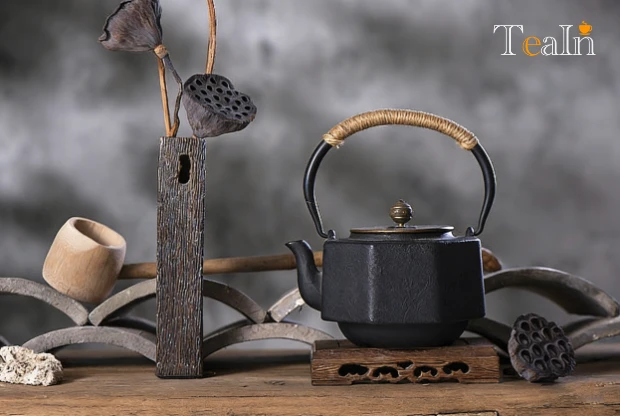
In choosing utensils for simmering aged white tea, iron kettles often draw attention for their rustic appearance and excellent heat retention. However, many tea lovers find that the taste and color of the tea liquor are affected after use, and there may even be potential health risks. Combining the aging characteristics of aged white tea and the material flaws of iron kettles, the core conclusion is clear: iron kettles are not suitable for simmering aged white tea. Based on tea properties and practical experience, this article details the reasons for not recommending iron kettles from four dimensions—material conflict, quality impact, safety hazards, and usage limitations—while providing scientific recommendations for alternative utensils to help tea lovers avoid mistakes and restore the authentic flavor of aged white tea.
I. Core Conflict Between Material and Tea Liquor: Iron Ions Damage Flavor and Color
The core charm of aged white tea lies in its mellow taste and translucent liquor color, which directly conflicts with the material properties of iron kettles—this is the primary reason for the recommendation against use.
Iron kettles are made of cast iron. During high-temperature simmering, iron ions are released from the kettle wall. These ions react chemically with core components in aged white tea, such as tea polyphenols, thearubigins, and tannins. This reaction darkens the tea liquor to a deep black, robbing it of the characteristic amber or orange-red translucency of aged white tea. The originally mellow and sweet liquor develops a subtle metallic taste, masking the natural aged aromas of aged white tea, such as jujube, medicinal, and woody notes.
After long-term aging, the components of aged white tea undergo gentle and balanced transformation, making them highly sensitive to external interference. The introduction of iron ions disrupts this balance, resulting in a harsh taste and reduced smoothness, turning the originally silky liquor into a stagnant one and severely compromising the tasting experience.
II. Rust Risk: A Hidden Threat to Tea Liquor Quality
Another fatal flaw of iron kettles is their tendency to rust, and the impact of rust is often overlooked.
Simmering aged white tea requires boiling water. When an iron kettle is continuously exposed to water and oxygen, rust easily forms in hidden areas such as the inner wall and spout. This rust is not only difficult to clean thoroughly but also flakes off into the tea liquor during simmering. Rust itself has an off-taste that contaminates the tea, affecting its purity and leaving a rough texture.
More importantly, long-term ingestion of rust may cause mild irritation to the gastrointestinal tract. For tea lovers focused on health and wellness, this hidden risk further reduces the feasibility of using iron kettles for simmering aged white tea. Even iron kettles treated with an initial "seasoning" process will eventually show signs of rust with prolonged use, and this problem cannot be fundamentally avoided.
III. Usage Limitations and Safety Hazards: Uncontrollable Simmering and Unknown Risks
1. Opaque Design Leads to Uncontrolled Simmering
Simmering aged white tea requires adjusting time based on changes in liquor color to avoid over-simmering, which causes bitterness. However, iron kettles are completely opaque, making it impossible to observe the state of tea leaf unfurling or liquor color changes inside. Users can only judge time based on experience, leading novices to frequently over-simmer or under-simmer, making it difficult to achieve the optimal flavor.
2. Tedious Maintenance and Easy-to-Ignore Details
Iron kettles demand high maintenance. After each use, they must be thoroughly dried to prevent rust in humid environments. For long-term storage, additional rust-proofing steps such as applying tea oil are required—these tedious procedures are impractical for daily tea drinkers. A single oversight can compromise the kettle’s usability.
3. Health Risks from Non-Standard Products
The quality of iron kettles on the market varies greatly. Non-standard iron kettles may contain harmful impurities such as lead and cadmium. These impurities leach into the tea liquor during high-temperature simmering, posing potential health risks with long-term consumption. Ordinary consumers struggle to distinguish the material purity of iron kettles, leading to inherent risks in selection.
IV. Recommended High-Quality Utensils for Simmering Aged White Tea
Compared to iron kettles, the following utensils are better suited for simmering aged white tea, preserving its flavor and quality to the greatest extent:
1. Glass Kettles
Borosilicate glass kettles are transparent, allowing clear observation of liquor color changes and tea leaf unfurling, facilitating precise control of simmering time. Their stable material does not react with the tea liquor, leaving no off-tastes and restoring the authentic flavor of aged white tea. Heat-resistant and shatterproof, borosilicate glass is easy to clean, making it a common top choice for simmering aged white tea—especially for novices.
2. Clay Teapots
Purple clay teapots offer moderate breathability and excellent heat retention, enabling slow extraction of components in aged white tea for a mellow, smooth liquor. They also lock in natural aged aromas, enhancing flavor layers. Rough clay teapots are affordable, made of natural, odorless materials, and suitable for daily slow simmering and tasting. However, it is crucial to select high-quality products without glazes or additives.
3. Silver Kettles
Silver kettles feature stable material, fast heat conduction, and no chemical reactions with tea liquor, preserving the pure flavor and translucent color of aged white tea. Their uniform heat distribution ensures thorough heating of the tea, resulting in a silky, sweet liquor—ideal for tea lovers pursuing high-quality experiences, though they come at a relatively higher price.
Summary
This article focuses on the core question "Is an iron kettle suitable for simmering aged white tea?" and concludes that iron kettles are not suitable. Key reasons include: iron ions released from iron kettles react with tea components, damaging liquor color and flavor; iron kettles are prone to rust, which impairs tea purity and taste; their opaque design leads to uncontrolled simmering, maintenance is tedious, and non-standard products pose health risks. The mellow taste and natural aged aromas of aged white tea require stable, safe utensils to fully express. Recommended alternatives include borosilicate glass kettles, purple clay teapots, and silver kettles. The article emphasizes that choosing suitable simmering utensils is critical to restoring the authentic flavor of aged white tea, and the material and usage flaws of iron kettles make them unable to meet the requirements of simmering aged white tea, so they should be avoided.