
Is Expensive White Tea Better? What Your Money Really Buys (and Doesn't)

As a practitioner in the white tea e-commerce business, I often encounter some customers who stare at the price tag of new-harvest Silver Needle, pause for a moment, and then ask whether the cheaper tea next to it basically tastes no different from it.
Or, some customers will pick up a cake of aged Shou Mei and ask, "This tea is so cheap, so it certainly can't be very good, right?"
These customers' doubts are actually the same confusion, namely whether price is the only standard for judging whether a tea is good or bad. For these customers, I always tell them that the price tag itself explains nothing.
The price of tea is composed of fresh leaf raw materials, manual labor, land of origin, storage years, packaging, and brand premium. Sometimes it even contains inflated water. In this article, I will break down tea prices and tell everyone which parts of the money are actually worth spending.
Where Expensive Tea Gets Its Price
The prices of Silver Needle and Shou Mei are vastly different, even if they come from the same tea mountain and the same year. What determines this price difference is mainly that different parts of the tea plant are picked, which is caused by scarcity, not a merchant's marketing gimmick.
The window for picking spring tea buds is very short, and all picking relies on manual labor. A tea farmer may only be able to fill a small basket with buds in one morning.
Moreover, the picked buds need to be spread out immediately for sunlight withering, turned and aired to prevent the buds and leaves from spoiling due to excessive temperature. This process also requires someone to watch over it the whole time.
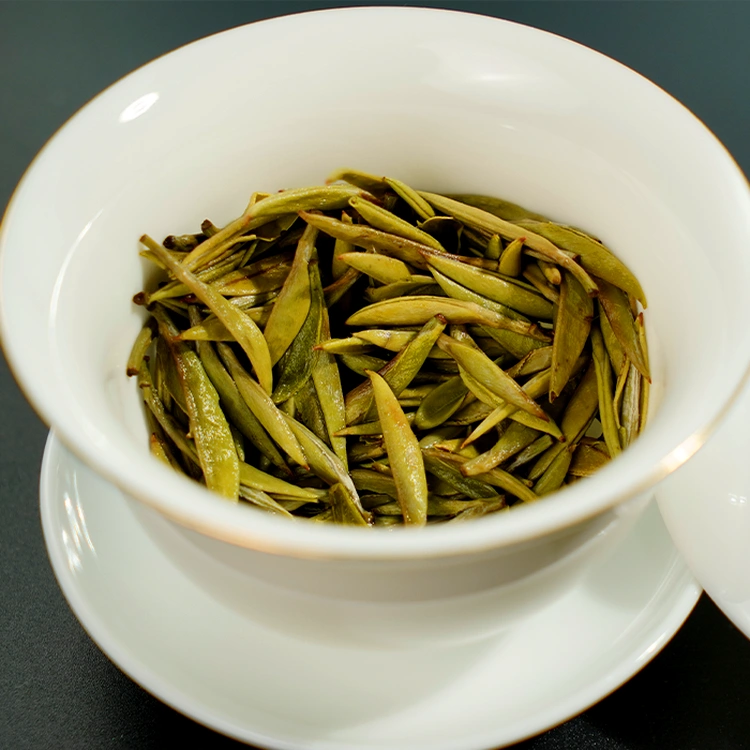
From the process above, it can be seen that one major reason tea is expensive is the scarcity caused by seasonal factors and meticulous manual work. But if you think that a tea with fine workmanship and scarce production is therefore better than other teas, you may be wrong.
Tea made with meticulous workmanship and scarce production simply has a different flavor, and does not necessarily mean it is better. For example, take first-flush spring tea: its taste is softer and more delicate, but its brewing fault tolerance is very low, and if it is slightly brewed badly it will not taste good. As for whether it suits you, that is another matter entirely and has nothing to do with price.
If you want to understand the grade differences of white tea, you can read our grade classification guide. If you are a tea friend especially interested in Silver Needle, you can also read the Silver Needle buying guide.
Which Prices Are Inflated and Unreliable
What was said above are the reasonable factors behind tea prices. Below, I will talk about those tricks full of water.
"Ancient tree," "thirty-year-old cake," "wild-picked" — these words often appear on the tea packaging we buy, regardless of whether the tea itself deserves them, because having these words makes the product especially easy to sell. In white tea circles, the most abused word is age.
Aged tea is popular and can be sold at high prices, while we as ordinary buyers have almost no way to verify whether the age is real or fake. It should especially be noted that for white tea, if a tea cake claiming to be over 20 years old appears on the market, it is most likely fake, because traditional white tea has existed only as loose tea for hundreds of years, not pressed cakes; pressing white tea into cakes is a modern new technique borrowed from Pu'er tea, and the industry-recognized "first Chinese white tea cake" was pressed in 2007 using raw aged loose white tea from the 1990s.
So when you plan to spend a lot of money on so-called "aged white tea," do not rush to buy. You can first read the article on our website about how to truly identify aged white tea; it can teach you how to judge authenticity by looking at the dry tea, the rinse tea liquor, and smelling the empty cup after drinking. This article has already helped many tea friends avoid pitfalls, and it is more useful than any coupon in the shop.
Only Genuine Raw Materials Are Worth a Premium
If everyone asks me what price can match high-priced white tea, I usually do not give a specific price. The answer I can give is two words: authenticity.
The place of origin matches its name, the processing and packaging descriptions are consistent, and the storage after leaving the factory is clean and hygienic. A genuine new Shou Mei can bring us a different experience with every brew; while a fake "aged tea" cake leaves us only full of doubt and a bad experience.
Because white tea has very few processing steps and almost no additional processing, mainly relying on sunlight, air, and time for transformation, with no heavy roasting and no added flavoring to cover defects, fake products reveal their true form as soon as they are brewed. As long as the base is genuine, even an affordable white tea can deliver a clean and comfortable taste. A reliable raw material foundation is the basis; only on this basis do other qualities become meaningful.
If you want tea with traceable origins, then you can learn about wild organic white tea. It is free of pesticides and chemical fertilizers, the tea trees grow naturally and slowly, and whether the harvest is good or bad depends entirely on that year's weather. For a complete explanation of wild organic tea, you can read our corresponding guide.
Only Tea That Suits You Is Worth Keeping
Many friends also ask me what kind of tea is a good tea. To borrow a saying from ancient Chinese people: "There is no good or bad tea; only what suits your palate is precious." The best tea in your home is the one that you will finish drinking.
Many friends usually buy some aged teas with great fame and high prices. But they usually find the taste too heavy, or they consider the price factor. So they only drink it occasionally, then throw it into a tea container, seal it, and put it in a corner to collect dust. But an unremarkable, humble affordable tea is instead completely drunk up by us. Expensive tea becomes idle waste, while affordable tea is the high cost-performance choice that truly belongs to us.
If you like floral aroma and a refreshing taste, new-harvest White Peony is an excellent entry-level choice. It carries an orchid fragrance with a faint honey sweetness, the tea liquor has a moderate thickness, and it is suitable for drinking every day.
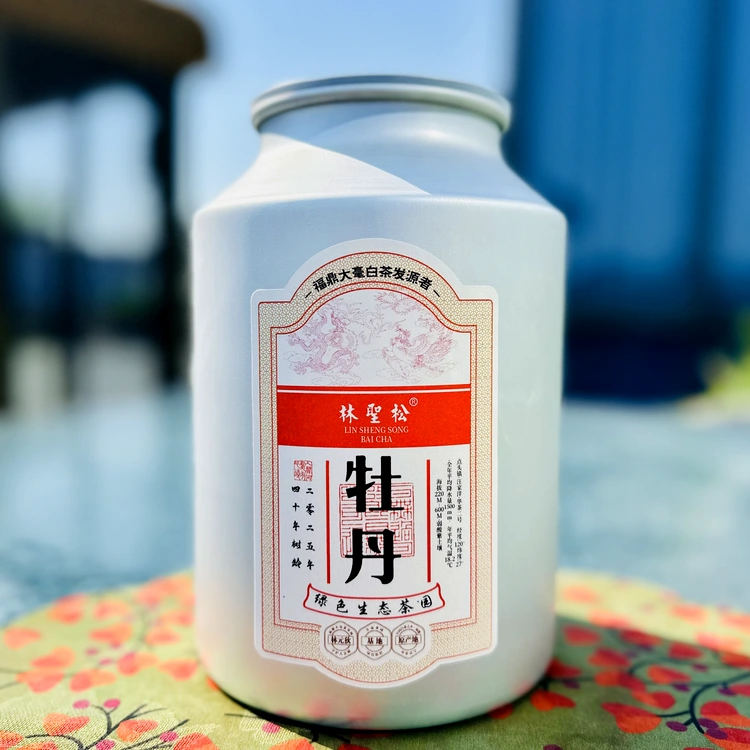
If you are used to drinking tea at night, you can choose aged Shou Mei. It is not afraid of being brewed badly and has a high fault tolerance. In winter, you can boil it for drinking, letting you experience a dense sweetness that steeping cannot produce. It is also a regular guest in the Chinese winter activity of "brewing tea around the stove."
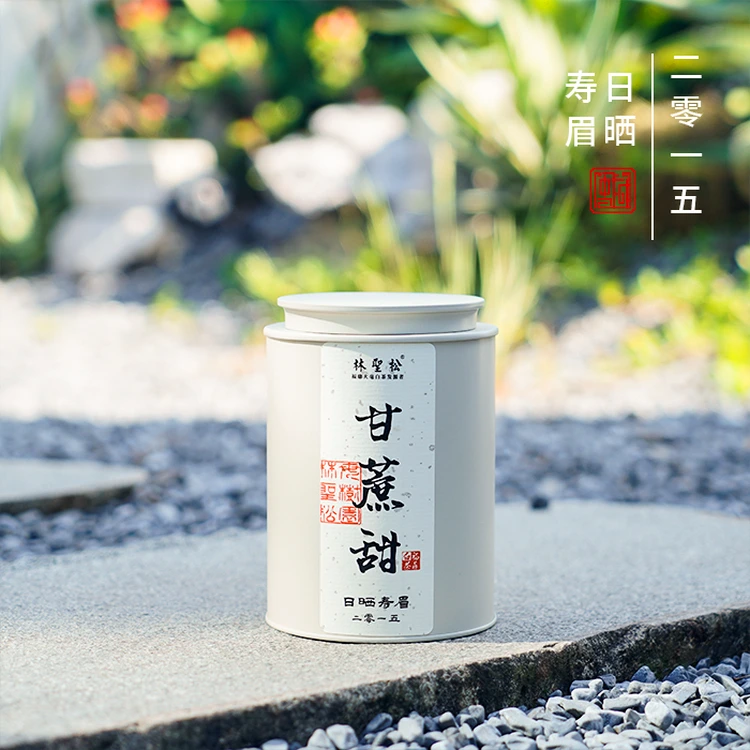
If most of the time you just brew tea in a large mug on your office desk, then there is no need to pursue precious buds; the simple Shou Mei that withstands long steeping is our practical choice.
When Buying Tea, Don't Stare at the Price Tag First
Based on my many years of tea-buying experience, I personally offer new tea friends some simple tea-buying logic as a reference.
1. Set a budget and do not overspend easily, because tea prices span a very wide range, and it is easy to be driven into impulse buying by high prices.
2. Do not blindly trust packaging copy; you must taste it before making a judgment, because the tea liquor is what represents whether the tea is good or bad. More importantly, tea packaging nowadays is becoming increasingly exquisite, which will greatly interfere with our judgment of whether the tea is good or bad.
3. If the merchant provides tea samples, give priority to buying small samples to try; this advice especially applies to aged white tea. Because aged white tea is expensive, the cost of buying the wrong one is very high. You can brew two teas side by side, one expensive and one affordable, and the difference can be felt immediately. Based on the comparison result, then buy the one you like in bulk. Your tongue is the final judge.
4. Do not stubbornly think that only Silver Needle counts as authentic white tea. Start with Shou Mei, which is palatable and easy to begin with, and after your taste buds mature, then advance to Silver Needle; in this way, every cup can be enjoyed to the fullest.
The Most Expensive Tea Is the Tea Left Unbrewed
Every year, I can see similar scenes among my close friends: for some special occasion, you bought white tea with exquisite packaging and a high price, but that occasion never came. This white tea has thus been locked in a container unopened the whole time, and the flavor it should have had slowly fades away.
The truly expensive tea is not the cake with the highest number on the price tag. It is the tea that has been put away on a high shelf and never drunk.
So, as a tea lover, buy tea that you will actually drink, at a price within your means, and find a seller who is willing to truthfully tell you the real place of origin. Follow your nose, and follow the real feeling of drinking tea every morning. When you no longer pay for exquisite packaging but buy a cup of tea liquor you eagerly look forward to, the question of "whether expensive tea is better" will no longer need to be agonized over. The tea liquor itself is the answer.