
Is Yixing Clay Teapot Suitable for Fuding White Tea? Reasons and Top Teaware Recommendations
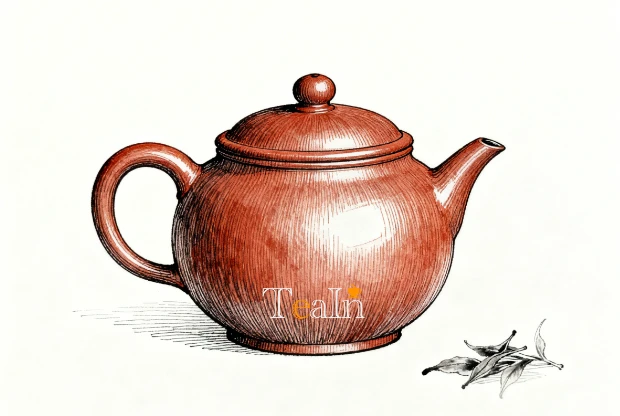
As a classic in the world of teaware, Yixing clay teapots are a favorite among tea collectors for their excellent heat retention and unique breathability. However, when it comes to Fuding white tea—known for its fresh, authentic flavor—many tea lovers wonder if Yixing clay teapots are a good fit. In fact, there’s no absolute answer. The key lies in how well the teapot’s characteristics align with the flavor needs of white tea. Below, we’ll break down the details using material science and brewing practice.
I. Characteristics of Yixing Clay Teapots: Which Teas Do They Suit?
The core advantages of Yixing clay teapots come from their unique double-pore structure. This structure gives them both breathability and heat retention, along with strong aroma-absorbing properties. These traits make them ideal for certain teas but create a compatibility conflict with Fuding white tea.
1. Core Traits of Yixing Clay Teapots
- Double-pore structure: The pot’s dense, interconnected pores allow slow air circulation while locking in temperature. This keeps the tea liquor at a stable heat during brewing, making it suitable for teas that need to fully release their internal compounds.
- Aroma absorption: The pores trap aroma molecules from tea leaves. With long-term use, the teapot can even develop a "seasoned" effect, releasing a subtle tea scent when rinsed with hot water alone.
- Excellent heat retention: The material conducts heat slowly, extending the warmth of the tea liquor. This is perfect for teas that benefit from a rich, mellow taste.
2. Teas That Pair Well with Yixing Clay Teapots
Thanks to these traits, Yixing clay teapots are best suited for teas with bold flavors, intense aromas, and those that require prolonged steeping. Examples include black tea, ripe Pu-erh, and dark tea. These teas have rich, robust aromas that won’t be fully absorbed by the teapot. Instead, the teapot’s heat retention and breathability soften their taste, making the liquor smoother and reducing any bitterness.
II. Flavor Needs of Fuding White Tea: Why Yixing Clay Teapots Aren’t Ideal
The core charm of Fuding white tea lies in its "freshness and authenticity." Its production process involves no pan-frying or rolling, preserving the tea’s natural aromas and crisp taste. These flavor characteristics clash noticeably with the traits of Yixing clay teapots.
1. Core Flavor Traits of Fuding White Tea
- Fresh, delicate aromas: Fresh white tea features floral and downy notes—such as the orchid-like scent of Baihao Yinzhen (Silver Needle) and the honeyed fragrance of Bai Mudan (White Peony). These aromas are soft and subtly layered. Even aged white tea, which develops jujube, herbal, or woody notes over time, maintains a core of "pure richness" rather than bold intensity.
- Crisp, smooth taste: The liquor of white tea is valued for its sweetness, silkiness, and freshness. Excessive steeping or aroma absorption disrupts this balance, distorting the flavor.
- Need for authenticity: Appreciating Fuding white tea means experiencing its inherent terroir and craftsmanship. This requires teaware that doesn’t interfere with the flavor, aiming for a "neutral" presentation of the tea’s true character.
2. Compatibility Conflicts Between Yixing Teapots and Fuding White Tea
- Aroma absorption fades flavor: The pores of Yixing teapots absorb the soft aroma molecules of white tea, especially the floral and downy notes of fresh white tea. After a few infusions, the tea becomes bland, losing its most appealing aromatic layers.
- Overheating causes bitterness: White tea releases its internal compounds quickly, especially tender varieties like Baihao Yinzhen and Bai Mudan. Prolonged high-temperature steeping (due to the teapot’s heat retention) leads to excessive extraction of tannins and caffeine, resulting in a bitter liquor that lacks freshness.
- Opaque material hides liquor changes: The color of white tea liquor deepens gradually with each infusion—from pale apricot to orange-yellow. Observing this color change is key to adjusting steeping time. However, Yixing teapots are opaque, making it hard to control the brewing process accurately.
III. Top Teaware Recommendations for Fuding White Tea: Prioritize Authenticity
To fully showcase Fuding white tea’s fresh flavor, choose teaware that "doesn’t absorb aroma, allows temperature control, and enables observation." The following three options are superior choices:
1. White Porcelain Gaiwan (Top Pick)
The white porcelain gaiwan is the "golden partner" for Fuding white tea and a favorite among professional tea lovers. Its smooth, dense glaze doesn’t absorb any aroma, preserving 100% of the tea’s authentic flavor. The thin bowl conducts heat quickly, letting you gauge temperature by touching the outer wall to avoid over-steeping. Its translucent glaze also allows clear observation of the liquor color and leaf unfurling, making it easy to adjust steeping speed. Whether for fresh or aged white tea, the white porcelain gaiwan adapts perfectly—especially for aroma-focused varieties like Baihao Yinzhen and Bai Mudan.
2. Glass Teacup (Ideal for Fresh Tea and Daily Drinking)
Glass teacups are pure in material and non-absorbent, retaining the fresh aroma and clear liquor of fresh white tea to the fullest. Brewing Baihao Yinzhen in a glass teacup also lets you admire the buds "standing upright" in the water, combining practicality with visual appeal. Note that glass has poor heat retention, so it’s best for quick infusions to prevent the tea from cooling too fast.
3. White Porcelain Teapot (Great for Group Sharing)
For entertaining friends, a white porcelain teapot is an excellent choice. It shares the same material as the gaiwan—non-absorbent and flavor-neutral—while offering a larger capacity for group servings. Its moderate heat retention avoids the over-steeping issue of Yixing teapots, maintaining the tea’s temperature without causing bitterness. It’s particularly suitable for thicker-leaf white teas like Shoumei.
IV. Special Case: Can Aged White Tea Be Brewed in Yixing Clay Teapots?
While Yixing clay teapots aren’t ideal for most Fuding white teas, they can be used for aged Shoumei and Gongmei stored for over 5 years—even delivering pleasant surprises.
1. Reasons for Compatibility
High-year aged white tea undergoes long-term aging, with its aroma transforming from fresh floral notes to rich jujube, herbal, or woody scents. These aroma molecules are more stable and intense, less likely to be over-absorbed by the Yixing teapot. Additionally, the tea’s internal compounds have fully transformed, resulting in a full-bodied, rich liquor. The teapot’s heat retention and breathability further enhance its smooth texture, reducing any residual astringency from the tea’s younger years and extending the lingering throat feel.
2. Usage Tips
- Choose a Yixing teapot with moderate breathability: Opt for pots with fine clay and balanced pore density to avoid rapid aroma loss.
- Avoid heavily glazed or rough interior pots: Heavy glazing reduces breathability, while rough interiors easily trap tea stains that interfere with flavor.
- Control steeping time: Even aged white tea is resilient, but steep quickly—3-5 seconds for the first three infusions, gradually extending afterward to prevent bitterness.
- Use the pot exclusively for white tea: Don’t brew black tea or Pu-erh in the same pot to avoid flavor cross-contamination.
V. Conclusion
Yixing clay teapots are not the ideal choice for Fuding white tea. Their aroma absorption and strong heat retention compromise the fresh, authentic flavor of fresh white tea. However, they can serve as an "alternative option" for high-year aged Shoumei and Gongmei. When brewing Fuding white tea, the key is to select teaware that preserves flavor and allows temperature control. The white porcelain gaiwan is the top choice, while glass teacups and white porcelain teapots suit different scenarios. Ultimately, teaware selection should balance material compatibility with personal preference. If you love the warm feel of Yixing teapots, experiment with aged white tea to find your perfect brewing rhythm. After all, the essence of drinking tea is enjoying a flavor that suits you.
Summary
This article explores whether Yixing clay teapots are suitable for Fuding white tea, focusing on the compatibility between teapot characteristics and tea flavor needs. Yixing clay teapots, with their double-pore structure, offer aroma absorption and strong heat retention—making them ideal for bold-flavored teas but problematic for Fuding white tea. They can dilute the tea’s fresh aroma and cause bitterness from over-steeping, so they are not the preferred choice. The article recommends white porcelain gaiwans (top pick for authenticity and temperature control), glass teacups (great for fresh tea and visual appeal), and white porcelain teapots (suitable for group sharing) as the best alternatives. It also notes that aged Shoumei and Gongmei stored for over 5 years can be brewed in Yixing clay teapots, as their rich aroma and full-bodied liquor complement the teapot’s traits. Ultimately, the article emphasizes that teaware selection should balance material suitability with personal preference, with the core goal of preserving Fuding white tea’s authentic flavor.