
Scientific Tea Drinking: Regular Moderate Intake A Guide to Constitution Adaptation
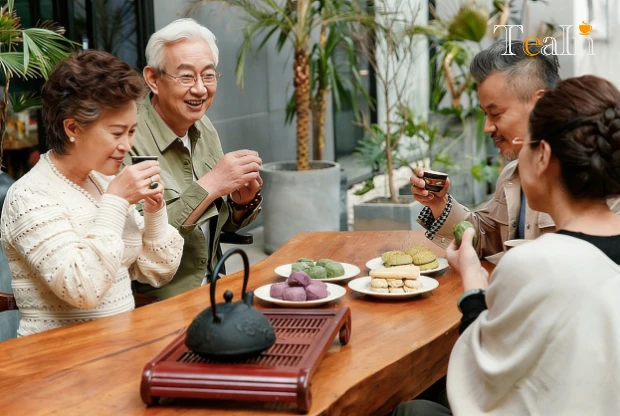
Amid the global trend of healthy beverages, tea has become a daily choice for countless people due to its natural properties and rich benefits. Both traditional Eastern wellness concepts and modern scientific research recognize tea’s health value, while emphasizing the core principle that "tea is suitable for regular drinking, not excessive consumption." Overdrinking not only fails to unlock its benefits but may also burden the body. This view was first recorded in Li Shizhen’s Compendium of Materia Medica and has since been confirmed by modern nutrition science. Combining traditional wisdom with contemporary research, this article analyzes the key points of scientific tea drinking from three dimensions—benefits, risks, and guidelines—to help readers establish healthy tea-drinking habits.
I. Health Benefits of Regular Consumption: Gentle Nourishment
The health value of tea stems from its abundant natural active ingredients. Long-term moderate consumption provides gentle nourishment to the body in multiple ways, forming the core basis for "regular drinking being advisable."
Modern studies show that tea polyphenols (especially catechins and EGCG) in tea are powerful antioxidants. They help eliminate free radicals in the body, reduce oxidative stress damage to cells, and long-term moderate intake supports cardiovascular health. Meanwhile, the synergistic effect of caffeine and L-theanine in tea offers mild stimulation, improving focus without the intense excitement or subsequent fatigue associated with coffee. This makes it ideal for daily work and study.
Traditional Chinese medicine holds that tea’s bitter and cool nature can reduce internal heat and detoxify. For people with heat-prone constitutions (prone to 上火,dry mouth, or constipation), regular consumption of light tea helps regulate internal heat. Additionally, fluoride and catechins in tea inhibit the growth of oral bacteria, aiding in dental health and reducing tooth decay. These benefits are sustained through "moderation and consistency," aligning with modern healthy lifestyle concepts.
II. Potential Risks of Excessive Drinking: Too Much of a Good Thing
The warning against "excessive drinking" arises from the dual nature of tea’s components. Overconsumption disrupts bodily balance and triggers a range of health issues, which aligns with the Compendium of Materia Medica’s note that "prolonged excessive drinking impairs nutrition and essence."
First, there is the risk of gastrointestinal irritation. Tea polyphenols and caffeine in tea have a certain stimulating effect. Overdrinking stimulates gastric mucosa to secrete excess stomach acid, which may cause stomach discomfort, acid reflux, or diarrhea—especially when consumed on an empty stomach. In his later years, Li Shizhen recalled that in his youth, he often drank several bowls of fresh tea due to his robust constitution, feeling refreshed and invigorated. However, as he entered middle age and his stomach function weakened, drinking tea would lead to stuffiness, nausea, or cold diarrhea. This is a vivid example of this risk.
Second, excessive caffeine intake is a concern. The recommended daily caffeine intake for adults is approximately 400 milligrams, while a cup of strong tea (about 200ml) can contain 50-80 milligrams of caffeine. Overdrinking easily causes insomnia, palpitations, or anxiety, and long-term excess may disrupt nervous system balance.
Furthermore, excessive tea drinking may hinder nutrient absorption. Tannic acid in tea binds to minerals such as iron, calcium, and zinc in food, forming insoluble complexes. Long-term heavy consumption may lead to mineral deficiencies, particularly affecting people with iron-deficiency anemia or the elderly. Additionally, tea’s bitter and cool nature is unfavorable for those with cold-deficient constitutions. Overdrinking may exacerbate symptoms like chills or fatigue, as noted in the Compendium of Materia Medica: "For people with cold-deficient or blood-weak constitutions, prolonged drinking secretly impairs vital energy."
III. Core Principles of Scientific Tea Drinking: Moderation, Adaptation, and Proper Methods
The key to scientific tea drinking lies in grasping "moderation" and "adaptation." Establishing personalized habits based on one’s own conditions allows tea to truly become a healthy companion.
1. Control Consumption: Moderation as the Guideline
The recommended daily intake is 3-5 cups of light tea, totaling 600-1000ml of liquid. Strong tea should be avoided. For those new to tea or with sensitive stomachs, start with 2-3 cups to allow the body to adapt gradually. When brewing a single cup, use 3-5 grams of tea per 200ml of water to prevent excessive concentration of components from overly strong tea.
2. Adapt to Constitution: One Size Does Not Fit All
Tea’s bitter and cool nature does not change with processing; it can only be mitigated through aging or drinking methods. People with heat-prone constitutions are suitable for green tea or oolong tea (not fully aged), as their cool nature helps regulate the body. Those with cold-deficient constitutions (prone to chills, diarrhea, or insufficient qi and blood) are better off with aged white tea or black tea. These teas are milder due to aging or fermentation, reducing stimulation to the body.
3. Pay Attention to Drinking Methods
Regarding temperature, follow the Compendium of Materia Medica’s advice that "warm drinking reduces internal heat." Opt for warm or hot tea at 45-65℃. Avoid cold tea, which irritates the stomach, and tea hotter than 80℃, which damages oral mucosa. For timing, avoid drinking on an empty stomach (especially early in the morning) and 1-2 hours before bedtime. The best time is about 1 hour after meals, as this avoids gastrointestinal irritation and aids digestion.
4. Avoid Common Mistakes
Do not drink "fresh tea with residual processing heat." Newly processed tea retains heat from production, which may cause a false sense of "internal heat." It is recommended to store new tea for 1-3 months before drinking. Do not rely on tea to sober up. While tea relieves thirst after drinking alcohol, it does not accelerate alcohol metabolism and may instead burden the kidneys. Do not drink only one type of tea long-term. Rotate tea varieties according to seasons and physical changes to avoid excessive accumulation of single components.
Summary
This article focuses on the core theme of "scientific tea drinking: drink regularly, not excessively," integrating traditional wisdom with modern science. The benefits of regular light tea consumption include the antioxidant effects of tea polyphenols, the mild stimulating effect of caffeine combined with L-theanine, and auxiliary protection for cardiovascular and oral health. Excessive drinking, however, may cause gastrointestinal irritation, excessive caffeine intake, and hindered nutrient absorption—particularly harmful to those with cold-deficient constitutions. The core principles of scientific tea drinking include controlling intake to 3-5 cups of light tea daily, choosing tea based on constitution (green tea/oolong for heat-prone constitutions, aged white tea/black tea for cold-deficient constitutions), drinking warm tea and avoiding empty stomachs or bedtime consumption, and steering clear of mistakes like drinking new tea or using tea to sober up. The article emphasizes that the health value of tea lies in "gentleness, moderation, and adaptation." Following these principles allows tea to become a long-term healthy companion, preventing bodily harm from excessive or improper consumption.