
Shoumei Tea Stem Value & Benefits: The Underrated Treasure in White Tea
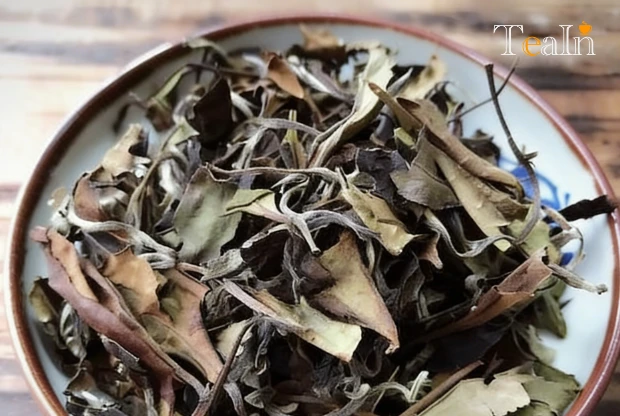
Amid the global white tea boom, Shoumei is highly favored for its excellent cost-performance, and health-conscious consumers often incorporate it into their daily lives. However, many people deliberately pick out tea stems when brewing Shoumei, considering them rough and harmful to taste. Little do they know these seemingly unremarkable tea stems are crucial carriers of Shoumei’s flavor and nutrition. The value of Shoumei tea stems lies not only in enhancing flavor but also in unique nutritional advantages and practical uses, making them a severely underrated "treasure" in white tea. This article analyzes the core value of Shoumei tea stems from four dimensions—flavor, nutrition, brewing, and aging—to help readers rethink this common yet easily overlooked component of white tea.
I. Flavor Enhancement: Sweetness and Richness Brought by Tea Stems
Shoumei tea stems play a vital role in enhancing the flavor of the tea infusion. Far from being coarse impurities, they are tender branches of the tea tree, rich in pectin, soluble sugars, and aromatic substances—key sources of the infusion’s natural sweetness and smoothness.
Tea stems contain much higher pectin content than leaves. When brewed, they release thick gelatinous substances that lend the tea a warm, silky texture, avoiding the thinness often associated with infusions made solely from leaves. Meanwhile, the soluble sugar content in tea stems is higher than in leaves, neutralizing the slight bitterness of Shoumei leaves and delivering a natural, long-lasting sweet aftertaste. This mild sweetness is particularly appealing to consumers who prefer not to drink bitter, strong tea.
Additionally, tea stems contain unique precursors of woody and jujube aromas. When brewed, these substances blend with the floral and herbal notes from the leaves, creating a richer, more layered aroma profile. For aged Shoumei stored for years, the aromatic compounds in the tea stems undergo further transformation, releasing jujube, medicinal, and woody scents that become the hallmark of aged Shoumei’s flavor.
II. Nutritional Reserve: Natural Active Ingredients and Slow-Release Advantage
Shoumei tea stems are important reservoirs of active ingredients in white tea. As the "transport channels" for nutrients in the tea tree, they accumulate abundant flavonoids, polyphenols, dietary fiber, and minerals such as potassium, calcium, and magnesium, offering gentle health benefits.
Among these, flavonoids—natural antioxidants—are more easily absorbed by the human body during brewing due to the loose structure of tea stems, even though their content is lower than in Baihao Yinzhen. Regular consumption of Shoumei with tea stems provides the body with mild antioxidants, helping to combat free radical damage. The dietary fiber in tea stems also aids in promoting intestinal peristalsis, meeting consumers’ demand for natural dietary fiber.
What’s more noteworthy is the "slow-release" characteristic of tea stems. Their woody structure delays the release of active ingredients, allowing Shoumei to maintain a stable nutritional concentration even after 5 to 8 infusions. This avoids the problem of rapid nutrient release and subsequent tastelessness common with infusions made solely from leaves, aligning with consumers’ preference for efficient and long-lasting drinking experiences.
III. Brewing and Aging: Practical Advantages and Timeless Value
Shoumei tea stems demonstrate irreplaceable practical value during brewing and aging. During brewing, tea stems increase the gaps between tea leaves, allowing hot water to penetrate evenly and preventing uneven brewing caused by leaf clumping. For consumers who enjoy simmered tea, tea stems are an "essential tool." Simmering releases pectin and aromatic substances fully, resulting in a rich, mellow infusion that pairs beautifully with ingredients like lemon or honey for added depth.
In terms of aging, the value of tea stems is particularly prominent. The core of white tea aging lies in the slow transformation of ingredients, and substances such as lignin and pectin in tea stems provide a stable environment for this process. As aging years increase, polyphenols in tea stems convert into tea pigments, flavonoid content continues to rise, the infusion color changes from pale yellow to orange-red, and the flavor shifts from sweet and fresh to warm and mellow. Aged Shoumei stored for over 5 years has softer tea stems, and the brewed infusion offers more intense jujube and medicinal aromas—one of the key reasons aged Shoumei is favored by collectors.
Furthermore, the high proportion of tea stems makes Shoumei more cost-effective for aging. Compared to white tea dominated by buds and leaves, Shoumei offers greater room for flavor transformation and lower storage costs, making it suitable for regular consumers to collect and drink long-term.
IV. Sustainability and Practicality: Eco-Friendly Value and Versatile Scenarios
The value of Shoumei tea stems also extends to sustainable consumption and versatile usage scenarios. They are not "waste" from tea processing but important components that can be fully utilized, aligning with the eco-friendly concept of "maximizing resource use" and avoiding waste.
Beyond direct brewing, Shoumei tea stems have various practical applications. Dried tea stems can be made into tea bags for convenient quick brewing in offices or during travel. Simmered tea stems, when dried, can be placed in wardrobes to repel insects and absorb moisture with their natural aroma. Crushed tea stems can also be mixed into flower soil as a natural organic fertilizer, combining practicality and environmental friendliness.
Shoumei with tea stems requires no complex processing—simply add them to a teapot for brewing or simmering, eliminating the hassle of picking out stems. Its characteristics of being durable, sweet, and warm make it suitable for versatile life scenarios, such as a morning pick-me-up, an afternoon tea companion, or a post-dinner digestif.
Summary
This article explores the core value of Shoumei tea stems, revealing their underrated practical and nutritional significance from four perspectives. In terms of flavor, tea stems are rich in pectin and soluble sugars, endowing Shoumei with a sweet aftertaste, smooth texture, and layered aroma, and serving as the key to the iconic flavor of aged Shoumei. Nutritionally, tea stems contain active ingredients such as flavonoids and dietary fiber, with a slow-release feature that ensures long-lasting nutrition and durability. For brewing and aging, tea stems improve brewing uniformity, facilitate flavor transformation during long-term aging, and develop unique aromas like jujube and medicinal scents. In terms of sustainability, tea stems align with eco-friendly concepts and can be versatilely used in making tea bags, repelling insects, and fertilizing plants. The article points out that Shoumei tea stems are not impurities but core components carrying flavor, nutrition, and practical value. Drinking Shoumei with tea stems intact allows one to fully experience its authentic charm.