
Tea vs Coffee: A Comprehensive Comparison of Health Benefits and Drinking Scenarios
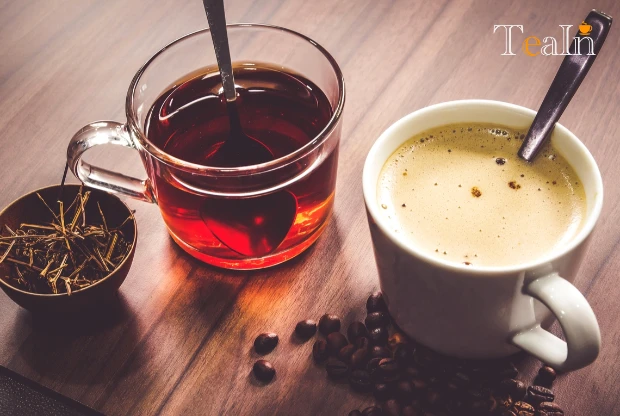
Tea and coffee are the two most popular beverages worldwide, integrated into people's daily life, work, and social interactions as indispensable companions. Some favor coffee’s intense energy boost, while others cherish tea’s gentle comfort. Though both are labeled "energy drinks," they differ significantly in ingredients, flavor, health impacts, and drinking scenarios. The choice between them depends not only on personal taste but also on lifestyle and physical condition. Below is a multi-dimensional analysis of their core differences to help you find the perfect drink for yourself.
I. Core Differences: Ingredients, Production, and Flavor Traits
The fundamental distinction between tea and coffee begins with their ingredients and production processes, shaping their distinct flavor profiles.
1. Source Ingredients
Tea: All tea varieties originate from the fresh leaves of the Camellia sinensis plant. Based on fermentation levels and production methods, they are categorized into green tea, white tea, black tea, oolong tea, and more. From tender buds (e.g., Baihao Yinzhen/Silver Needle) to mature leaves and stems (e.g., Shoumei), different raw materials create rich layers of taste.
Coffee: Derived from the berries of the coffee plant. After removing the pulp, drying, roasting, and grinding, the berries become coffee grounds. Coffee bean variety (e.g., Arabica, Robusta), origin (e.g., Ethiopia, Colombia), and roast level (light, medium, dark) are the key factors influencing its flavor.
2. Production Process
Tea: The core processes revolve around withering, fermentation, and drying, with no high-temperature roasting (except for some oolong teas). Green tea is unfermented, preserving its fresh character. White tea is slightly fermented, highlighting its sweetness. Black tea is fully fermented, offering a mellow taste. Oolong tea is semi-fermented, boasting a rich aroma. This minimalist process maximizes the retention of the tea’s natural nutrients.
Coffee: The core processes are roasting and extraction. Coffee beans undergo high-temperature roasting to unlock flavors like caramel, fruit, and nutty notes. For consumption, hot water extracts caffeine, tannins, and other compounds. There are various preparation methods (espresso, Americano, pour-over, etc.), and process differences directly affect taste intensity.
3. Flavor Characteristics
Tea: Flavor is centered on freshness, gentleness, and layering. Green tea is crisp with a hint of astringency. White tea is sweet and silky. Black tea is rich with a sweet aroma. Oolong tea features prominent floral notes. Tea’s taste is softer with a lingering finish, ideal for slow savoring.
Coffee: Flavor is concentrated in richness, roasted notes, and bitterness, accompanied by traits like fruit acidity, chocolate, and nutty undertones. Light-roast coffee has distinct acidity and a clean taste. Dark-roast coffee offers strong roasted notes and pronounced bitterness. Coffee’s flavor is more direct and intense, delivering a quicker energy boost.
II. Health Benefits Comparison: Specialized Advantages for Different Needs
Both tea and coffee contain beneficial active compounds, but their varying proportions and types lead to distinct health effects. There is no absolute "better" option—only what fits your needs.
1. Energy Boost: Differences in Intensity and Duration
Coffee: Higher caffeine content (approximately 80-120mg per cup) delivers a direct and rapid energy boost. It quickly blocks "sleep signals" in the brain, revitalizing you in minutes. This makes it ideal for scenarios requiring instant alertness (e.g., morning wake-ups, overtime work). However, caffeine metabolizes quickly, with effects lasting about 2-4 hours. Some people may experience palpitations or shaky hands.
Tea: Lower caffeine content (approximately 20-60mg per cup) works synergistically with L-theanine. L-theanine neutralizes caffeine’s stimulant effects, creating a gentler, longer-lasting energy boost without intense excitement. It also relieves anxiety, with effects lasting 4-6 hours. This makes it suitable for scenarios requiring sustained focus (e.g., work, study).
2. Core Nutrients and Health Value
Coffee: Rich in chlorogenic acid, a potent antioxidant that reduces inflammation and protects cardiovascular health. Moderate consumption (1-4 cups daily) can gently stimulate metabolism, aiding weight management and lowering the risk of type 2 diabetes and Parkinson’s disease. Excessive intake may cause insomnia or increased stomach acid.
Tea: Abundant in tea polyphenols (especially green and white tea), which have strong antioxidant properties to eliminate free radicals and slow aging. They also support cardiovascular health and lower blood lipids. L-theanine regulates mood and improves sleep quality. Long-term consumption of lightly brewed tea helps relieve stress and maintain gut health. However, strong tea may hinder iron absorption, and moderate intake is advised before bedtime.
3. Body Friendliness
Coffee: Has a mild irritant effect on the digestive system. Drinking on an empty stomach may trigger stomach pain or acid reflux, so it should be avoided by those with excess stomach acid. Caffeine dependence is relatively high, and sudden cessation may cause withdrawal symptoms like headaches or fatigue.
Tea: Mild in nature. Unfermented teas like green and white tea have minimal gastrointestinal irritation, making them suitable for long-term consumption. Tea has lower caffeine dependence and contains minerals such as potassium and fluoride, offering nutritional benefits for most people.
III. Drinking Scenarios and Suitable Groups: Choose Based on Lifestyle
Tea and coffee are closely tied to specific scenarios and preferences. Different lifestyles and needs naturally align with different beverages.
1. Coffee: Ideal Scenarios and Groups
Core Scenarios: Waking up in the morning, quick energy boosts during work breaks, business meetings or social gatherings (cafés are popular social venues), and pre-workout energy replenishment.
Suitable Groups: Office workers and students who prefer strong flavors and need instant alertness. People with slow metabolism seeking weight management support. Those who enjoy Western-style social settings.
2. Tea: Ideal Scenarios and Groups
Core Scenarios: Relieving stress in the afternoon, aiding digestion after meals, gentle relaxation before bedtime, quiet moments at home or casual chats with friends, and work/study requiring sustained focus.
Suitable Groups: People who prefer mild flavors and dislike bitterness. Those with sensitive stomachs or caffeine intolerance. Individuals focused on long-term wellness and gentle body regulation. Enthusiasts of slow-paced life who enjoy the savoring process.
IV. Choosing Tips: No "Best" Option, Only the Most Suitable
Tea and coffee are not mutually exclusive. Many people switch between them based on scenarios. The key is to choose based on personal needs, physical condition, and lifestyle.
If you need an instant energy boost, prefer strong flavors, or frequently engage in Western-style social activities, coffee is the better choice. Opt for medium to light roasts, avoid drinking on an empty stomach, and limit intake to 4 cups daily.
If you seek a gentle energy boost, enjoy fresh flavors, have a sensitive stomach, or prioritize long-term wellness, tea is more suitable. Choose lightly brewed teas (e.g., white, green, black tea), avoid drinking within 1 hour of bedtime, and stick to 2-3 cups daily.
You can also mix them by time of day: Use coffee to wake up in the morning and tea to relieve stress in the afternoon. This way, both beverages complement each other, adapting to diverse lifestyle rhythms.
Summary
This article explores the core differences between tea and coffee, comparing them across four dimensions: ingredients and production, flavor traits, health benefits, and drinking scenarios. Tea, made from tea leaves with minimalist processing, offers a fresh and gentle flavor. It contains tea polyphenols and L-theanine, providing a mild, long-lasting energy boost ideal for long-term wellness and relaxation. Coffee, crafted from roasted coffee beans, delivers a rich, intense flavor with higher caffeine content for rapid alertness, suitable for quick energy needs and Western-style social settings. Health-wise, coffee’s chlorogenic acid supports metabolism and cardiovascular health, while tea’s tea polyphenols excel in antioxidants and stress relief. The choice should align with personal needs (energy intensity, taste preference), physical condition (digestive health, caffeine tolerance), and scenarios (time of day, social context). There’s no need for absolute preference—flexible pairing better adapts to diverse life rhythms.