
The Aging Journey of Aged White Tea: How Time Shapes Unique Flavors
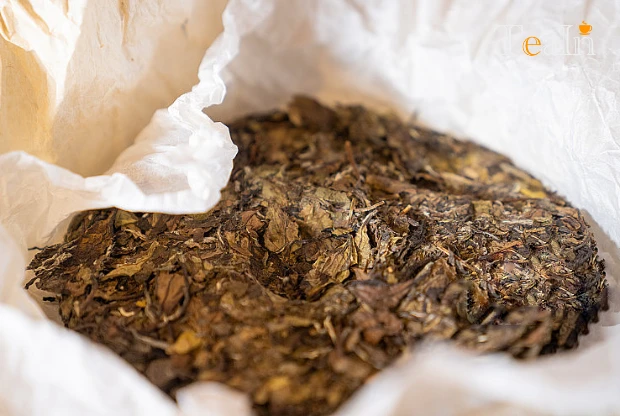
The most fascinating trait of aged white tea lies in its magical transformation—"improving with age." From fresh tea leaves to mellow aged tea, this is a slow process shaped by time and environment. Each stage of aging brings subtle changes to the tea’s flavor, aroma, and taste, ultimately precipitating a unique vintage charm. For white tea lovers, understanding this process not only deepens appreciation of aged white tea’s value but also helps find the perfect match for personal taste.
1. The Core of Aging: Natural Transformation Inside the Tea Leaves
Aging of aged white tea is essentially a slow biochemical change that occurs in tea leaves under suitable conditions. After harvesting, fresh white tea undergoes simple processes like withering and drying, retaining abundant enzymes, tea polyphenols, amino acids, and other substances. During aging, these components interact and gradually transform, softening the tea’s character over time.
Enzyme activity is key to this transformation. In a dry, well-ventilated environment, enzymes slowly break down tea polyphenols, reducing bitterness and smoothing the taste. Meanwhile, amino acids react with sugars to produce new aromatic compounds, adding unique aged, jujube, or herbal notes to the tea. This process cannot be rushed—temperature, humidity, and oxygen levels all influence the speed and outcome of transformation. Only patience allows the tea to complete its perfect metamorphosis.
Unlike other teas requiring complex post-processing, aged white tea’s aging relies more on "natural forces." No deliberate intervention is needed; as long as a stable environment is provided, the tea will gradually refine itself over time, maturing from freshness to mellow warmth.
2. Key Aging Conditions: Protecting the Tea’s Transformation
To ensure white tea ages smoothly and develops premium flavors, storage environment is crucial. Unstable temperature and humidity, as well as odor interference, can disrupt the aging process and even spoil good tea.
The ideal aging environment must meet four principles: dry, well-ventilated, cool, and odor-free. Humidity should be controlled between 50%-60%—excessive moisture causes mold, while excessive dryness halts transformation. Temperature should remain at room temperature (15℃-25℃), avoiding direct sunlight or extreme temperature fluctuations. Ventilation allows the tea to contact moderate oxygen, promoting transformation while dispelling off-odors generated during storage. An odor-free environment prevents the tea from absorbing external scents, ensuring pure flavor.
Choosing the right storage container is also important. Ceramic jars, purple clay pots, well-sealed aluminum foil bags, or bamboo baskets are ideal. These containers isolate moisture and odors while enabling minimal air exchange with the outside world, providing necessary conditions for transformation. Plastic containers should be avoided, as their materials may release harmful substances affecting tea quality.
3. Three Key Stages of Flavor Evolution
Aging of aged white tea is not uniform. Different stages present distinct flavor characteristics, each with its own unique charm.
A. New Tea Stage (1-2 Years): Transition from Freshness to Softness
Freshly made white tea boasts a crisp herbal and floral aroma, with pale yellow liquor and a refreshing taste with a hint of astringency. After 1-2 years of initial aging, the tea’s bitterness gradually diminishes, and the natural sweetness of amino acids becomes more prominent. The liquor turns smooth and gentle, with aroma shifting from bold floral notes to subtle sweetness. Its overall style is fresh and elegant, suitable for drinkers who prefer a crisp taste.
B. Transformation Stage (3-7 Years): Richer Aromatic Layers
This is a critical stage for aged white tea’s flavor metamorphosis. As aging progresses, tea polyphenols undergo further transformation, and aromatic compounds continue to form. At this stage, aged white tea gradually develops distinct honey and jujube notes, with some compressed tea featuring a faint herbal aroma. The liquor deepens to amber, with a rich, full-bodied taste and long-lasting sweet aftertaste. Upon sipping, the aroma unfolds layer by layer in the mouth, combining freshness and depth. This is the most vibrant stage of aged white tea’s flavor.
C. Maturity Stage (8+ Years): Mellow Vintage Charm
Aged white tea stored for over 8 years enters the maturity stage. By this time, the tea’s transformation stabilizes, with tea polyphenols, amino acids, and other components reaching perfect balance. Bitterness fades completely, leaving an extremely smooth, silk-like texture. The aroma is dominated by calm aged, herbal, and jujube notes—rich layers that blend harmoniously. After drinking, the throat feels moist with a lingering aftertaste. The liquor presents a deep orange-red hue, clear and bright. Each sip reflects the warmth and depth of time, suitable for seasoned tea lovers pursuing ultimate charm.
4. Common Mistakes in Aging: Avoid These "Tea-Damaging" Behaviors
Many tea lovers fall into pitfalls when storing aged white tea, affecting the aging process.
A common mistake is frequent handling of the tea. Opening the storage container repeatedly causes temperature and humidity fluctuations, disrupting the stability of transformation. It also exposes the tea to excessive oxygen, potentially accelerating oxidation and deterioration. The correct approach is to seal the tea properly, place it in a fixed location, and check the environment regularly without frequent disturbance.
Another mistake is ignoring odor interference. Tea has strong absorbency—storing it with fragrant items like perfume, spices, or tobacco causes it to quickly absorb off-odors, contaminating its pure flavor. Even mild odors amplify during aging, ultimately affecting the overall taste.
Additionally, overemphasizing "age" is undesirable. The core of aging is "quality transformation," not mere time accumulation. Poor storage conditions can render even 10-year-old tea tasteless or moldy. Only tea aged in a suitable environment gains value from its years.
5. How to Taste Aged White Tea: Capturing Traces of Time
When tasting aged white tea, three dimensions—observing, smelling, and sipping—reveal the effects of aging.
Observe the liquor color: pale yellow in the new tea stage, amber in the transformation stage, and deep orange-red in maturity. Regardless of the stage, the liquor should be clear and transparent without turbidity or sediment. Smell the aroma: from fresh floral notes to honey and jujube scents, then to calm aged aromas. Aroma changes are key to judging aging degree—high-quality aged tea should have a pure, long-lasting aroma free of off-odors. Sip the taste: longer aging results in a smoother, more mellow taste with a distinct sweet aftertaste, no astringency, and a warm throat feeling—hallmarks of aged white tea.
For Western drinkers, comparing aged white tea’s flavors to familiar beverages aids understanding: the freshness of the new tea stage resembles herbal tea, the jujube sweetness of the transformation stage is similar to fruit tea, and the depth of the maturity stage echoes the warmth of aged wine. This helps quickly grasp flavor characteristics across different stages.
The aging of aged white tea is a game of time and patience. Unlike other bold teas, it precipitates the purest, most mellow flavors through slow transformation. Whether new to aged white tea or a seasoned enthusiast, everyone can find surprises in this aging journey. Time speaks softly, yet allows white tea to bloom in its most beautiful form—this is the most touching charm of aged white tea.