
Are You Drinking Tea the Right Way? Uncovering the Secrets of Tea Polyphenols
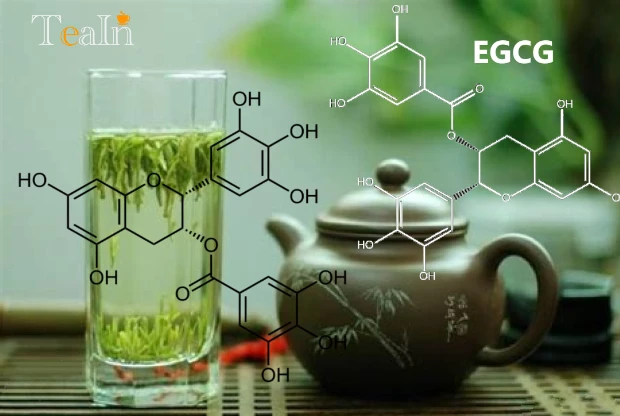
Tea polyphenols, traditionally known as tannins in tea, are the core active compounds in tea leaves. They act as the "unsung hero" of tea—shaping the base flavor of the brew while gently supporting the health of those who drink it. If you’re a regular tea drinker or interested in the health benefits of tea, understanding a few key facts about tea polyphenols can make every cup more meaningful and effective.
1. Tea Polyphenols: The "Health Guardian" in Tea
Scientific research has long confirmed the clear benefits of tea polyphenols. They boast excellent antioxidant properties, helping the body combat the effects of free radicals and slow down the aging process. They also assist in regulating blood lipids, which is why many people stick to drinking tea to support weight management. What’s more, they have notable antibacterial effects, inhibiting common pathogenic bacteria like Escherichia coli and Staphylococcus aureus—making tea not just a pleasure, but a gentle health boost.
However, while tea polyphenols are beneficial, their content varies across different types of tea. To efficiently intake polyphenols through daily tea drinking, choosing the right type of tea is crucial.
2. Polyphenol Content in Different Teas: Fermentation Is the Key
The amount of polyphenols retained in tea hinges on its fermentation level. Generally, fermentation converts tea polyphenols into substances like theaflavins and thearubigins. This means the lower the degree of fermentation, the more intact the polyphenols remain.
Among the six major tea categories, green tea is the "leader" in polyphenol content. It undergoes no fermentation, retaining over 80% of its polyphenols. Classic green teas like Longjing (Dragon Well), Biluochun, and Maojian are excellent choices for boosting polyphenol intake. Next are lightly fermented white tea and subtly fermented yellow tea, both with considerable polyphenol levels. Oolong tea, a semi-fermented variety including Tieguanyin and Dahongpao, has a moderate polyphenol content—offering rich aromas along with a decent dose of active compounds. Fully fermented black tea and post-fermented dark tea, however, have significantly lower polyphenol levels as most have converted during fermentation. These are better suited for those who prefer a mellow, smooth taste.
If your main goal is to supplement polyphenols through tea, green tea, white tea, or oolong tea are your best daily options.
3. How Much to Drink? A Scientific Reference
According to research by tea scientists, adults who consume 300–400 milligrams of tea polyphenols per day can safely reap their benefits. Translating this into daily tea-drinking habits:
- Green tea: 5–8 grams of tea brewed into 2–3 cups (each around 300 milliliters) meets the daily basic needs;
- Oolong tea: Due to its slightly lower polyphenol content than green tea, 8–12 grams brewed into 3–4 cups is recommended.
Experiments have shown that a cup of green tea brewed with 2 grams of leaves provides approximately 100 milligrams of catechins—the key active component in tea polyphenols. In other words, drinking 3 such cups of green tea a day delivers noticeable health benefits. Note that green tea’s nutrients drop sharply after two infusions. Re-brewing repeatedly not only fades the flavor but also fails to provide sufficient polyphenols, so it’s best to use fresh tea after 2–3 brews.
4. Tips for Drinking Tea Polyphenols the Right Way
Tea is a natural healthy beverage, and moderation is key. There’s no need to overdo it to "max out" polyphenol intake—excessive drinking may burden the body. Additionally, it’s not advisable to take tea polyphenol supplements casually. The polyphenols in natural tea are mild and balanced, paired with amino acids, tea polysaccharides, and other compounds. Gradually absorbing them through daily tea drinking is the most natural and safe approach.
Drinking tea is essentially about enjoying nature’s gifts in daily life. Understanding these simple facts about tea polyphenols—choosing the right tea and drinking the right amount—lets every cup of tea bring both taste pleasure and gentle health support. May every sip you take be filled with comfort and peace of mind.