
What are the benefits of drinking white tea regularly?
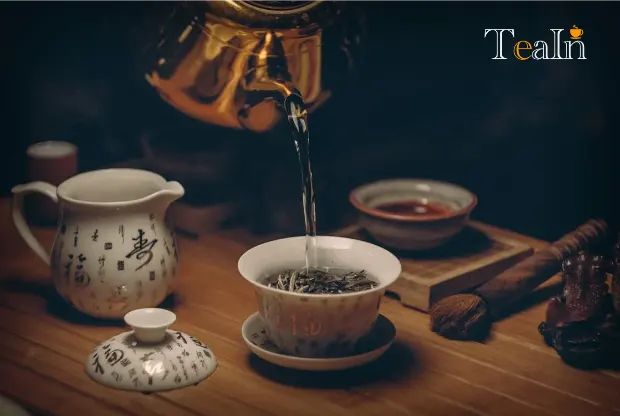
What is White Tea
Originating in China, white tea is made with minimal processing and delivers an elegant, delicate flavour. Its tea buds are hand picked. Minimal processing retains the tea's natural compounds, producing a pure, high quality infusion packed with antioxidants to support healthy skin. White tea is classified into four main categories. Ranging from premium Silver Needle to everyday drinking Shoumei, each offers distinctive flavours. What's more, white tea may be stored for a long time, growing richer in flavour over years of ageing.
White tea, a delicate drink
White tea is the most delicate of teas. Young shoots and buds are picked by hand in spring, just before they open. The tea owes its name to the fine white down that covers the leaves at harvest time. Bai cha literally means "white tea".
White tea is the least processed tea with a superb flavor. Only two stages are involved in making it:
- withering, which takes place in the open air, or sometimes in a temperature-controlled room.
- then drying, first in the sun and then in the shade, which preserves the tea for years.
So if white tea needs fewer steps, why is it so valued? Well, because these two phases follow the natural rhythm of the leaf. It is neither roasted nor rolled, so it only oxidizes slightly, on the surface. The tea liquor is pale yellow, with sweet floral notes, freshness and refinement. In summer, many Chinese families brew white tea in a teapot to quench their thirst.
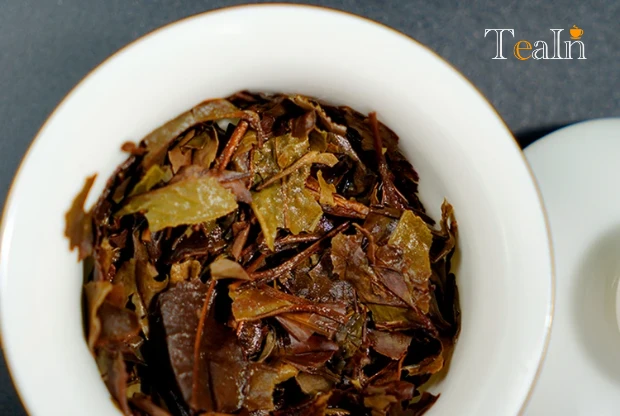
Why Choose Organic White Tea?
White tea is produced with minimal processing. Hardly any natural compounds are lost from the tea garden to your cup. Therefore, growing conditions matter greatly. For this reason, organic white tea is preferable to most other teas. Grown without synthetic pesticides or fertilisers, organic white tea is purer. It retains abundant nutrients and antioxidants better, making it a reassuring option for long term daily consumption. We offer a full range of organically certified white teas. Even entry level everyday grades feature marked quality benefits from organic cultivation.
Benefits of Regular White Tea Consumption
With minimal processing, white tea keeps plenty of natural active compounds including polyphenols, catechins and EGCG. Certain substances in white tea may help remove free radicals. Drinking white tea in moderation over a long period benefits the overall condition of the body.
- Skin Care: Its high antioxidant content may help safeguard skin collagen, reduce oxidative damage and maintain healthy looking skin.
- Cardiovascular Support: Tea polyphenols can relax blood vessels to a certain extent. The oxidation process of bad cholesterol is inhibited.
- Metabolic Support for Weight Management: Regular drinking may help keep weight related indicators within a healthy range and aid fat metabolism.
- Dental Care: White tea contains naturally occurring fluoride and catechins, which may help maintain tooth enamel and slow dental plaque build up.
- Mental Relaxation: White tea naturally contains L theanine together with moderate amounts of caffeine. Working in synergy, they may promote a calm yet alert state of mind.
Warm reminder: White tea is an everyday beverage and is not a substitute for medicine. Any benefits it offers are purely supportive. It contains caffeine, so avoid drinking too much late at night.
Who Should Drink White Tea
Gentle in nature, white tea is suitable for most people's daily drinking. Office workers favour its mellow, light flavour, free from the fatigue that can follow caffeine crash. Middle aged and older tea drinkers appreciate its potential cardiovascular supporting qualities. Women favour it for its potential antioxidant related skin benefits. Weight conscious consumers appreciate its nearly zero calorie feature. Tea lovers with smoking or drinking habits also drink white tea to support potential liver wellness.
Warm reminder: White tea is an everyday beverage and not a medicine. With a pleasant taste, You can keep this up as a regular daily habit for quite a long time. It contains caffeine; avoid excessive consumption late at night.
How to Brew White Tea
Brewing white tea is easy. The key lies in controlling water temperature and steeping time.
Silver Needle and White Peony feature tender buds and leaves and should not be brewed with boiling water. A water temperature of 75–80 °C with 2–3 minute steeping works well before pouring out the liquor. For Gongmei and Shoumei, use 85–90 °C water. Properly aged white tea cakes can even be brewed by boiling.
Suggested tea to water ratio: 3–4 g of dry tea per 150 ml water. Good quality white tea stands up well to multiple infusions. The same leaves can be brewed 4–5 times, releasing plenty of aroma and flavour.
Frequently Asked Questions about White Tea
Q: Can I drink white tea every day?
A: Yes, 2–4 cups a day work well. White tea has moderate caffeine levels and is gentle on the stomach, so it works great for daily use.
Q: Does white tea have more caffeine than green tea?
A: Caffeine levels for both are roughly comparable, and both are far lower than black tea and coffee.
Q: When is the best time to drink white tea?
A: Mid morning or early afternoon is recommended. For some people, evening consumption may cause insomnia due to caffeine.
Q: Does white tea help with sleep?
A: The L theanine in white tea may calm your mood, but its caffeine can interfere with sleep. It is best enjoyed during the day.
Q: How should white tea be stored?
A: Keep it sealed in a cool, dry place, away from light and strong smells. Fresh, non aged white tea keeps well for two to three years. When stored correctly, aged white tea cakes develop richer flavour over time.
Final Notes
White tea has a long history and a mellow, elegant taste. Drinking it regularly benefits our cardiovascular health, skin, and teeth, and is especially beneficial to our mental well-being. Meanwhile, white tea is virtually calorie-free and simple to brew, making it perfectly suited to our daily lives. When brewing white tea, we should also be mindful to use the right water temperature in order to bring out its true aroma and flavor.
If you are after unique white-tea varieties, go for the delicately fresh Silver Needle, or the richly floral White Peony. For everyday drinking, Gongmei and Shoumei make excellent choices.