
White Tea Aromas: 9 Common Scents and What They Mean
Most people, when they open a pack of white tea for the first time, cannot help wondering, "Huh? That's it?" White tea is a type of tea with a relatively light flavor. Bai Hao Yin Zhen tastes soft and gentle, with a milky feel, and its floral aroma is deeply hidden in the tea liquor, not rushing out in an abrupt way. However, an aged Shou Mei from the same producer gives off a jujube aroma and a medicinal aroma.
Bai Hao Yin Zhen and Shou Mei both belong to white tea, but their aromas are completely different. This is not a matter of random luck, because the aroma of white tea follows certain patterns. It is determined by several factors, such as the tea plant variety, when it was picked, how the withering was done, and how long it has been stored.
As a tea lover, learning to smell the aroma and roughly guess the grade of a white tea, how many years it has been stored, and whether it has been stored well without even tasting it, will greatly help us choose white tea in the future. In this article, we will talk about nine common aromas of white tea, where these smells come from, and what each one tells us.
Why does white tea smell lighter and softer than other teas?
Most teas are made through various processing methods. For example, green tea is pan-fired and fixed to stop the enzymes; oolong tea is oxidized by shaking and rolling; black tea is fully oxidized by vigorous rolling. But white tea hardly uses these processing methods.
The fresh leaves are spread out, slowly withered to remove most of the moisture, and then slowly dried. Just two steps. There is no fixation, no rolling, no roasting, and no added flavorings. Through these gentle processing methods, white tea retains a large amount of its own natural aroma compounds. So fresh white tea smells very lively, with grassy, tender fruity, and hay-like aromas mixed together.
As a beginner, when you first encounter white tea, you may feel disappointed by this light sensation. Roasted oolong tea and malty black tea can be smelled from far away, while white tea needs to be brought close to the nose. However, if you brew it for several infusions, the aroma of white tea will gradually unfold; if you store white tea for a few years, its aroma will also slowly change over time.
If you are puzzled about why some white teas smell like fresh cream while others smell like old camphor wood, you can first learn about the different grades of white tea, and you will have a general idea.
If you are still unclear about white tea classification and brewing, you can first learn about white tea grades and brewing methods.
Two major categories of aroma: fresh tea aroma & aged tea aroma
To understand the aroma of white tea, as a new tea drinker, you only need to remember a simple logic: white tea aroma is divided into two camps, fresh tea aroma and aged tea aroma.
Fresh tea aroma comes from the fragrance of buds, tender spring shoots, and young leaves.
Aged tea aroma is produced slowly over many years when the tea is pressed into cakes, sealed, and stored dry. The sugars, moisture, and oxygen in the tea continuously interact with each other.
When tea lovers say the tea has "transformed," they are referring to this change.
Fresh tea aromas: pekoe aroma, grassy aroma, floral aroma, fruity aroma, honey aroma
1. Pekoe aroma and milky aroma
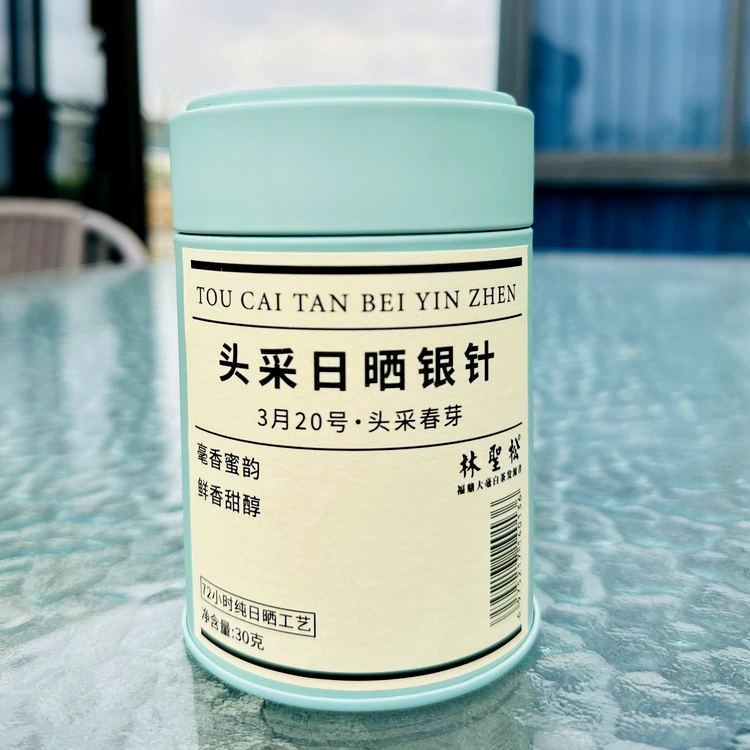
Pekoe aroma and milky aroma are the most iconic aroma characteristics of white tea. When hot water is poured over Bai Hao Yin Zhen, the fine white down covering the buds releases a sweet milky fragrance, somewhat like steamed rice or fresh cream.
This aroma is most obvious in Bai Hao Yin Zhen and White Peony with many buds. The more vivid the milky pekoe aroma is, the fresher the tea generally is and the better it has been stored; we can use this to judge how fresh they are.
2. Fresh grassy aroma and lotus leaf aroma
Fresh grassy aroma is usually found in tender Shou Mei and in spring White Peony picked a little later. This aroma has a very clean vegetal quality, like freshly cut grass after rain.
In autumn, the leaves grow older and thicker, and the grassy aroma becomes sweeter, giving rise to a lotus leaf aroma; this lotus leaf aroma is most typical in Bailu Shou Mei. This kind of smell is what fresh tea is supposed to have; it does not mean the tea is bad.
3. Floral aroma
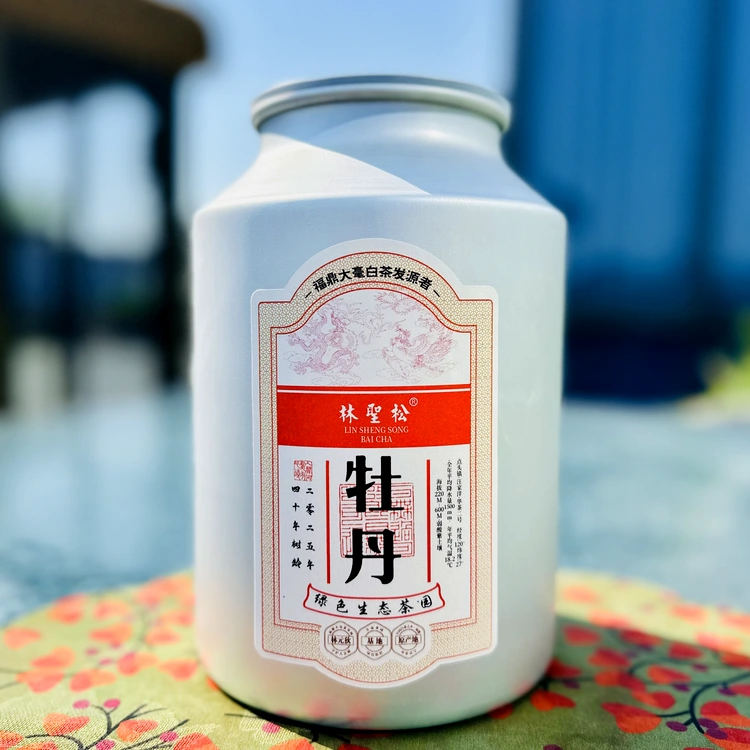
Floral aroma often appears consistently in White Peony, mostly as orchid fragrance, occasionally with sweet osmanthus or light jasmine notes. Among them, white tea with more buds has an orchid aroma that is elegant and cool; white tea with more leaves has a greener floral aroma that floats lightly on the tea liquor and does not hit the nose.
If you like orchid aroma, it is recommended to choose that year's White Peony first.
4. Fruity aroma
The fruity aroma of white tea will not be as strong as a fruit platter; it is just a faint hint. Spring tea may carry a little pear or white peach aroma; high-mountain tea, with large temperature differences between day and night, accumulates more aromatic substances and may have a light citrus note. If the white tea you buy has a very strong mango smell, be cautious; it is most likely artificially flavored or blended.
5. Honey aroma
Honey aroma is produced when the internal sugars in White Peony and spring Shou Mei gradually transform after being stored for one or two years; it is sweet but not cloying. Many people like honey aroma; it is the flavor of transition from fresh tea to aged tea, with flavor and layers, and you do not have to wait for many years.
Aged tea aromas: flavors settled out by time
After two or three years of proper storage, the bright fresh tea aroma of white tea will gradually fade and turn into a mellow aged aroma.
1. Jujube aroma
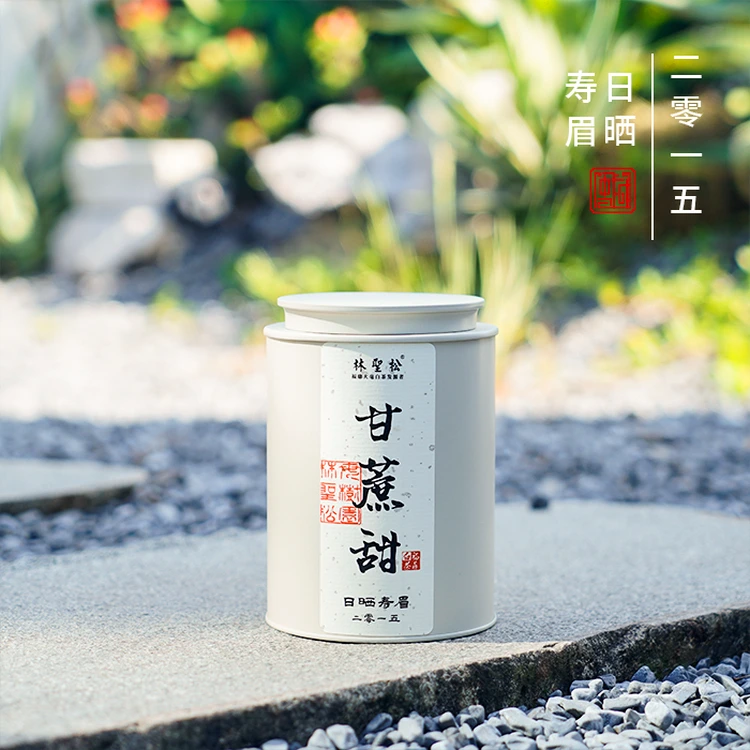
Jujube aroma is the most classic aroma of aged Shou Mei. Compressed Shou Mei stored in a clean environment for three to five years will develop a rich, full dry date sweetness.
The jujube aroma of white tea does not appear casually; it requires enough stems and old leaves to provide sugars and pectin, proper sun withering at the beginning, pressing into tea cakes, and subsequent sealed dry storage to form this attractive aroma.
Break off a piece of aged Shou Mei, and you can directly smell this aroma.
2. Woody aroma and camphor aroma
After more than five years of storage, the jujube aroma of white tea will gradually weaken, turning into the smell of old wood and cedar, occasionally with a light camphor note. This aroma is quiet and does not rush at you; it is integrated into the tea liquor. After drinking and pouring out the tea, the empty cup still retains this smell.
3. Medicinal aroma
Cleanly stored aged white tea, after seven or eight years of transformation, will develop a warm medicinal aroma, similar to the gentle herbal sweetness of aged tangerine peel, neither bitter nor irritating. This aroma is what experienced tea drinkers have been waiting for.
But "medicinal aroma" is also the most easily misused by merchants. Some moisture-damaged and moldy white teas give off a stuffy moldy smell, and dishonest merchants also call it medicinal aroma. Medicinal aroma and stuffy moldy smell are completely different; only when you can distinguish these two smells can you be considered a beginner in aged white tea.
Four practical steps to teach you how to smell white tea
Many people have drunk white tea for years but have never properly smelled it. If we can spend two minutes each time we taste tea to learn to smell the aroma of white tea, this will completely change the way we choose tea. Smelling the tea aroma is also a common evaluation method in tea shops.
1. Warm the cup and smell the dry tea
Before brewing white tea, we can warm the gaiwan or cup, put in about 5 grams of dry tea, cover it, let it sit for a few seconds, and then bring it close to smell. At this time, we can smell the fresh sweetness of bud tea and the grassy smell of leaf tea. If you detect a moldy or sour smell in the dry tea, there is a high chance that the white tea has problems and needs to be treated with caution.
2. Rinse the tea and smell the wet leaves
After smelling the dry tea, we can brew the leaves with hot water to awaken their true aroma. For floral-style White Peony, the orchid aroma will come out at this time; aged Shou Mei will unfold and release its jujube aroma. For wet tea leaves, they must smell clean and fresh; if they smell stuffy or overcooked, it indicates a problem in processing.
3. Smell the lid and wait for it to cool
Smelling the aroma on the lid can be divided into three stages. Right after pouring out the tea liquor, the lid smells sharp and the grassy smell is strong; do not make a judgment at this point. When the lid slowly cools down and is still slightly warm, you can then smell fruity and honey aromas. When it has completely cooled, the truest flavor of the tea appears, and the off-flavors hidden by high temperature will also emerge.
4. Smell the empty cup and the cup bottom aroma
The last stage is to pour out all the tea liquor and let the cup cool slightly before smelling. Good-quality white tea will leave a sweet lingering aroma in the empty cup, which is the cup bottom aroma. Especially for aged white tea, this is an important standard for judging whether the tea is good and clean. Tea connoisseurs often do not wash their tasting cups with detergent, just to preserve the aroma at the bottom of the cup.
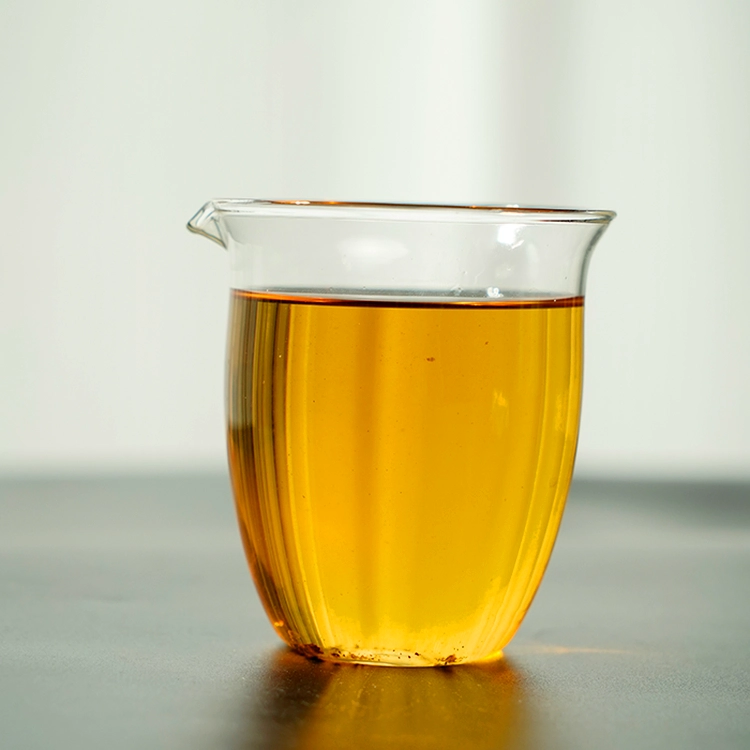
When you encounter these smells, be alert
If you smell something strange during the process of smelling tea aroma, firmly trust your nose. Because white tea with proper processing and storage smells fresh from dry tea to empty cup throughout the entire process.
In daily tea drinking, there are three common bad smells we need to identify:
Moldy smell and damp smell: This is usually caused by the tea absorbing moisture. Many beginners fall into this trap and mistake the stuffy smell of moisture-damaged tea for an "aged tea taste." Moisture-damaged tea has a murky and stuffy aroma, while well-stored aged tea has a sweet, smooth, and layered aroma. If the dry leaves of a white tea feel soft and not crisp, it means poor storage has already ruined the tea.
Sour smell and stuffy green smell: These bad smells are mainly caused by irregular processing, not by storage. If fresh leaves are piled together while still warm, or if drying is too slow, the white tea will become sour and stuffy. Because white tea does not undergo roasting to cover up flaws, such defects are directly exposed.
Smoky smell: This is because smoke from the drying fire gets onto the tea leaves. A light smoky smell will dissipate over time, and this smell should not appear in the finished product. Moreover, this aroma is not the same as the mild woody aroma of normal aged tea, so we need to distinguish them carefully.
In addition, we should also pay attention to the cabinet where white tea is stored. Because white tea has no added flavoring to mask off-odors, if coffee or spices are placed next to the tea container, the white tea will absorb those smells. So when storing tea, remember a few key points: sealed, dry, away from light, and away from strong odors.
Learn to choose white tea with your nose
If new tea drinkers can put the above methods into practice, then when buying white tea, it is like bringing along a free tea inspection toolkit. Smell the dry tea to see if storage is good; use the first rinse to judge whether the processing is good. Then, according to your own preferences, choose the type of aroma you truly like.
If you prefer a milky pekoe aroma, you can choose Bai Hao Yin Zhen; if you like orchid fragrance and honey sweetness, you can choose White Peony as your daily tea; if you want to experience what proper tea storage can bring, aged Shou Mei is a very cost-effective study sample. At the same time, if you master the brewing of aged Shou Mei, you can taste its complete flavor.
So next time you open a new white tea, do not rush to pour water and brew it; take ten seconds. Warm the tea ware, put in the dry tea, cover it, and quietly smell it. Just this one step will give you far more information than the packaging label: grade, picking season, how long it has been stored, and whether the tea has been properly treated. White tea hides its entire story in its aroma; you only need to slow down and feel it with your heart.