
What Is Mellow Flavor in Aged White Tea?How to Taste and Understand It
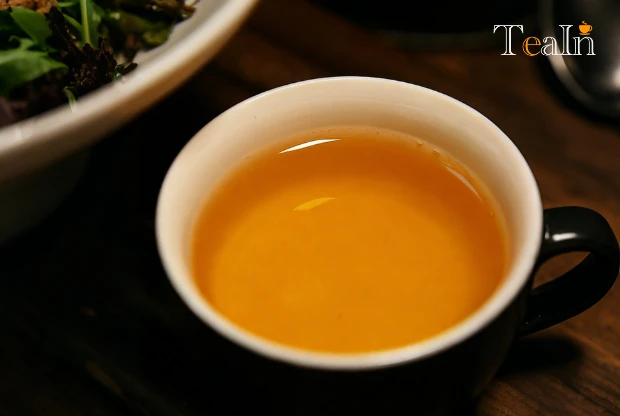
One of the most charming traits of aged white tea is the "mellow flavor" that develops gradually through aging. For tea lovers, "mellowness" is an indispensable core experience when tasting high-quality aged white tea. This indescribable taste is neither pure sweetness nor heavy bitterness, but a full, silky, and long-lasting sensory pleasure that serves as a key criterion for judging aged white tea’s quality. To truly appreciate aged white tea, one must first understand this mellow flavor forged by time.
I. What Is Mellow Flavor in Aged White Tea
Mellow flavor in aged white tea is a multi-dimensional sensory experience, centered on the fullness and harmony of the taste.
Derived from its literal meaning, "mellow" signifies purity and richness, much like undiluted original liquor. Specifically in tea liquor, it manifests as a dense texture the moment it touches the tongue. It is not a thin, watery consistency but a slightly viscous, silky texture that glides down the throat—gentle yet substantive, free of sharp irritation. Meanwhile, "mellowness" is accompanied by long-lasting sweetness. This sweetness is not intense or abrupt; instead, it spreads slowly across the mouth from the first sip, with a lingering aftertaste and distinct throat resonance. Even after swallowing, the mouth retains a refreshing, sweet moisture.
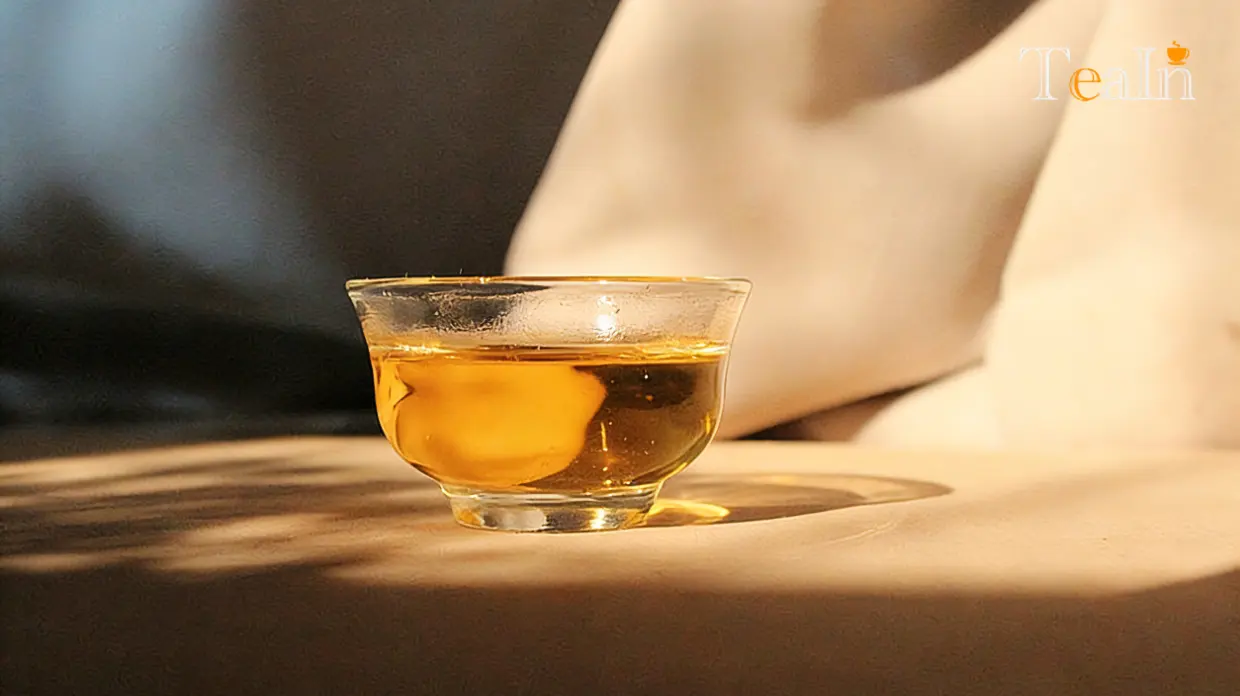
In simple terms, mellow flavor in aged white tea is a comprehensive expression of fullness, silkiness, and enduring sweetness—a harmonious blend of the tea’s internal substances.
II. The Origins of Mellow Flavor: Synergistic Transformation of Time and Substances
Mellow flavor in aged white tea is not inherent. It is the result of interactions between time-induced aging and the tea’s internal compounds. Every sip of mellow tea is a product of time’s gestation.
1. Transformation of Tea Polyphenols
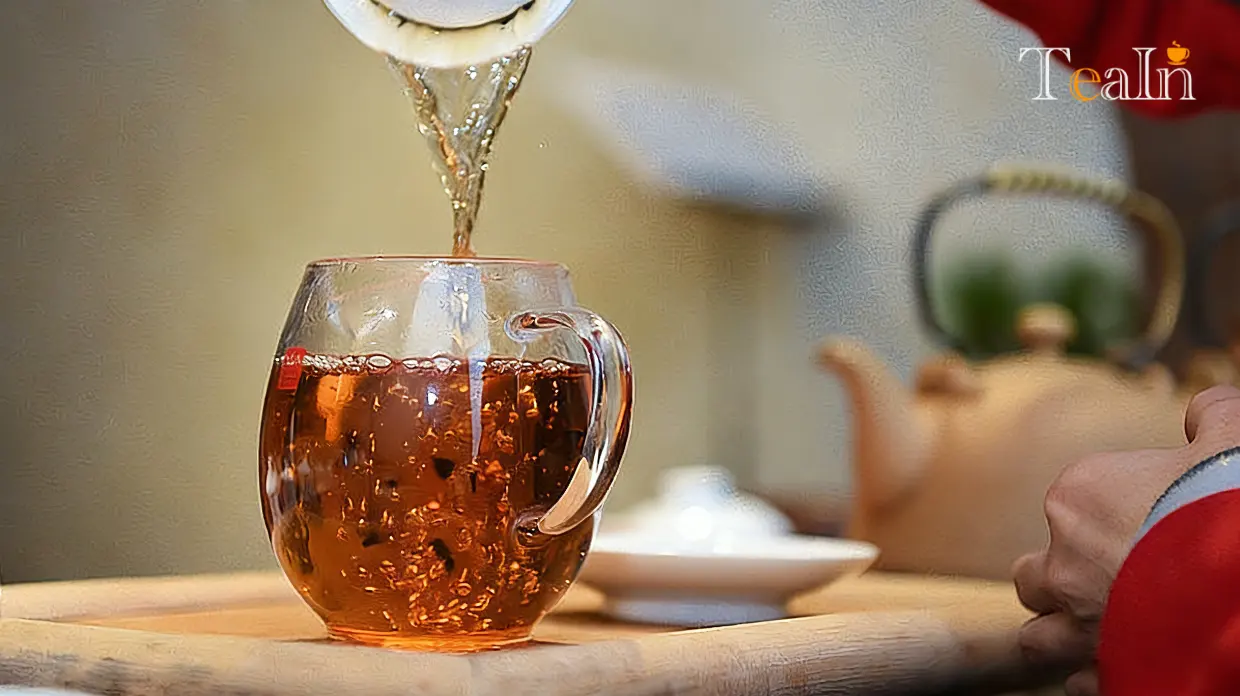
Tea polyphenols are core compounds shaping tea’s flavor, but they are also the main cause of bitterness. During the aging of white tea, tea polyphenols decrease annually by approximately 5.3%. After 20 years of storage, the tea polyphenol content of aged white tea can drop to 36.12% of its original level as a new tea. These reduced polyphenols do not disappear; instead, they gradually transform into milder substances such as flavonoids, theaflavins, and thearubigins. Among them, simple catechins contribute to a smooth taste, ester-type catechins add astringency, theaflavins enhance freshness, and thearubigins boost sweetness. Together, they eliminate the astringency of new tea, resulting in a more rounded flavor.
2. Accumulation and Fusion of Internal Substances
Aged white tea’s production process—without pan-frying or rolling—preserves abundant natural nutrients. During long-term aging, amino acids, soluble sugars, pectin, and other substances in the tea continuously fuse with transformed active compounds, enriching the tea liquor’s content. Pectin, in particular, increases the liquor’s viscosity and silkiness, creating a fuller, smoother texture. Meanwhile, the slow release of soluble sugars delivers long-lasting sweetness, balancing other flavor compounds to ultimately produce the "mellow" characteristic.
III. Mellow Flavor Across Different Aging Stages
Mellow flavor in aged white tea is not static; it evolves with aging, offering unique characteristics at each stage:
1. 3–5 Years Aged: Sweet and Mellow
In this stage, the transformation of tea polyphenols is initially evident, and most astringency fades. The tea liquor tastes sweet and mellow with a full yet not heavy texture. It is accompanied by distinct jujube or floral notes, with a quick aftertaste and refreshing throat resonance. The "mellowness" here leans toward "sweet and smooth," making it an ideal introduction to tasting aged white tea’s mellow flavor.
2. 5–10 Years Aged: Rich and Silky
As aging progresses, material transformation deepens, significantly enhancing the liquor’s viscosity and body. Upon sipping, one feels an intense silkiness, with prolonged sweetness. Aromas shift from jujube to herbal and woody, offering richer layers. The "mellowness" at this stage is "rich and silky," with a rounded, seamless taste and a long-lasting throat finish.
3. 10+ Years Aged: Ultimate Smoothness
For aged white tea stored over a decade, mellow flavor reaches its peak. Various compounds in the tea have fully fused, resulting in a liquor as smooth as silk. There are no abrupt flavors—only pure richness and sweetness. Aromas present as intense glutinous, herbal, or aged notes, with an orange-red, translucent liquor. Drinking it brings overall comfort, with a lingering throat resonance. This "ultimate smoothness" is the most precious flavor experience of aged white tea.
IV. How to Taste Mellow Flavor in Aged White Tea
Tasting mellow flavor in aged white tea requires the coordination of sight, smell, and taste to fully capture its essence:
1. Observe the Liquor Color: External Manifestation of Mellowness
Aged white tea with mellow flavor always has a clear, translucent liquor. Tea aged 3–5 years presents a golden or orange-yellow hue; 5–10 years yields an orange-red color; and 10+ years produces a deep orange-red liquor, free of turbidity or sediment. The darker and clearer the liquor, the more thorough the aging process, and the richer the mellow flavor.
2. Smell the Aroma: Prelude to Mellowness
Aroma and mellow flavor are complementary. Aged white tea with mellow flavor boasts a pure, intense aroma—evolving from initial floral and downy notes to jujube, herbal, woody, or glutinous scents. The more stable and long-lasting the aroma, the more complete the material transformation, and the fuller the mellow flavor.
3. Taste the Liquor: Core Experience of Mellowness
First, feel the fullness—whether it has a dense texture rather than a thin, watery consistency. Next, assess the silkiness—whether it slides down the throat smoothly without astringency or irritation. Finally, note the aftertaste and throat resonance—how long the sweetness lasts and whether a refreshing finish remains. These three elements together constitute the sensory experience of mellow flavor, and none can be missing.
4. Examine the Leaves: Verify the Foundation of Mellowness
High-quality aged white tea, even after multiple infusions, retains soft, resilient leaves with a uniform yellowish-brown color. The toughness and softness of the leaves reflect the quality of the raw materials—only premium tea leaves can develop full mellow flavor through aging.
V. Key Factors to Unlock Mellow Flavor in Aged White Tea
To enjoy aged white tea’s mellow flavor, three core conditions must be met in addition to time:
1. Premium Raw Materials and Craftsmanship
The foundation of mellow flavor lies in high-quality raw materials. Tea grown in high-altitude, ecologically sound environments is rich in internal substances. Meanwhile, the traditional sun-withered process better preserves the tea’s nutrients, laying the groundwork for subsequent aging and mellow flavor development.
2. Scientific Storage Conditions
Aged white tea requires a stable environment for aging, adhering to the principles of sealed, dry, dark, room temperature, and odor-free storage. Moisture, light, and odors can damage the tea’s quality, leading to failed aging and preventing the formation of true mellow flavor. Only proper storage allows the tea to transform slowly over time, nurturing a rich, mellow taste.
3. Appropriate Brewing Methods
When brewing aged white tea, water temperature should be controlled at 95–100°C to fully extract internal substances and showcase mellow flavor. For the first three infusions, steep for 3–5 seconds, gradually extending the time for subsequent infusions to avoid bitterness from over-steeping. The ideal tea-to-water ratio is 4–5 grams of tea per 110ml gaiwan, ensuring a full-bodied liquor without compromising the harmony of mellow flavor.
Summary
This article explores the "mellow flavor" of aged white tea, systematically answering core questions such as "what it is," "how it forms," "how it manifests across aging stages," "how to taste it," and "key factors to unlock it." Mellow flavor in aged white tea is a comprehensive experience of fullness, silkiness, and enduring sweetness, resulting from the transformation of tea polyphenols into flavonoids, theaflavins, and other substances during aging, as well as the accumulation and fusion of internal compounds. Its expression varies by aging stage: sweet and mellow at 3–5 years, rich and silky at 5–10 years, and ultimately smooth at 10+ years. Tasting it involves observing the liquor color, smelling the aroma, savoring the taste, and examining the leaves. Premium raw materials, scientific storage, and appropriate brewing are the keys to unlocking mellow flavor. The mellow flavor of aged white tea is a gift from time and nature, the core joy of tasting aged white tea, and a testament to the precious value of high-quality aged white tea.