What’s the Best White Tea for Beginners?
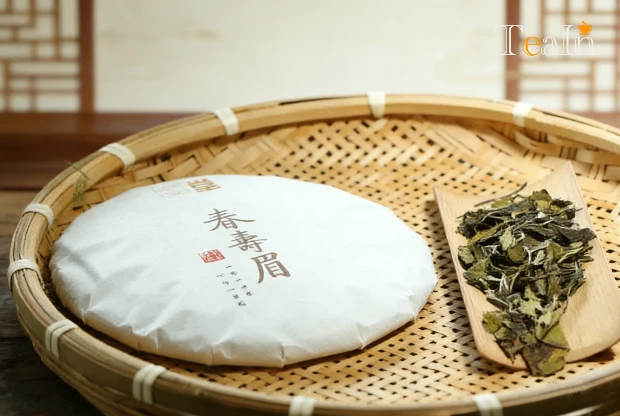
White tea, a treasure among China’s traditional tea categories, has gained popularity among more and more tea lovers for its simple production process without pan-frying or rolling, and its fresh, mild flavor. However, for beginners, choosing between Baihao Yinzhen (Silver Needle), Bai Mudan (White Peony), Shoumei, and other varieties can be a dilemma. Which type is most suitable for getting started? The answer is clear: Shoumei. Known as the "fan favorite" of white teas, this variety has become the optimal choice for beginners to embark on their white tea journey, thanks to its many natural advantages.
I. High Yield and Easy Access: Start Your White Tea Journey Effortlessly
Shoumei boasts the highest yield among all white tea varieties, which is a key reason it stands out as a beginner-friendly option. During the spring tea season, Shoumei is harvested for over 20 days, and during the autumn tea season, the harvesting period extends to more than 70 days, almost covering the entire autumn. Its abundant yield means Shoumei doesn’t carry a "scarcity premium," allowing it to reach consumers through wider channels and become the first white tea most people try.
Many beginners mistakenly believe "high yield equals low-quality tea" but this couldn’t be further from the truth. High yield lowers the barrier to entry for Shoumei—you don’t need to spend much effort searching for channels to buy quality products easily. Like a "first love" in the tea world, no matter how many high-end white teas you try later, the pure initial experience of Shoumei remains memorable. This low-threshold access lets beginners take their first step into exploring white tea without pressure.
II. Affordable Price: Reduce Trial and Error Costs
For beginners, the biggest mistake in the initial stage is spending a lot on tea that doesn’t suit their taste. Shoumei’s price advantage solves this pain point, making it a core reason for winning over new tea lovers.
Shoumei’s price range is diverse, varying by tea garden location, production process, and grade. For example, high-mountain Shoumei is more expensive than plain-area Shoumei due to its superior growing environment, and sun-withered Shoumei is more valuable than indoor-withered Shoumei because of its complex process. Overall, however, its average price is much lower than Baihao Yinzhen and Bai Mudan. Ordinary-quality Shoumei is affordable, allowing even inexperienced beginners to try it without worrying about "wasting money on the wrong tea." This low trial and error cost lets beginners explore with confidence, gradually building their understanding of white tea’s flavor and laying the foundation for trying higher-grade varieties later.
III. Rich and Universal Flavor: Suitable for Beginner Tastes
Shoumei’s charm lies in its diverse and universal flavor, which is especially ideal for beginners to develop a love for white tea.
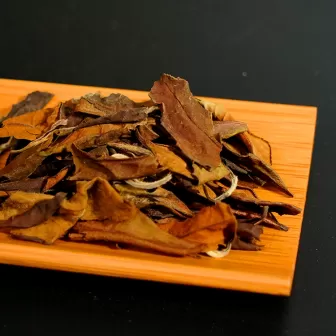
Shoumei offers rich aroma layers. Fresh Shoumei has a clean floral and sweet scent, with a mild, smooth taste and no bitterness. After aging, it reveals even more delightful flavors. When combined with the right process (sun withering), form (compressed into cakes), and proper storage conditions, aged Shoumei cakes gradually develop rich aromas such as jujube, aged, and herbal notes. Among these, jujube aroma is a universally loved scent—warm, sweet, and highly recognizable—with almost no entry barrier, unlike some special aromas in other teas that may divide opinions.
What’s more, Shoumei has a detailed classification system. Beyond the basic spring and autumn Shoumei, it can be subdivided by solar terms into late-spring Shoumei, Start of Autumn Shoumei, White Dew Shoumei, Cold Dew Shoumei, and even Frost’s Descent Shoumei in leap years. Each solar term-specific Shoumei has a unique flavor: spring Shoumei is fresh and elegant, autumn Shoumei is rich and full-bodied, and White Dew Shoumei has a prominent sweet aroma. These rich flavor variations let beginners discover new surprises with each sip, gradually improving their ability to appreciate white tea.
IV. Lenient Storage Requirements: Easy to Maintain for Beginners
Storing white tea can be a challenge for beginners, but Shoumei’s "hardy" nature significantly reduces the difficulty.
Baihao Yinzhen’s buds have a bamboo shoot-like structure, protected by white down but highly susceptible to moisture absorption, which causes off-odors like chocolate or sour plum when damp. Bai Mudan has delicate leaves and similar bud structures, also sensitive to humidity. In contrast, Shoumei has thinner buds, large, thick leaves, and a thicker waxy layer on the surface, providing better water resistance and requiring relatively lenient storage conditions.
Of course, Shoumei still needs to follow white tea’s basic storage principles: sealed, dry, dark, room temperature, and odor-free. However, it doesn’t require the same "tight defense" as Baihao Yinzhen or Bai Mudan. Even if beginners occasionally neglect it, as long as the core storage conditions are met, Shoumei is not easily spoiled and can age steadily. This low maintenance cost lets beginners avoid anxiety about "not storing tea properly" and focus more on savoring the tea itself.
V. Simple Brewing: Hard to Go Wrong
For beginners, complex brewing techniques are often a barrier to entry, but Shoumei’s "forgiving" nature makes making tea simple and easy.
Shoumei has thick leaves and abundant internal substances, giving it a high tolerance for mistakes. Even without professional brewing skills, it’s hard to make a bitter, undrinkable cup. For example, autumn Shoumei remains mild and mellow even if the water temperature is slightly too high or the steeping time is a bit long. It can be brewed in a glass, gaiwan, or even a mug, all yielding a pleasant flavor. This "hard to ruin" trait greatly enhances beginners’ tea-drinking experience, boosting their confidence and encouraging them to explore the joys of brewing white tea more deeply.
VI. Tips for Beginners: Selection and Serving
1. Selection Tips
- Prioritize autumn Shoumei for beginners: Autumn Shoumei has a richer flavor and fuller taste with higher tolerance for mistakes, making it ideal for beginners to build a positive perception of white tea.
- Pay attention to process and tea garden location: Beginners can start with basic versions. For a higher-quality experience, choose sun-withered high-mountain Shoumei, which offers purer aroma and fuller taste.
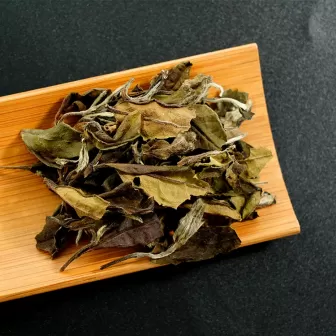
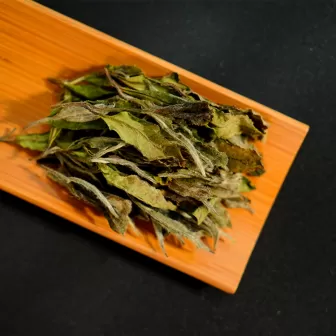
- Inspect dry tea and liquor: High-quality Shoumei has intact strips, natural color, no mold or off-odors. When brewed, the liquor is clear and translucent with a sweet, clean taste.
2. Serving Suggestions
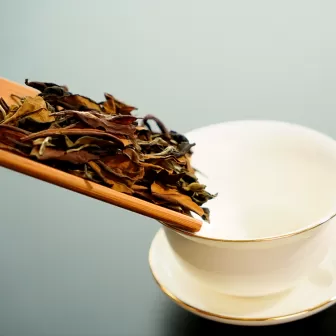
- Daily self-drinking: Brew 3-5 grams of Shoumei in a mug or gaiwan with water around 95°C. Adjust steeping time flexibly for anytime enjoyment.
- Leisure sharing: Simmer aged Shoumei cakes in a teapot, paired with dried tangerine peel or wolfberries for a richer flavor. Perfect for small gatherings with friends.
- Scene adaptation: Fresh spring Shoumei is suitable for morning drinks, rich autumn Shoumei for afternoon relaxation, and warm aged Shoumei for winter warmth.
Summary
This article focuses on "the best white tea for beginners" and confirms that Shoumei is the optimal choice for new tea lovers exploring white tea. It analyzes Shoumei’s core advantages from five aspects: high yield and easy access lower the entry barrier; affordable price reduces trial and error costs; rich, universal flavors (such as jujube aroma) suit beginner tastes; lenient storage requirements make it easy for beginners to maintain; simple brewing with high mistake tolerance enhances the entry experience. Additional tips for beginners include selecting autumn Shoumei first, paying attention to process and tea garden location, and adapting serving methods to different scenes. With its "low threshold, high tolerance, and many surprises," Shoumei helps beginners easily start their white tea journey, allowing them to gradually experience the charm of white tea in a stress-free way and serving as an ideal bridge between beginners and the world of white tea.