
Where Does White Tea's Sweetness Come From? The Secret of Its Natural Sweetness
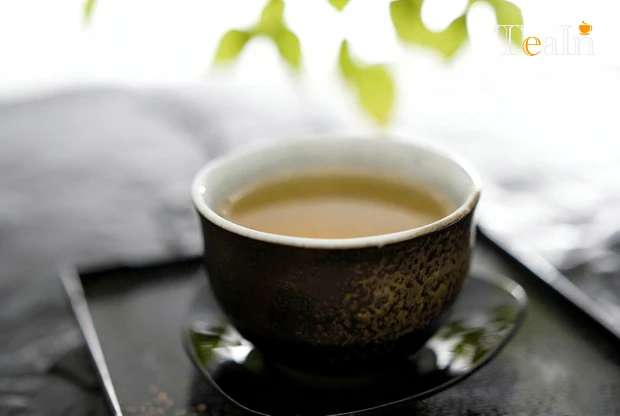
Many tea lovers are drawn to white tea for its natural, pure sweetness—clean and not cloying—leading them to wonder if sugar is added during production. In reality, white tea’s sweetness comes entirely from the tea leaves’ natural components with no artificial additives. It is the result of the interaction between the tea’s internal substances, its unique processing, and the aging process.
White tea’s fresh sweetness first originates from its rich amino acid content. White tea uses a minimalist processing method with no stir-frying or rolling. The core step is natural withering: fresh tea leaves slowly lose moisture in a well-ventilated, dark, and constant-temperature environment. During this process, proteins in the leaves gradually hydrolyze to form various amino acids. These amino acids not only impart a fresh taste but also a natural sweetness, with theanine being the key component. It neutralizes the tea’s slight bitterness, making the sweetness more prominent. Furthermore, during long-term aging, the internal substances in the tea continue to transform, and amino acid content becomes more concentrated, giving aged white tea a warmer, longer-lasting sweetness.
Natural sugars in the tea leaves are another important source of sweetness. White tea contains various carbohydrates, including monosaccharides, disaccharides, and polysaccharides. Glucose, fructose (monosaccharides), and sucrose (disaccharide) are soluble in water and quickly release into the tea liquor during brewing, providing an immediate sweet taste. Although polysaccharides have a low sweetness level, they enhance the liquor’s smoothness and body, adding depth to the sweetness without feeling thin. Different types of white tea have varying sugar contents due to differences in raw material maturity. For example, Shoumei, with its mature leaves and tea stems, has higher polysaccharide content, resulting in a richer, more lingering sweetness than Baihao Yinzhen (Silver Needle), which is made primarily from tender buds.
The unique processing and aging process further amplify white tea’s sweetness. The "no stir-frying or rolling" method avoids high temperatures that would destroy the tea’s nutrients, maximizing the retention of amino acids, sugars, and other sweetening substances. The slow natural withering allows for full material transformation, preventing the loss of sweetness due to over-processing. For aged white tea, long-term aging not only accumulates amino acids and sugars but also slowly transforms bitter substances like tea polyphenols, reducing irritation and making sweetness the dominant flavor. This is why aged white tea is sweeter and smoother than new white tea.
Different types of white tea offer distinct sweet profiles. Baihao Yinzhen, made from buds, has the highest amino acid content, with a fresh, elegant sweetness accompanied by a subtle downy aroma. Bai Mudan (White Peony), with its mix of buds and leaves, balances freshness and richness, with floral notes complementing the sweetness. Shoumei, with mature leaves and stems, has higher sugar and polysaccharide content, delivering a mellow, 温润 sweetness with a long-lasting aftertaste. These differences allow tea lovers with varied preferences to find their ideal sweet flavor, reflecting the natural diversity of white tea.
White tea’s sweetness is a gift from nature, crafted by the tea’s inherent nutrients, minimalist processing, and the passage of time. Free from artificial sugar additives, it offers pure sweetness from amino acids and the warmth of natural sugars. This sweetness is not only pleasant to the palate but also aligns with healthy tea-drinking habits. To savor the sweetness of white tea is to experience the most authentic natural flavor of the tea leaf.
Summary
This article addresses the core question "Where does white tea's sweetness come from?" and debunks the myth of artificial sugar addition. It explains that white tea’s natural sweetness stems from two key factors: amino acids (produced by protein hydrolysis during natural withering and concentrated during aging) and natural sugars (monosaccharides and disaccharides for immediate sweetness, polysaccharides for smoothness). The minimalist "no stir-frying or rolling" processing preserves nutrients, while aging reduces bitterness and enhances sweetness. Different white tea varieties offer distinct sweet profiles due to raw material differences. The article emphasizes that white tea’s sweetness is purely natural, embodying the authentic flavor of the tea leaf.