



2024 First Harvest White Peony Tea with Charcoal Roasting
- OriginFuding, Fujian
- Vintage2024
- GradeFirst Harvest · Charcoal Roasted
- Add to wishlist
- Add to compare
Product Description
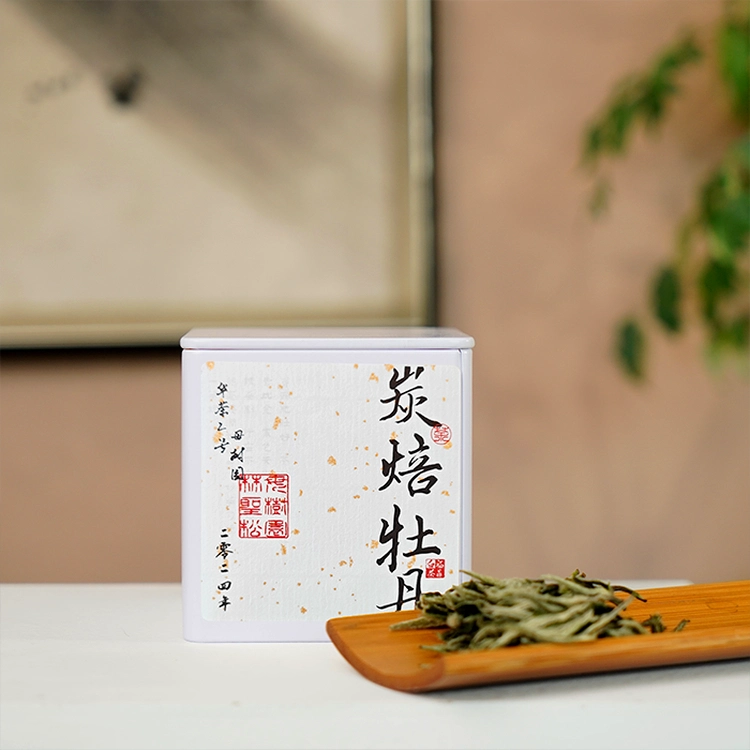
2024 First Harvest White Peony Tea with Charcoal Roasting – the rested edition
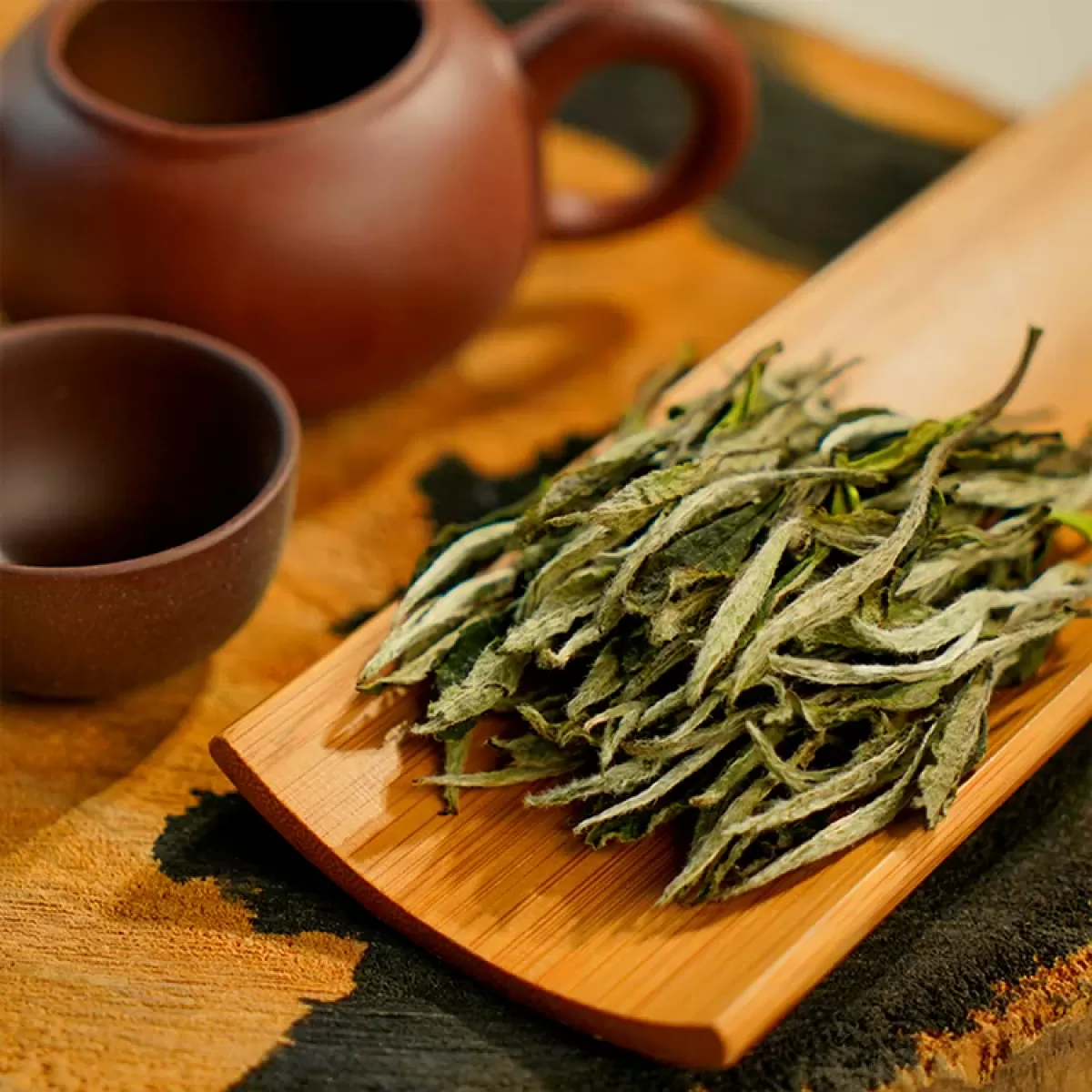
This White Peony (Bai Mu Dan) was picked in the 2024 spring harvest – one bud with one or two tender leaves – and finished over fruit-wood charcoal. It is the same line as the 2025 first-harvest release, but this is the rested edition: the 2024 batch has now had a full year off the roaster, and that rest is exactly what changes the cup. Where the fresh 2025 batch is bright and lively, this one drinks calm, round and already integrated.
Why a year of rest changes a charcoal roast
Freshly roasted white tea can be a little assertive – the charcoal note sits apart from the floral top notes, and the heat can keep the roast flavour riding on the surface. The 2024 batch has had twelve months to integrate, and that resting period is a deliberate part of the process, not an afterthought. Over the year, the roast depth folds into the body and the two layers gradually merge, so the tea drinks smooth and even from the first infusion, without the youthful edges of a just-roasted leaf.
If you have tried the 2025 release, the difference is immediate: that tea is for drinkers who want the lively, just-roasted character, while this 2024 lot is for anyone who prefers a roasted White Peony that has already settled into composure. Having both in the cupboard is not redundancy – it is the difference between drinking a tea as it finishes roasting and drinking it after it has had a year to find its balance.
Raw material and craft
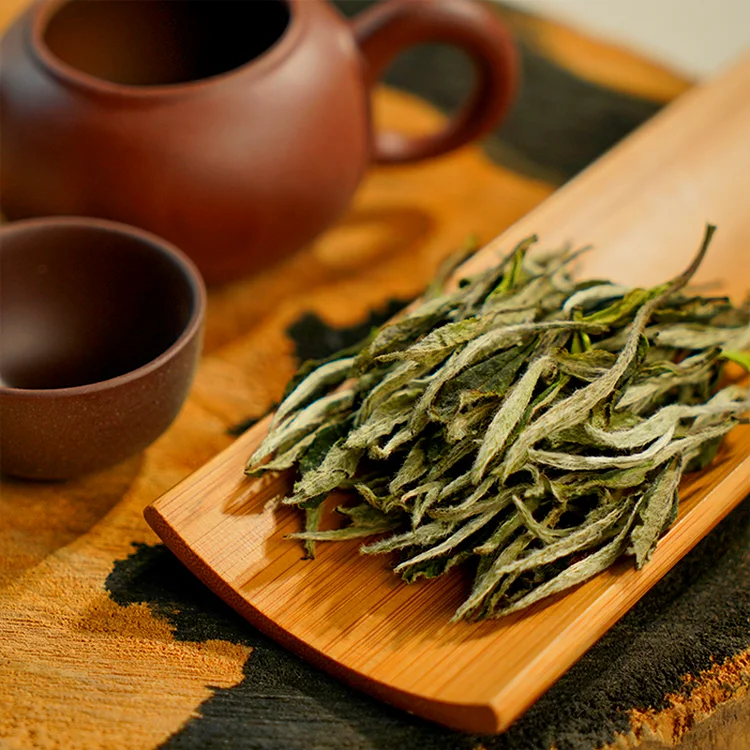
One bud, one or two leaves – the classic White Peony pluck, more affordable than single-bud Silver Needle while keeping the floral freshness of the bud. The presence of the leaves alongside the bud matters here: the leaves give the tea a fuller body and a slightly deeper sweetness than a single-bud tea, which is exactly what lets it carry the roast without turning heavy.
During the roast, the tea maker keeps the heat low and turns the leaf regularly, so the charcoal character penetrates evenly and the floral top notes are left intact. Because this batch is a first harvest, picked at the very start of the spring season, the buds are denser and the floral concentration higher than a later pluck would give.
Tasting notes
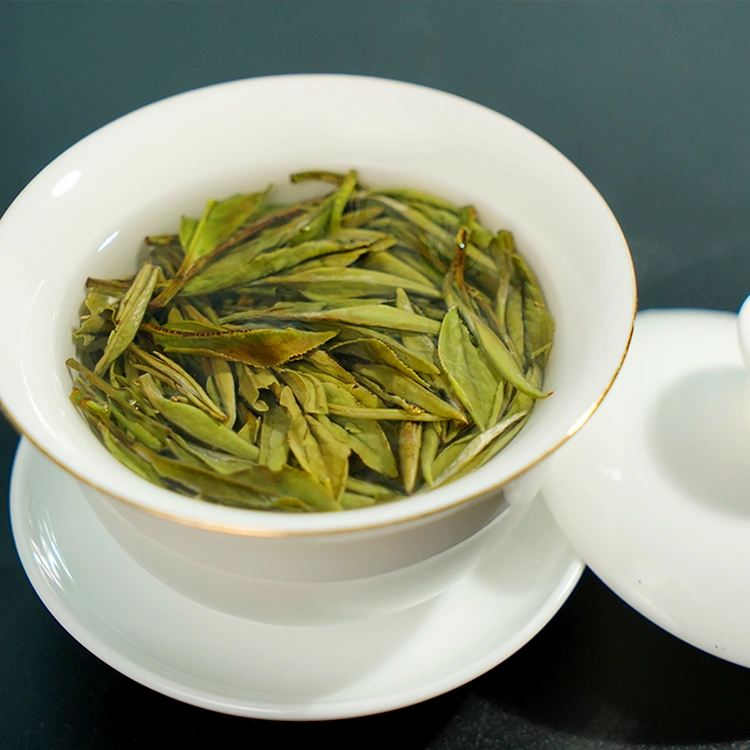
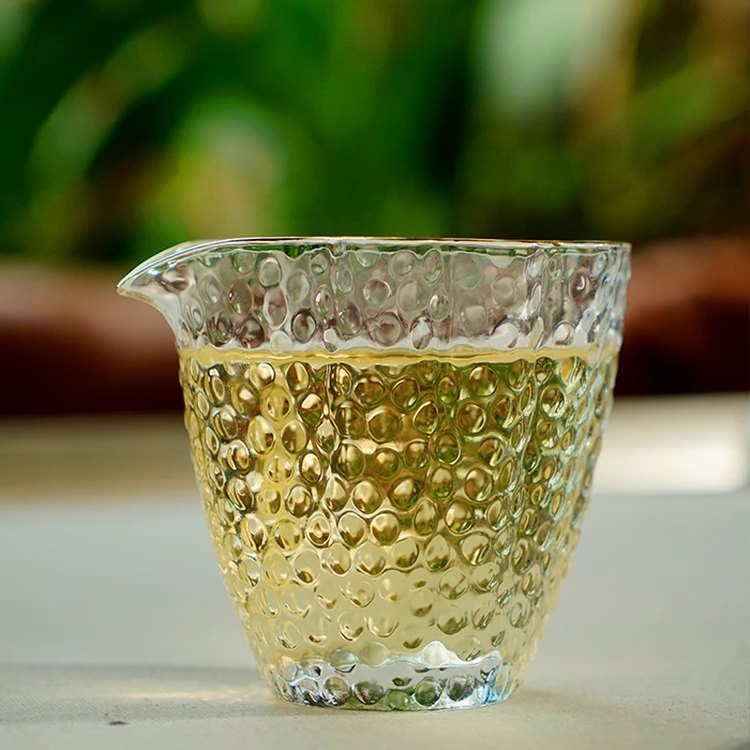
Dry leaf: downy scent with a settled, faint smoky note. Liquor: clear amber. Taste: floral opening, then a smooth, rounded body where the roast has fully merged. Aftertaste: sweet and warm, lingering.
In the cup, the floral note arrives first and stays clean rather than being buried, while the body underneath is smooth and rounded, with the roast present as warmth rather than smoke. The sweetness builds gently as the cup cools, and the finish lingers with a soft, honeyed warmth. Across several infusions the tea keeps its composure: the first cups are the most floral, the middle ones the fullest, and the later ones soften into a quiet, sweet warmth that is easy to keep drinking.
How to brew it
In a gaiwan, use about 3 g of leaf per 100 ml at 90–95°C, steeping the first round for 10–15 seconds and lengthening each subsequent round by a few seconds. In a thermos or covered cup, use about 2 g per 300 ml with a 3–4 minute steep, topping up with hot water as you go. The rested, roasted leaf is forgiving of a slightly higher temperature than an unroasted White Peony, but a hard rolling boil will still flatten the floral notes.
Who it suits
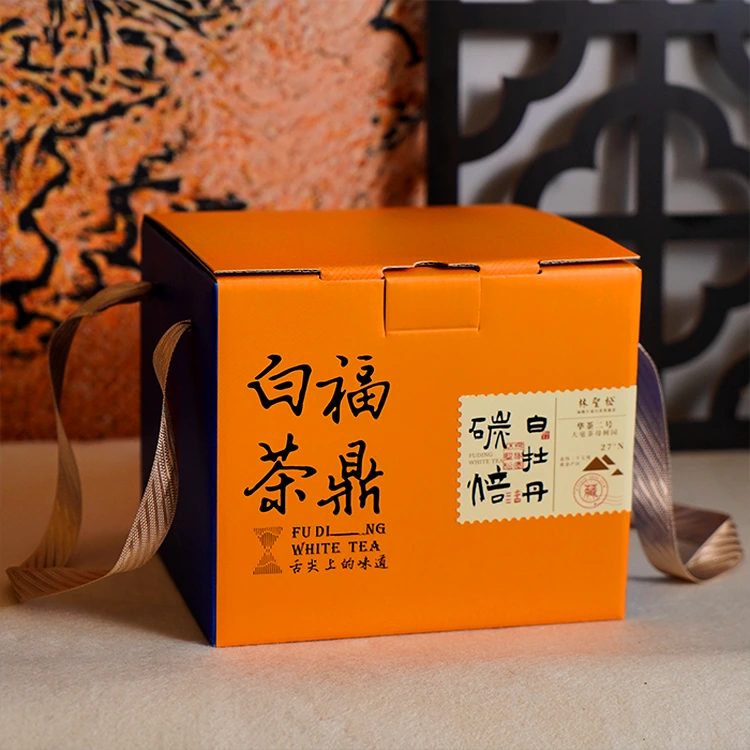
Choose this one if you prefer a roasted White Peony that is already calm and integrated, or if you want the older, more settled sibling of the 2025 release to compare side by side. It drinks well now, or you can hold it for another year or two and the honeyed depth will keep building. It is equally suited to daily drinking and to gifting: the rested roast gives it a composed character that needs no explanation. Because it is a 2024 batch, the stock is fixed. Store it sealed, away from light, heat, and strong odours, to protect the integration it has already achieved. Available in 30 g, 250 g, and 500 g.