
Traditional Withering vs. Mechanical Withering: Which White Tea Should You Buy?
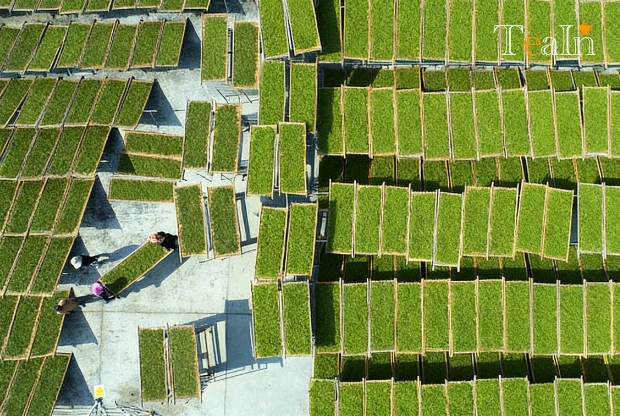
Withering is the core process of white tea production, directly determining the tea’s flavor, aroma, and quality trajectory. When purchasing white tea, many tea lovers struggle with choosing between "traditional withering" and "mechanical withering." The former carries the warmth of traditional craftsmanship, while the latter represents the efficiency of modern technology. There is no absolute superiority between the two—they are 工艺 choices suited to different needs. Combining the core principles of white tea withering, the characteristics of both processes, and their applicable scenarios, this article explains the key differences from three dimensions: process analysis, quality variations, and buying advice. It helps tea lovers establish a scientific understanding and make the right choice based on their own needs.
I. Core Definitions: The Essential Difference Between Two Withering Methods
The primary goal of withering is to allow fresh tea leaves to lose moisture slowly under controlled conditions, while triggering enzymatic reactions that transform components like tea polyphenols and amino acids, creating white tea’s unique freshness and sweetness. The fundamental difference between traditional and mechanical withering lies in the "method of environmental control" and "process rhythm."
1. Traditional Withering (Natural Withering)
Traditional withering is the oldest process for white tea, relying on natural conditions for moisture loss. Common methods include sun withering (drying in gentle morning or evening sunlight), shade withering (naturally air-drying in well-ventilated shade sheds or indoor spaces), and combined withering (a mix of sun and shade) used for some high-end white teas.
The entire process follows natural laws, with temperature, humidity, and ventilation determined entirely by the environment. Withering time typically ranges from 72 to 120 hours or longer. During slow moisture loss, the tea’s components transform gently and fully, preserving the maximum natural flavor.
2. Mechanical Withering (Artificially Controlled Withering)
Mechanical withering is the mainstream modern process for white tea production. Professional withering machines precisely control temperature (25-30℃), humidity (60%-70%), and air circulation to simulate the optimal conditions for natural withering.
Through hot air circulation or low-temperature drying technology, machines complete the withering process in 24-48 hours, independent of weather, enabling stable year-round production. The core of the process is "standardized control," ensuring consistent moisture loss and component transformation across every batch of tea.
II. Quality Differences: Flavor, Aroma, and Applicable Scenarios
The process differences between the two methods ultimately manifest in the tea’s quality, with distinct characteristics suited to different drinking needs.
1. Quality Traits of Traditionally Withered White Tea
- Aroma: Rich, layered, and pure. New tea has fresh floral and honey notes, while aged tea transforms into complex aromas like jujube and medicinal scents. The aroma is highly penetrating and long-lasting. This is because slow natural withering allows full synthesis and accumulation of aromatic substances in the tea, free from artificial off-tastes.
- Taste: The tea liquor is clear and translucent, with a fresh, sweet entry, silky smooth texture, and long-lasting sweet aftertaste. Subtle changes in the natural environment create diverse component transformations, resulting in layered flavors with a unique "natural wild charm."
- Infused Leaves: After brewing, the leaves are soft and resilient, evenly colored in bright yellowish-green or yellowish-brown, retaining the tea’s natural vitality.
- Applicable Scenarios: Ideal for tea lovers seeking ultimate flavor and a premium tasting experience. It is also an excellent choice for long-term aging. Its scarcity (low yield affected by weather) and unique flavor make it relatively expensive, mostly used for high-end white tea production.
2. Quality Traits of Mechanically Withered White Tea
- Aroma: High purity but relatively simple, dominated by fresh floral or fruity notes, lacking the complex nuances of traditional withering. The machine’s standardized control concentrates aromatic substance transformation, resulting in stable, consistent aroma without obvious off-tastes.
- Taste: The tea liquor is sweet and smooth, with prominent freshness and minimal bitterness. Uniform component transformation rhythm ensures strong taste consistency, with little variation between batches, making it suitable for daily consumption.
- Infused Leaves: Evenly colored and soft, with slightly lower vitality than traditionally withered white tea, but overall stable quality with no obvious flaws.
- Applicable Scenarios: Perfect for frequent daily drinking, cost-conscious tea lovers, and consumers seeking consistent taste. Its high production efficiency and lower cost make it affordable, the mainstream type of white tea on the market.
III. Buying Advice: Make the Best Choice Based on Your Needs
Choosing between traditionally and mechanically withered white tea depends on your drinking needs, budget, and collection plans. There’s no need to blindly pursue "traditional" or "modern"—the best choice is the one that suits you.
1. Prioritize Traditional Withering If
- You pursue unique flavor and tasting experience: You appreciate white tea’s natural wild charm and rich aroma layers, and are willing to pay more for quality.
- You have long-term aging plans: Traditionally withered white tea has greater potential for component transformation, with significant flavor improvement after aging, making it the first choice for collectible white tea.
- For special occasion consumption: Such as tea tastings or gift-giving, the scarcity and high quality of traditionally withered white tea better reflect its value.
2. Prioritize Mechanical Withering If
- You drink tea frequently daily: You value consistent taste and cost-effectiveness, do not need complex flavors, and only want pure, sweet daily tea.
- You have a limited budget: Mechanically withered white tea is more affordable, suitable for long-term purchase as daily staple tea.
- You require stable quality: You worry about quality fluctuations in traditional withering due to weather, and prefer consistent taste every time you drink.
3. Practical Buying Tips
- Check product labels and descriptions: Reputable brands clearly mark "traditional withering," "natural withering," or "mechanical withering." Some also indicate withering time and methods, which can be used as direct judgment criteria.
- Ask merchants about process details: When buying, inquire about the tea’s withering method. Traditionally withered products usually emphasize selling points like "natural sun-drying" and "handmade," while mechanical withering products highlight "standardized production" and "stable quality."
- Evaluate core indicators through tasting: Traditionally withered white tea has more layered aroma and longer-lasting sweet aftertaste; mechanically withered white tea has more balanced taste and simple but pure aroma. You can compare small batches by tasting to find the type that suits your palate.
Summary
This article focuses on the core question of "choosing between traditional and mechanical withering when buying white tea." The key conclusions are as follows: The essential difference between the two withering methods lies in environmental control and production rhythm. Traditional withering relies on natural conditions, takes longer, and has lower yield, creating rich flavor layers and natural wild charm—ideal for tea lovers seeking quality and collection value. Mechanical withering uses standardized machine control, offering high efficiency, stable quality, balanced sweet taste, and cost-effectiveness—suitable for frequent daily drinking. When buying, there’s no need to blindly pursue traditional craftsmanship. Instead, choose based on your drinking needs, budget, and collection plans. You can judge the tea’s withering method through product labels, merchant inquiries, and tasting comparisons. Neither process is absolutely superior; both are reasonable choices suited to different needs. The core is to find white tea that matches your taste and usage scenario.