
White Tea's 5 Health Benefits: Scientific Evidence & Practical Drinking Guide
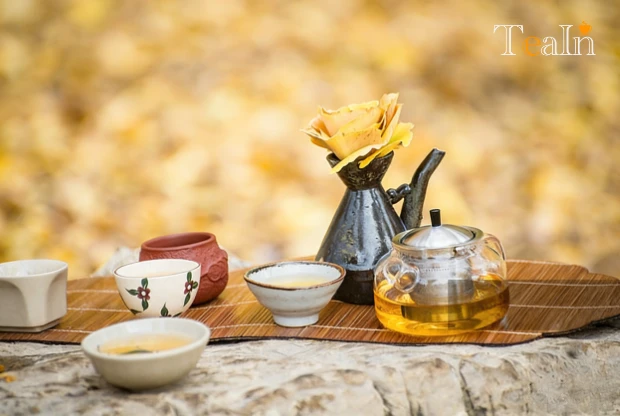
As a representative of traditional Chinese teas with minimalist processing, white tea has long been known for the saying "One year as tea, three years as medicine, seven years as treasure." Its natural withering process—without pan-frying or rolling—preserves the tea’s inherent nutrients. From ancient medicinal records of "Shennong tasting a hundred herbs and being cured by tea" to scientifically verified health benefits, white tea has gradually become a popular choice for health-conscious consumers worldwide. However, white tea is not a "magic elixir." Its health benefits can only be fully realized through scientific understanding and proper consumption. Below, we combine traditional wisdom and modern research to detail white tea’s core health effects and practical drinking advice.
I. Powerful Antioxidant Capacity: Slow Down Cellular Aging
White tea’s antioxidant benefits stem from its rich natural tea polyphenols. These compounds have far stronger antioxidant activity than vitamin C and vitamin E, serving as the core components behind the tea’s health-promoting properties. White tea’s minimalist processing avoids high temperatures that destroy tea polyphenols, resulting in one of the highest retention rates among China’s six major tea categories.
Modern research shows that catechins, epigallocatechin gallate (EGCG), and other polyphenolic substances in white tea effectively eliminate free radicals in the body. They reduce oxidative stress damage to cells, thereby slowing down skin aging and the decline of physical functions. Among these, catechins also promote skin cell metabolism, helping to fade dark spots and enhance skin elasticity—earning white tea the title of "natural beauty tea."
It is important to note that antioxidant effects require long-term adherence. Simply drinking white tea cannot offset the negative impacts of unhealthy habits like staying up late or excessive sun exposure. Pairing white tea with sun protection and early sleep will double its antioxidant benefits.
II. Supports Cardiovascular Health: Aids Metabolic Regulation
The benefits of white tea for cardiovascular health have been confirmed by both traditional Chinese medicine and modern science. Traditional Chinese medicine holds that white tea "clears heat and moistens dryness, harmonizes qi and blood." Modern studies have found that its tea polyphenols help lower triglycerides and low-density lipoprotein cholesterol in the blood. They also improve blood vessel elasticity, reducing the risk of atherosclerosis.
For people with high blood pressure, the L-theanine and tea polyphenols in white tea work synergistically to gently dilate blood vessels and assist in blood pressure regulation. However, this is not a treatment. Individuals with high blood pressure or high cholesterol should not discontinue prescribed medications due to drinking white tea; it can only complement a healthy lifestyle. Additionally, research indicates that people who consume white tea moderately over the long term have a lower risk of cardiovascular diseases compared to non-tea drinkers, further validating its protective effects on the cardiovascular system.
III. Boosts Immunity: Antibacterial & Anti-Inflammatory for Cold Prevention
Polyphenolic compounds and L-theanine in white tea are key ingredients for enhancing immunity. Tea polyphenols have powerful antibacterial and anti-inflammatory properties, inhibiting the growth of harmful bacteria such as Staphylococcus aureus and Escherichia coli. They provide relief from mild symptoms like headaches, diarrhea, and sore throats. L-theanine regulates the activity of immune cells, strengthening the body’s resistance to viruses.
During flu seasons, drinking 1-2 cups of light white tea daily can help reduce the risk of infection. Clinical studies show that white tea extracts inhibit influenza viruses, respiratory syncytial viruses, and other pathogens, with antibacterial activity that stands out among natural antibacterial substances. However, it is crucial to note that white tea cannot replace medical treatment. For severe colds, fevers, or other symptoms, seek professional medical care promptly.
IV. Aids Weight Management: Boosts Metabolism Without Extra Calories
White tea is an ideal beverage for weight management, primarily due to its extremely low calorie content (nearly zero calories per 100ml of liquor) and metabolism-boosting effects. Caffeine and catechins in the tea work together to stimulate fat cell breakdown, increase basal metabolic rate, and help burn excess calories.
Furthermore, white tea inhibits intestinal absorption of fat and sugar, reducing calorie accumulation. However, this auxiliary effect requires pairing with a healthy diet and regular exercise. Drinking white tea while consuming high-calorie, high-fat foods will not yield weight loss results. For optimal effects, drink a cup of light white tea one hour before exercise to enhance energy levels and fat-burning efficiency during physical activity.
V. Promotes Relaxation & Sleep: Achieve "Alertness Without Anxiety"
Many people mistakenly believe that drinking tea disrupts sleep, but white tea breaks this stereotype. It is rich in L-theanine, a substance that neutralizes the stimulating effects of caffeine. It regulates the nervous system, allowing individuals to stay alert and focused while avoiding tension and anxiety.
White teas of different ages have varying impacts on sleep: fresh white tea has a relatively higher caffeine content, making it suitable for morning consumption to boost alertness. Aged white tea (stored for over 3 years) becomes milder in nature, with reduced caffeine levels and increased L-theanine and flavonoid content. Its mellow, smooth taste means it is less likely to interfere with nighttime sleep, even when consumed in the afternoon. For those sensitive to caffeine, it is advisable to stop drinking white tea after 4 PM, with aged white tea being a safer choice.
VI. Practical Tips for Proper White Tea Consumption
- Brewing method: Use water heated to 90-95°C. For Baihao Yinzhen (Silver Needle) and Bai Mudan (White Peony), use 3-4 grams of tea per 110ml of water. For Shoumei (Eyebrow Tea), increase the amount to 5 grams. Avoid strong tea to prevent gastrointestinal irritation.
- Drinking time: Enjoy fresh white tea in the morning for a boost. Opt for aged white tea in the afternoon or evening to relax. Drinking it 30 minutes after meals promotes digestion.
- Contraindicated groups: Pregnant women, breastfeeding mothers, and children should limit intake. Individuals with iron-deficiency anemia should avoid drinking on an empty stomach to prevent interference with iron absorption. Those taking medications should consult a doctor before consuming white tea.
Summary
This article combines traditional wisdom and modern science to explore white tea’s 5 core health benefits and proper consumption methods. Rich in natural ingredients such as tea polyphenols, catechins, and L-theanine, white tea offers powerful antioxidant effects to slow cellular aging. It aids in regulating blood lipids and blood pressure, supporting cardiovascular health. It boosts immunity, exhibits antibacterial and anti-inflammatory properties, and helps prevent colds. With almost no calories, it promotes fat breakdown and metabolism to assist weight management. The synergy between L-theanine and caffeine promotes relaxation and sleep, avoiding anxiety. The article emphasizes that white tea is not a substitute for medicine and must be paired with a healthy lifestyle to maximize benefits. Practical advice on brewing temperature, drinking times, and contraindicated groups is provided, along with distinctions between fresh and aged white tea for different scenarios. With its minimalist processing preserving natural nutrients, white tea is a daily health beverage suitable for those pursuing natural wellness.