
Who Is the Antioxidant King of White Tea? Variety Comparison & Scientific Analysis
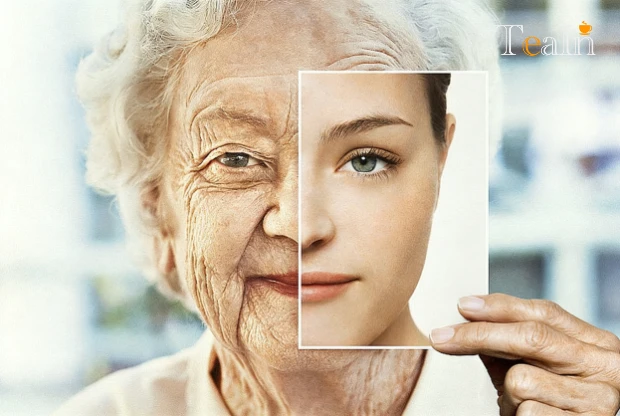
Amid the global trend of antioxidant wellness and natural healthy beverages, white tea has gained widespread attention for its exceptional antioxidant properties. More and more health-conscious consumers have integrated white tea into their daily lives, hoping to combat free radical damage and slow down physical aging through natural means. However, white tea includes multiple varieties such as Baihao Yinzhen (Silver Needle), Bai Mudan (White Peony), and Shoumei (Eyebrow Tea), along with distinctions between fresh and aged tea. So who is truly the "antioxidant king" of white tea? Combining authoritative research data and tea characteristics, this article analyzes from three dimensions—variety differences, the impact of aging, and scientific principles—to reveal the answer.
I. Variety Showdown: Baihao Yinzhen Takes the Crown with Significantly Leading Antioxidant Activity
Among all white tea varieties, Baihao Yinzhen has been confirmed as the "antioxidant king of white tea" through research led by Researcher Lin Zhi from the Tea Research Institute of the Chinese Academy of Agricultural Sciences. The research team used four authoritative detection methods—Ferric Reducing Antioxidant Power (FRAP) assay, DPPH free radical scavenging activity, ABTS free radical scavenging activity, and oxygen free radical scavenging activity—to compare Baihao Yinzhen, Bai Mudan, and Shoumei under the same conditions. The results showed that Baihao Yinzhen outperformed the other two in all antioxidant indicators.
The antioxidant advantage of Baihao Yinzhen stems from its unique raw materials and growth characteristics. It uses only single buds sprouted in early spring from tea trees as raw material, with plump buds covered in fine downy hairs. These hairs are veritable "storage vaults" for antioxidant components. The polyphenols (especially catechins and EGCG) and flavonoids in single buds are far more abundant than in white tea varieties dominated by leaves. Additionally, the core producing areas of Baihao Yinzhen are mostly located in high-altitude mountainous regions. The misty environment and large temperature differences between day and night slow down bud growth, allowing sufficient accumulation of antioxidants such as polyphenols and flavonoids, further enhancing its antioxidant capacity.
In contrast, Bai Mudan (made from one bud with one or two leaves) has slightly lower antioxidant activity than Baihao Yinzhen. Yet it has become a popular choice for those seeking a balance between flavor and wellness, thanks to its floral aroma and mild antioxidant effects. Shoumei, made from multiple leaves and stems, has a slightly lower content of antioxidant components but excels in cost-effectiveness and brew endurance, making it suitable for daily heavy consumption as a basic antioxidant supplement.
II. The Magic of Aging: Aged White Tea’s Antioxidant Capacity Increases with Years
Beyond variety differences, white tea’s antioxidant capacity continues to improve with aging, making aged white tea a "powerhouse of antioxidants." Research data shows that the flavonoid content in white tea steadily increases with storage years. Aged white tea stored for 20 years has a flavonoid content 2.34 times higher than that of fresh white tea from the same year. This provides scientific support for the folk saying "One year as tea, three years as collection, seven years as treasure."
The antioxidant advantage of aged white tea comes from the component transformation during the aging process. In a sealed, dry, and light-proof storage environment, the polyphenols in white tea slowly convert into stable tea pigments such as theaflavins and thearubigins, while flavonoids continue to accumulate. These components together form a mild and long-lasting antioxidant system in aged white tea. Unlike the "potent antioxidant" effect of Baihao Yinzhen, the antioxidant components in aged white tea are more easily absorbed by the human body, making it suitable for people with sensitive stomachs or those pursuing gentle wellness. Its mellow taste also aligns with the flavor expectations of some consumers for tea.
Notably, regardless of the original variety—Baihao Yinzhen, Bai Mudan, or Shoumei—antioxidant capacity improves significantly after long-term aging. Among them, aged silver needles made from Baihao Yinzhen combine "high activity" and "gentleness," becoming a high-end choice among antioxidant white teas.
III. Core Antioxidant Components: Synergistic Effects of Polyphenols and Flavonoids
The antioxidant capacity of white tea relies primarily on the synergistic effect of polyphenols and flavonoids. These two types of components are natural free radical scavengers, effectively neutralizing reactive free radicals generated by UV radiation, stress, and unhealthy diets, and reducing oxidative stress damage to cells.
The reason for Baihao Yinzhen’s outstanding antioxidant capacity lies in its polyphenol content, which accounts for over 25% of the dry tea weight. Among these polyphenols, EGCG (epigallocatechin gallate) has a significantly higher proportion than other tea varieties. This component’s antioxidant activity is more than 100 times that of vitamin C. Meanwhile, aged white tea’s advantage focuses on flavonoids. These components not only have antioxidant activity far exceeding that of vitamin E but also protect cardiovascular health and enhance immunity. They do not easily degrade during aging but instead continue to accumulate.
In 2009, a study by Kingston University’s School of Life Sciences in Southwest London confirmed that white tea’s antioxidant levels are among the highest in common teas, effectively helping the human body maintain a youthful state. This research result further promoted widespread recognition of white tea’s antioxidant value in the market.
IV. Practical Selection Guide
- Pursuing ultimate antioxidants: Prioritize Baihao Yinzhen (fresh tea or aged silver needles stored for less than 3 years). Its antioxidant activity is the strongest, making it suitable for daily consumption as an "antioxidant essence."
- Balancing gentleness and long-term effects: Choose aged white tea stored for more than 5 years (regardless of variety). Its antioxidant components are mild and easily absorbed, and it can be consumed with breakfast or afternoon tea without burdening the stomach.
- Balancing flavor and cost-effectiveness: For daily drinking, Bai Mudan is a good choice. It has moderate antioxidant capacity, a sweet floral aroma, and flexible brewing methods, suitable for pairing with snacks or drinking alone.
- Brewing suggestions: Brew Baihao Yinzhen with water at 85-90°C, using 3 grams of tea per 110ml to avoid high temperatures damaging active components. Aged white tea can be simmered (water temperature 95°C) to fully release flavonoids and other components, optimizing antioxidant effects.
V. Conclusion
The "antioxidant king" of white tea does not have a single answer. From the variety perspective, Baihao Yinzhen takes the crown with inherent advantages. From the aging perspective, high-year aged white tea catches up through component accumulation. The two cater to different user needs. Those seeking potent antioxidant effects can choose Baihao Yinzhen, while those preferring gentle wellness and mellow taste are better suited to aged white tea.
For consumers, there is no need to blindly pursue the "strongest." Instead, choose based on personal needs and drinking scenarios: Baihao Yinzhen or Bai Mudan for quick daily brewing, and aged white tea for evening relaxation or sensitive stomachs. No matter which one you choose, long-term consistent consumption allows the natural antioxidant components of white tea to become a "natural guardian" for your body.
Summary
This article explores "who is the antioxidant king of white tea" through scientific analysis combined with authoritative research and tea characteristics. In variety comparison, Baihao Yinzhen has been proven through four detection methods (FRAP, DPPH, etc.) to have significantly higher antioxidant activity than Bai Mudan and Shoumei. Its advantages stem from single-bud raw materials rich in polyphenols and flavonoids, as well as a high-altitude growth environment. In terms of aging, the flavonoid content of aged white tea increases with years. Aged white tea stored for 20 years has a flavonoid content 2.34 times that of fresh tea, with mild and long-lasting antioxidant capacity. The core antioxidant components are polyphenols (especially EGCG) and flavonoids, which work synergistically to scavenge free radicals with outstanding protective effects. The article provides practical suggestions: choose Baihao Yinzhen for potent effects, high-year aged white tea for gentleness, and Bai Mudan for daily drinking. It also offers suitable brewing methods to maximize antioxidant effects. The final conclusion: Baihao Yinzhen is the "antioxidant king" among varieties, and aged white tea is the "powerhouse" after aging. Consumers can choose flexibly based on personal needs.