
Why Aged White Tea Isn’t Suitable for Prolonged Steeping but Thrives with Simmering?
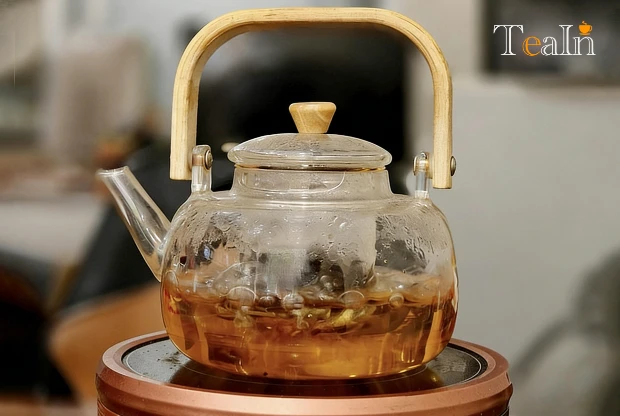
Many tea lovers encounter a confusion when tasting aged white tea: while it requires quick brewing and absolutely no prolonged steeping (otherwise the liquor turns bitter and unpleasant), it is surprisingly well-suited for long-time simmering. The simmered liquor, instead, becomes smooth, mellow, and rich in lingering sweetness. This seemingly contradictory phenomenon is no accident. It is determined by the aging characteristics of aged white tea and the technical differences between simmering and prolonged steeping. Young white tea is better for brewing, while high-year aged white tea releases its best flavor through simmering. Combining the component transformation rules of aged white tea and practical experience, this article explains the core logic from four dimensions—"why prolonged steeping is not recommended," "why simmering works," "aging-based suitability principles," and "practical simmering tips"—helping tea lovers scientifically unlock the flavor code of aged white tea.
I. Core Reasons Aged White Tea Avoids Prolonged Steeping: Prevent Bitterness and Flavor Imbalance
Aged white tea’s aversion to prolonged steeping essentially stems from a mismatch between its component traits and the "high-intensity extraction" of prolonged steeping. For high-year aged tea in particular, prolonged steeping completely disrupts taste balance.
After long-term aging, irritating components like tea polyphenols and caffeine in aged white tea undergo partial transformation but still retain a certain content. Additionally, the cell walls break down more during aging, making internal substances easier to leach out. During prolonged steeping, the tea-to-water ratio is usually high (about 1:20-1:30), meaning a small amount of liquor must carry a large number of extracted substances in a short time. If the brewing time exceeds 10 seconds, caffeine and tea polyphenols accumulate rapidly, exceeding the human taste tolerance and resulting in a bitter, astringent liquor with strong sense of convergence.
For aged white tea aged 3-5 years, prolonged steeping also masks the mild aged aromas (such as jujube and medicinal notes) with bitterness, losing the layered flavor profile. Tightly pressed aged white tea strips cannot fully expand during prolonged steeping, leading to uneven water penetration and a "strong outside, weak inside" taste, further ruining the drinking experience. Even when extending the time for later brews, it should be limited to 30 seconds without covering the lid for steeping.
II. Key Logic Behind Aged White Tea’s Suitability for Simmering: Process Compatibility and Component Synergy
Unlike prolonged steeping, the technical characteristics of simmering perfectly align with the component needs of aged white tea, maximizing its mellow flavor. The core reasons focus on three aspects:
1. Mild Tea-to-Water Ratio for Balanced Extraction
The tea-to-water ratio for simmering is much lower than for brewing, typically 1:50-1:80 (i.e., 8-10 grams of aged white tea per 500ml of water). This lower ratio provides ample space for the gradual release of tea components, avoiding excessive accumulation of caffeine and tea polyphenols. Even with long-time simmering, components leach in a balanced manner without causing bitterness.
2. High Temperature Awakens High-Boiling Flavor Substances
During simmering, the liquor maintains a gentle boil (95-100℃). This stable high temperature activates high-boiling substances in aged white tea that are difficult to extract through brewing—especially polysaccharides, pectin, and aromatic compounds accumulated during aging. Polysaccharides and pectin neutralize the bitterness of caffeine, making the liquor smooth and silky. Meanwhile, bound aged aromas like jujube, woody, and medicinal notes are fully released at high temperatures, resulting in a richer, longer-lasting fragrance.
3. Aging Traits Match Simmering Process
The longer aged white tea ages, the more thorough its internal component transformation: tea polyphenols gradually decrease, while flavonoids and soluble sugars increase, making the tea milder. This transformed component structure adapts well to the high-temperature environment of simmering. It not only avoids off-flavors from high heat but also enhances the warm, smooth taste. In contrast, young white tea has high levels of tea polyphenols and caffeine. Simmering accelerates the leaching of irritating components, leading to a bitter liquor—hence it is only suitable for quick brewing.
III. Aging-Based Suitability Principles for Brewing vs. Simmering Aged White Tea
The age of aged white tea directly determines its suitable consumption method. Blind simmering or brewing wastes its flavor potential. Follow these principles:
1. Young White Tea (1-2 Years): Only Suitable for Quick Brewing
Young white tea has a fresh nature with high levels of tea polyphenols and caffeine, and intact cell walls. Brew with water around 95℃, with the first brew for 5-8 seconds and each subsequent brew extended by 3-5 seconds to retain its fresh floral aroma. Simmering is strongly discouraged, as it causes rapid leaching of irritating components, resulting in bitterness that completely masks the young tea’s fresh flavor.
2. Mid-Term Aged White Tea (3-5 Years): Suitable for Both Brewing and Simmering; Simmering Enhances Warmth
At this stage, the tea has undergone initial aging, reducing bitterness and developing subtle aged aromas. Brewing requires serving within 10 seconds to balance freshness and aged notes. Simmering amplifies its warmth, making it ideal for autumn and winter. The simmered liquor takes on a more pronounced amber color with a longer lingering sweetness, perfect for tea lovers who prefer a mellow taste.
3. High-Year Aged White Tea (5+ Years): Simmering is Preferred to Unlock Ultimate Aged Aromas
High-year aged white tea has stable component transformation: tea polyphenols are significantly reduced, and soluble sugars, pectin, and flavonoids reach peak levels. While brewing can capture aged aromas, it struggles to fully release deep-layered flavors. Simmering, however, extracts all high-boiling substances, resulting in a deep amber or orange-red liquor with rich jujube and medicinal notes. The liquor feels silky smooth with obvious sweetness and saliva production—making it the best way to experience its flavor essence.
IV. Practical Simmering Tips for Aged White Tea: Avoid Mistakes and Brew a Mellow Cup
The core of simmering aged white tea is "gentle extraction and controlled duration." Master these tips to maximize its flavor:
1. Precise Control of Tea-to-Water Ratio
- Small-capacity simmering (gaiwan): Use 2-3 grams of aged white tea with a 110ml gaiwan. Fill with water to 80% capacity, bring to a gentle boil, and simmer for another 3-5 minutes.
- Large-capacity simmering (teapot): Use 8-10 grams of aged white tea with a 500ml clay or glass teapot. Bring water to a boil, add tea, and switch to low heat for a gentle boil of 5-8 minutes. Avoid high heat to prevent component imbalance.
2. Simmering Duration and Heat
Bring water to a rolling boil over high heat, add tea, and immediately switch to low heat to maintain a gentle boil. Total simmering time should not exceed 10 minutes. Over-simmering leads to overly dark liquor and a dull taste. For added flavor layers, add 1-2 pieces of dried tangerine peel after 5 minutes of simmering to complement the aged aromas.
3. Utensil Selection
- Preferred: Clay teapots (purple clay or rough clay). Their moderate breathability regulates internal temperature and humidity, enhancing the warm flavor.
- Second choice: Borosilicate glass teapots. The transparent material allows observation of liquor color changes, ideal for beginners to control duration.
- Avoid: Iron kettles. Iron ions may react with tea components, affecting taste and color.
4. Common Mistakes to Avoid
- Do not simmer broken tea: Pry aged white tea into intact flakes before simmering. Broken tea or dust causes cloudy, bitter liquor.
- Do not re-simmer the same tea: Simmer a batch of tea only once. Re-simmering leads to flavor loss and a bland taste.
- Do not simmer young tea: Strictly follow aging-based principles—never simmer 1-2 year old white tea.
Summary
This article explores the core contradiction of "aged white tea avoiding prolonged steeping but thriving with simmering." The key conclusions are: Aged white tea rejects prolonged steeping because the high tea-to-water ratio and intense extraction cause rapid accumulation of caffeine and tea polyphenols, leading to bitterness and disrupting aged aroma layers. It suits simmering for three reasons: a mild tea-to-water ratio enables balanced component leaching, high temperature activates high-boiling polysaccharides and pectin to neutralize bitterness, and the mild component structure of aged white tea adapts to the simmering process. Different age groups of aged white tea have distinct suitability: 1-2 year old young tea is only for quick brewing, 3-5 year old mid-term tea works for both methods (simmering enhances warmth), and 5+ year old high-year tea is best simmered. For simmering, control the tea-to-water ratio (1:50-1:80), maintain a gentle boil for 5-8 minutes, use clay or glass teapots, and avoid broken tea and re-simmering. The article emphasizes that the difference between simmering and prolonged steeping for aged white tea essentially lies in process-component compatibility. Following age-based and process-matched principles unlocks its authentic flavor.