Why Don’t High-Quality White Teas Use Summer Harvested Leaves? Core Reasons Explained
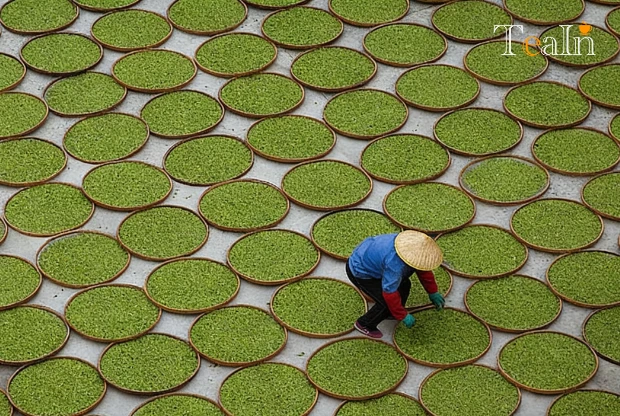
High-quality Fuding white tea adheres to the principle of "following the rhythm of nature" in harvesting and production. Its core output is concentrated in spring and autumn, with some tea makers producing small batches of winter leaves. However, "summer tea"—harvested in summer—is firmly rejected by all tea enterprises pursuing quality. Many tea lovers wonder why summer tea, despite the vigorous growth of tea plants, is not used for high-quality white tea. The answer lies in summer’s climatic characteristics and changes in tea components. Summer tea’s quality flaws are inherently determined by its growing environment, making it completely unable to meet the flavor and aging requirements of high-quality white tea. Combining tea growth rules and white tea production standards, this article explains the core logic behind high-quality white tea rejecting summer tea from three dimensions: climatic impacts, component changes, and the advantages of spring and autumn teas, helping tea lovers establish a scientific understanding.
I. Summer Climate: An Inherent Shortcoming for Tea Quality
Summer’s climatic conditions directly contradict the "slow accumulation" environment required for white tea growth, leading to inherent quality deficiencies in summer tea.
Summer is marked by high temperatures, heavy rainfall, intense sunlight, and small day-night temperature differences. This environment drastically accelerates tea plant growth. To adapt to the heat, tea leaves sprout and expand rapidly, resulting in thinner cell walls and reduced lignification. The entire growth cycle is 30%-50% shorter than in spring and autumn. Rapid growth means nutrients cannot accumulate sufficiently, diluting the tea’s internal content. Meanwhile, the hot and humid environment easily fosters pests and diseases, prompting some tea gardens to use pesticides, which further compromises the tea’s purity.
Additionally, heavy summer rains wash the tea leaves, removing the surface waxy layer and some nutrients. This reduces the tea’s stress resistance and hinders the synthesis of flavor substances. Such inherent growth disadvantages mean summer tea loses its foundation for becoming high-quality white tea from the source.
II. Core Quality Flaws of Summer Tea: Dual Imbalance in Components and Flavor
The key reason summer tea is rejected lies in its severely imbalanced component ratio, resulting in taste and appearance that are far from the standards of high-quality white tea.
1. Component Changes: Intensified Bitterness, Lack of Sweetness
The core flavor of white tea comes from "sweet and mellow components" such as theanine and soluble sugars, as well as a balanced ratio of tea polyphenols and caffeine. High summer temperatures directly disrupt this balance:
- Sharp decline in theanine: Theanine is the main source of white tea’s fresh and sweet taste. High summer temperatures inhibit its synthesis, with content only 50%-60% of that in spring tea.
- Reduced soluble sugars: Sugar accumulation requires a mild growing environment. Rapid summer growth leads to insufficient sugar, significantly diminishing the tea liquor’s sweetness.
- Surge in caffeine and tea polyphenols: To resist high temperatures, tea plants synthesize large amounts of "defensive components" like caffeine and tea polyphenols. Their content is 30%-40% higher than in spring tea, directly causing a strong bitter taste and astringency in the liquor.
- Increased theabrownin: High temperatures easily trigger enzymatic oxidation of tea leaves, raising theabrownin levels. This makes the tea appear brownish, losing its natural freshness.
2. Quality Performance: Comprehensive Deficiencies
- Appearance: Dry tea is dark brown and dull, with loose strips and thin, brittle leaves. Infused leaves lack toughness after brewing.
- Taste: Obvious bitterness on the first sip, weak or no lingering sweetness, and a tight astringent feeling in the throat—completely lacking the sweet and smooth texture of high-quality white tea.
- Infusion durability: Due to insufficient nutrient accumulation, summer tea usually becomes tasteless after 3-4 infusions, far less durable than spring tea (5-8 infusions) or autumn tea (6-10 infusions).
- Aroma: Almost no natural high-quality aromas like floral or honey notes. Instead, it may have grassy or bitter smells that fade quickly.
III. Spring and Autumn Teas: Core Choices for High-Quality White Tea
In stark contrast to summer tea, spring and autumn teas perfectly meet the production requirements of high-quality white tea due to their growing environments and component ratios.
1. Spring Tea: The "Golden Choice" for Freshness and Sweetness
Spring features a gradual temperature rise and large day-night temperature differences. After winter dormancy, tea plants accumulate sufficient nutrients. Spring tea has the highest content of theanine and soluble sugars, with a balanced ratio of tea polyphenols and caffeine. Its taste is fresh, sweet, and crisp, with a clean floral or honey aroma—representing the ultimate "freshness" of white tea. Spring tea has tight, plump strips and a green or pale yellow color, suitable for immediate consumption and ideal as a raw material for long-term aging.
2. Autumn Tea: The "Flavorful Choice" for Mellow Warmth
Autumn is dry with abundant sunlight and large day-night temperature differences. Tea plants grow slowly, allowing nutrients to precipitate gradually. Autumn tea has a richer aroma than spring tea, dominated by jujube or osmanthus notes. Its taste is mellow and warm, with minimal bitterness and excellent infusion durability. Among them, Shoumei harvested during the Bailu and Hanlu solar terms has even greater day-night temperature differences, resulting in more layered flavors and ranking as premium autumn tea.
3. Winter Leaves: A Rare "Warm Choice"
Winter temperatures are low, and tea plant growth almost stops. Only a few warm-producing areas can harvest small batches of "winter leaves." With the longest growth cycle, winter leaves accumulate sufficient nutrients, offering a mellow and warm taste with a lasting, understated aroma. Low in yield, they are a rare niche category with good aging potential.
Summary
This article explores the core question of why high-quality white teas reject summer tea. The key conclusions are: Summer’s hot, rainy, and sunny climate accelerates tea plant growth, preventing sufficient nutrient accumulation—this is the inherent cause of summer tea’s poor quality. Summer tea exhibits a sharp drop in theanine and soluble sugars, coupled with a surge in caffeine and theabrownin, leading to bitter taste, dull appearance, poor infusion durability, and insufficient aroma—all failing to meet high-quality white tea standards. In contrast, spring tea is fresh and sweet, while autumn tea is mellow and warm, both with balanced components and strong infusion durability, making them the core sources of high-quality white tea. Some rare winter leaves also offer excellent drinking and aging value. High-quality white tea’s rejection of summer tea reflects respect for natural growth rhythms and a commitment to flavor purity and aging potential. Understanding this logic helps consumers better recognize the core traits of high-quality white tea.