
Why Does Aged Tea Have a Dark Liquor but Lack Steeping Endurance?
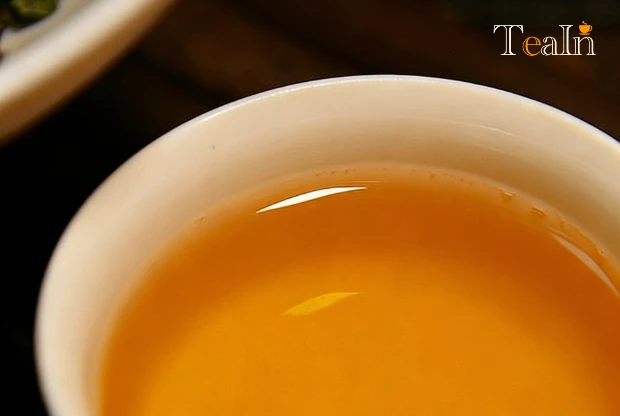
Many tea lovers, including numerous Western enthusiasts new to aged tea, often encounter a confusing scenario: an aged tea brews into a rich, dark liquor that seems to signal high quality, yet after just three or four infusions, the aroma and flavor fade rapidly, losing the mellow richness that defines authentic aged tea. This phenomenon of "seeming high-quality but turning bland quickly" is not a normal characteristic of aged tea. Its core cause typically points to a common issue in the aged tea market: artificially aged tea. To truly understand this problem, we first need to clarify the natural relationship between liquor color and steeping endurance in genuinely naturally aged tea.
I. Naturally Aged Tea: The Core Logic of Gradual Liquor Darkening and Long-Lasting Flavor
Genuine aged tea—whether white tea, Pu'er tea, or oolong tea—derives its value from slow, natural transformation over time. This process is not merely "aging" but a series of beneficial changes in the tea's internal substances under optimal conditions, usually a temperature of 20-25℃, humidity of 50-70%, and a cool, dark, well-ventilated environment. Within the tea leaves, compounds like tea polyphenols gradually oxidize into theaflavins, thearubigins, and ultimately theabrownins. It is theabrownins that give aged tea its warm reddish-brown liquor, but this transformation proceeds steadily, not releasing all pigments at once. Meanwhile, large-molecule carbohydrates such as starch and cellulose hydrolyze into soluble sugars like glucose and arabinose, which not only add sweetness to the liquor but also combine with amino acids to create unique aromas such as jujube or medicinal notes. The slow dissolution of pectin substances further enhances the liquor's smooth, rich texture. Thanks to the natural rhythm of these transformations and releases, naturally aged tea exhibits a gradual deepening of liquor color with each infusion, while its flavor becomes increasingly full-bodied. Typically, it can easily withstand 7-10 infusions, and high-quality ancient tree aged tea may even yield over 15 infusions, with each brew revealing distinct aroma layers.
II. Artificially Aged Tea: The Key Reason for "Dark Liquor but Poor Endurance"
To quickly mimic the "dark appearance" of aged tea, artificially aged tea employs forced methods that contradict natural processes, directly causing the problem of "dark liquor but lack of steeping endurance." Common artificial aging techniques include high-temperature pile fermentation and watering and damp stacking. New tea or low-year tea is piled in high-temperature, high-humidity environments, and sometimes sprayed with water to accelerate mold growth, forcing the tea to undergo drastic changes in a short period. Under such conditions, a large amount of theabrownins rapidly forms on the tea leaf surface, making the liquor of the first infusion extremely dark—virtually indistinguishable from that of ten-year-old aged tea. However, the beneficial transformation of the tea's internal active substances does not occur; instead, they are damaged by high temperature and humidity. Tea polyphenols are over-oxidized into tasteless compounds, soluble sugars and amino acids are lost in the harsh environment, and the internal substances that should sustain long-term brewing are exhausted all at once. Thus, the initial rich flavor of artificially aged tea is merely an illusion of prematurely released internal components. With subsequent infusions, there are no sufficient substances left to support the flavor, leading to a rapid decline in taste.
III. Other Influencing Factors: Secondary Conditions to Note
Beyond the core issue of artificial aging, several other factors may affect the steeping endurance of aged tea, but they rarely cause the contradictory phenomenon of "dark liquor but poor endurance." Regarding raw material quality, ancient tree tea or large-leaf variety tea, with their richer internal substances, are inherently more resistant to multiple infusions than tableland tea or small-leaf variety tea. If an aged tea is made from low-quality raw materials, even natural aging will result in slightly reduced steeping endurance, but the liquor color will change normally with each infusion, without the "initial richness followed by blandness" pattern. In terms of brewing methods, excessively high water temperature or prolonged steeping time may cause rapid release of substances from the tea leaves, but this is a human operational issue that can be improved by adjusting brewing techniques, distinct from the tea's inherent quality problems. Storage environment also plays a role: naturally aged tea stored long-term in high-temperature, high-humidity conditions may develop mold, leading to flavor deterioration, but such tea will often have a musty taste rather than simply lacking steeping endurance.
IV. Identification Tips: Quickly Distinguishing Naturally Aged from Artificially Aged Tea
In addition to observing the relationship between steeping endurance and liquor color, several simple methods can help distinguish between naturally aged and artificially aged tea. Examine the dry tea color: naturally aged tea does not have a uniform hue but features layers of light brown, dark brown, and even small amounts of yellowish-green, with a natural luster. Artificially aged tea typically has a single deep black or dark brown color, appearing dull and even dotted with mold spots. Smell the aroma: naturally aged tea emits a calm fragrance, possibly with woody, jujube, or medicinal notes that gradually unfold with each infusion. Artificially aged tea often has musty, sour, or burnt odors—single-dimensional and pungent. Feel the brewed leaves: naturally aged tea leaves remain elastic after brewing, not easily crushed when squeezed, and exhibit a uniform reddish-brown color. Artificially aged tea leaves are either mushy and sticky or stiff and brittle, with a dull black color. These details effectively help consumers avoid the trap of artificially aged tea.
The value of aged tea lies in the natural transformation bestowed by time, not its superficial dark appearance. For consumers, whether drawn to aged tea's flavor or its drinking value, judging quality solely by liquor color is inadvisable. Understanding the principles of natural aging and mastering simple identification techniques allows one to truly appreciate the aroma and flavor that aged tea gradually releases through multiple infusions, and to experience the true meaning of "the older the more fragrant"—a gift of slow time, not an artificial quick fix.
Summary
This article focuses on the core issue of aged tea having a dark liquor but lacking steeping endurance, identifying artificial aging as the primary cause. By comparing the inherent differences between naturally aged and artificially aged tea, it explains that naturally aged tea undergoes beneficial substance transformation in optimal environments, resulting in gradual liquor darkening and long-lasting flavor, withstanding 7-10 infusions on average. In contrast, artificially aged tea uses forced methods like high-temperature pile fermentation to prematurely release pigments, creating the illusion of initial richness followed by rapid blandness. Additionally, the article covers secondary influencing factors such as raw material quality, brewing methods, and storage conditions, and provides identification tips based on dry tea color, aroma, and brewed leaves. It helps consumers distinguish between genuine and fake aged tea, emphasizing that the core value of aged tea lies in natural time precipitation rather than superficial appearance.