
Why Does My White Tea Taste Different?
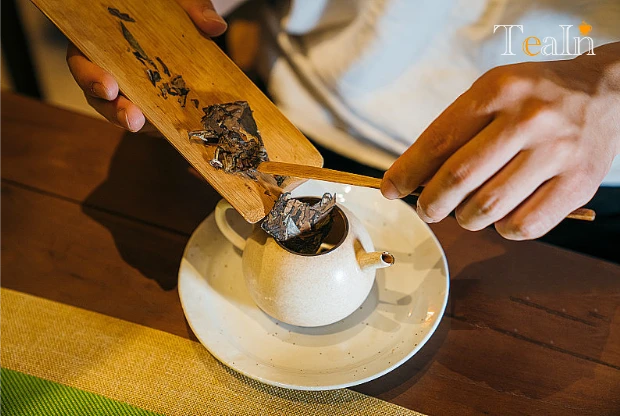
Have you ever felt confused while drinking white tea—why does the same batch taste different this month than it did last month? Is this change good or bad? No need to overthink it. Behind the taste variation of white tea, there are usually three core reasons. By clarifying these key points, you can easily tell if it’s a natural transformation or an operational mistake, and continue to enjoy the pleasure of drinking tea.
I. Natural Aging: Flavor Enhancement by Time
White tea is known for the saying "One year as tea, three years as medicine, seven years as treasure"—a true reflection of its natural transformation over time. As a lightly fermented tea, white tea’s internal components slowly change when properly stored, leading to iterative flavor upgrades. This is not spoilage but an anticipated metamorphosis.
1. Flavor Characteristics at Different Stages
- One year as tea: Fresh white tea tastes similar to green tea, with a pale apricot-yellow liquor, a fresh and crisp taste, and a sweet aftertaste. At this stage, the tea is slightly cool in nature, suitable for moderate consumption. After several months of storage, the tea gradually loses moisture, its internal substances begin to transform, and the taste becomes more mellow.
- Three years as medicine: White tea aged for two to three years has a deep apricot-yellow liquor. It offers a mild aroma and a softer taste, with its nature shifting from cool to warm. This is due to the slow changes in the tea’s internal components during storage, which give it an aged aroma.
- Seven years as treasure: White tea stored for more than five years is called aged white tea. After long-term oxidation, the liquor color changes from apricot-yellow to amber-red, and the taste becomes increasingly rich and full. The thearubigins in the tea increase, and the aroma evolves from the fresh downy scent of new tea:
① Silver Needle develops downy notes, fruity aromas, and a mellow finish;
② White Peony features downy notes, honey aromas, and an aged charm;
③ Gongmei presents jujube notes, brown sugar aromas, and herbal scents.
2. How to Identify Natural Aging
Naturally aged white tea undergoes changes in aroma and taste but always remains pure without off-flavors. Whether it’s the freshness of new tea or the richness of aged tea, there will be no pungent or strange tastes. The liquor remains clear and transparent, and the wet leaves are soft and elastic. This change is gradual, not an abrupt break in flavor.
II. Improper Storage: The Key Cause of Spoilage and Taste Contamination
If white tea develops sudden off-flavors instead of a natural upgrade, it’s most likely due to improper storage. Tea leaves are highly absorbent and have strict requirements for storage conditions. A slight mistake can lead to taste contamination or spoilage.
1. Typical Signs of Spoilage
If you detect off-flavors such as a green stench, fermented soybean smell, or mustiness while drinking, or if the liquor becomes turbid and dull with a sticky, astringent taste and no sweet aftertaste, the white tea is probably spoiled. These off-flavors are often signs of moisture absorption, contamination, or excessive oxidation.
2. Key Storage Principles
To prevent white tea from spoiling, remember these five core principles:
- Store at room temperature: White tea ages naturally at room temperature. Avoid high temperatures, as they damage the tea’s active components, accelerate spoilage, and hinder future transformation.
- Keep dry: Moisture is white tea’s worst enemy—damp leaves easily mold. When storing, avoid placing tea near floors or ceilings, where moisture tends to accumulate.
- Protect from light: Avoid direct sunlight or strong light, which causes abnormal oxidation, darkens the color, and damages the flavor. Store the tea in a cool, dark place.
- Isolate odors: Tea absorbs smells strongly. Keep it away from odor sources such as kitchens, cleaning products, and mothballs to prevent taste contamination.
- Seal tightly: Use ceramic jars, purple clay pots, or airtight aluminum foil bags for storage. These containers block moisture and external odors, ensuring stable tea quality.
III. Incorrect Brewing: Hidden Factors Affecting Flavor
After ruling out natural aging and storage issues, differences in brewing methods are another important reason for taste variations. The choice of water and the amount of tea leaves directly impact the liquor’s taste.
1. Water Choice: Determines the Basic Taste
Different water qualities produce distinct flavors in white tea. It’s recommended to use mineral water or purified water—these have low hardness and few impurities, which can maximize the tea’s sweet aroma and smooth taste. Avoid tap water, as its high hardness and impurities make the liquor bitter and the aroma weak, seriously affecting the drinking experience.
2. Tea Quantity: The Key to Balanced Flavor
Too much or too little tea disrupts the flavor balance:
- Too little tea results in a bland, watery liquor that fails to showcase white tea’s true flavor.
- Too much tea makes the liquor overly thick, leading to a bitter, numbing taste that masks the tea’s natural sweetness and aftertaste.
3. Five Practical Brewing Methods
Choose the right brewing method based on the occasion to better highlight white tea’s flavor:
- Glass Cup Brewing Method: Put an appropriate amount of white tea into a glass cup. Rinse the tea to warm it and release aroma, then brew with boiling water. Adjust the steeping time according to personal taste. Advantage: Simple and easy to operate, suitable for solo drinking. Disadvantage: Not ideal for entertaining guests and hard to showcase the richness of aged white tea.
- Gaiwan Brewing Method: Add the right amount of white tea to a gaiwan, brew with boiling water, and pour into a fair cup for serving. Advantage: Versatile, suitable for 2-7 people. It fully releases the tea’s aroma. Disadvantage: Requires brewing skills—too fast pouring results in a weak taste, while too slow leads to over-concentration.
- Purple Clay Pot Brewing Method: Put white tea into a purple clay pot, brew with boiling water, and serve directly. Advantage: Enhances the liquor’s richness, making it especially suitable for aged white tea. Disadvantage: Cannot observe the tea leaves unfurling in water.
- Teapot Simmering Method: Boil water first, add an appropriate amount of white tea, and simmer the tea with the water. Turn off the heat after boiling for 1 minute, and let the tea steep with residual heat. Advantage: Ideal for group drinking and long sessions. The simmered tea is rich, fragrant, and layered. Disadvantage: Hard to control the tea-to-water ratio—improper proportion easily causes bitterness.
- Tea Steaming Method: Steam tea with separated water and leaves. Place the tea on a top strainer, boil water, and steam the tea. Advantage: The tea is more brew-resistant, retaining flavor through multiple infusions. Disadvantage: The liquor is mild, lacking richness, and requires a long waiting time.
The different tastes of the same batch of white tea are nothing more than natural aging, improper storage, or incorrect brewing. By learning to distinguish between natural transformation and spoilage, and mastering proper storage and brewing skills, you can always enjoy white tea at its best. The joy of drinking tea lies not only in savoring the liquor but also in exploring the way that suits you. Observe more and experiment often, and you will gain stable and pure satisfaction from every cup of white tea.