
Why Doesn’t Your White Tea Taste Good?
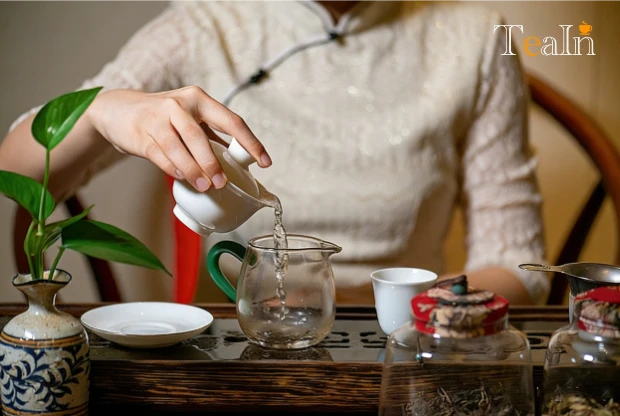
White tea, with its fresh and mellow flavor and simple, natural production process, has become a favorite among tea lovers worldwide. Yet many people face a common frustration: even when choosing high-quality white tea, the brewed result is either bland or bitter, wasting the tea’s true essence. The truth is, brewing white tea poorly rarely stems from lack of skill. More often, it’s due to falling into common brewing mistakes. Master the right methods, and you can easily unlock white tea’s fresh aroma and smooth sweetness.
I. Mistake 1: Unbalanced Tea Quantity – Too Much Bitter, Too Little Bland
The amount of tea leaves used is the foundation of a good brew and one of the easiest steps to get wrong. Many beginners mistakenly add more tea when they find the flavor weak, or use too little for fear of bitterness. Either way, achieving a balanced flavor becomes nearly impossible.
Different teaware capacities call for specific tea quantities. For the commonly used 110ml gaiwan, delicate Baihao Yinzhen (Silver Needle) and Bai Mudan (White Peony) release their compounds quickly, so 3-4 grams is recommended. Shoumei, with its larger leaves and higher stem-to-leaf ratio, needs 4-5 grams to fully release its flavor. Exceeding 5 grams leads to rapid over-extraction of tannins and caffeine, resulting in a bitter, heavy taste that masks white tea’s signature sweetness. Using less than 3 grams, on the other hand, produces a watery brew lacking in aromatic layers.
Additionally, adjust the tea quantity based on the number of drinkers and occasion. For daily solo drinking, follow the "less is more" principle. For group sharing, increase the amount slightly but speed up the brewing time to avoid flavor imbalance.
II. Mistake 2: Incorrect Water Temperature – Aroma and Flavor Trapped
Many people assume white tea is delicate and requires warm or cold water. Some even cold-brew it in summer. This misconception wastes the tea’s full potential.
White tea’s minimal processing – no pan-frying or rolling – preserves a wealth of aromatic and flavor compounds with high, medium, and low boiling points. Only boiling water (100°C) can fully unlock these substances. This is especially true for aged white tea, where boiling water awakens stored jujube and herbal notes, creating a richer, warmer brew. For tender varieties like Baihao Yinzhen, let the boiling water cool for 30 seconds (to around 95°C) before pouring. This protects the buds’ freshness while still releasing their aroma.
Cold or warm water fails to dissolve the tea’s active compounds, resulting in a bland drink with muted aroma. Even the finest white tea cannot showcase its true value under such conditions.
III. Mistake 3: Over-Steeping – Freshness Turns to Bitterness
Steeping time is critical to white tea’s taste. Many people let the tea steep longer after pouring water, thinking it will enhance the flavor. In reality, this robs white tea of its essence.
White tea’s freshness comes from quickly released amino acids and soluble sugars. Over-steeping causes excessive extraction of bitter compounds like tannins and caffeine, darkening the liquor and creating an unpleasant bitter taste. The correct approach is: steep the first three infusions quickly – cover the gaiwan immediately after pouring water and pour out the liquor within 3-5 seconds, no more than 8 seconds. Starting from the fourth infusion, extend the steeping time by 5-10 seconds per brew until the flavor fades. For Shoumei and other mature leaves, steeping time can be slightly longer than for Bai Mudan, but still should not exceed 30 seconds.
Whether using a gaiwan or other teaware, avoid "steeping too long." Maintain smooth, quick pouring to preserve white tea’s fresh, crisp character.
IV. Mistake 4: Wrong Teaware – Flavor Masked
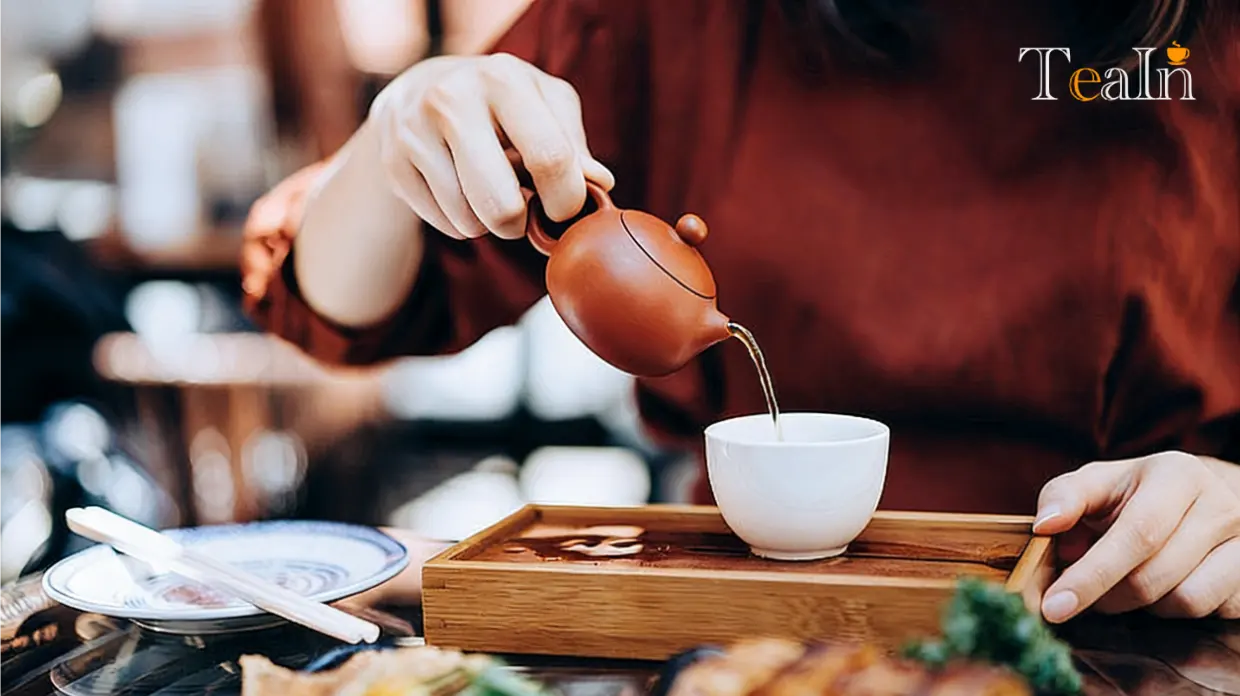
Choosing the right teaware directly impacts the brew. Many people prefer using a purple clay teapot for white tea, unaware that its material can mask the tea’s true flavor.
Purple clay teapots have a double-pore structure with an unglazed, rough surface. They easily absorb tea aromas, leading to cross-contamination when brewing different teas. Additionally, the curved interior and pores are hard to clean thoroughly, leaving residual flavors that affect future brews.
The best teaware for white tea is a white porcelain gaiwan. Its smooth surface does not absorb flavors, allowing precise control of steeping time and water temperature. It also lets you visually monitor the liquor’s color change. For daily casual drinking, a glass works well, letting you admire the leaves unfurling while preserving fresh aromas. A mug is suitable for quick brewing – just adjust the tea quantity and steeping time for good results.
V. Mistake 5: Unnecessary Rinse – Wasting Freshness and Nutrition
Many people rinse tea leaves before brewing, believing it removes dust and impurities for a cleaner drink. For white tea, this step is completely unnecessary and wasteful.
High-quality white tea undergoes strict hygiene controls from cultivation and harvesting to processing and packaging. The leaves are clean and safe to drink directly. More importantly, white tea’s key flavor compounds – like fine white down and amino acids – are released the moment boiling water touches the leaves. The first infusion is the freshest and most nutritious. Pouring it out is a waste of the tea’s best qualities.
Only aged white tea that may have accumulated minimal dust over long storage can be rinsed quickly – pour boiling water over the leaves and discard it immediately. For all other white teas, skip the rinse.
VI. Additional Key Factors: Water Quality and Pouring Method
Beyond the five main mistakes, water quality and pouring method are often overlooked but play a crucial role in maximizing white tea’s flavor.
1. Water Quality
White tea’s delicate flavor is highly sensitive to water quality. Use low-mineral-content mineral water or purified water. These have fewer impurities and a soft texture, allowing the tea’s natural sweetness and aroma to shine. Avoid tap water, as its chlorine and high mineral content can make the liquor bitter and suppress the tea’s fragrance.
2. Pouring Method
Use either "spot pouring" or "circular pouring" to ensure even contact between water and leaves, promoting full flavor release. Spot pouring is ideal for Baihao Yinzhen, preventing damage to tender buds from strong water flow. Circular pouring works best for Bai Mudan and Shoumei, ensuring all leaves are evenly saturated for balanced flavor. Avoid high-impact pouring, as strong water flow can break down leaf structures, causing rapid bitter compound extraction.
VII. Core Principles of Proper Brewing
The key to brewing great white tea lies in "balance": precise tea quantity, appropriate water temperature, quick steeping, suitable teaware, high-quality water, and a scientific pouring method. Together, these elements unlock the tea’s fresh aroma and smooth sweetness.
There’s no need for complicated techniques. Simply avoid the mistakes above and adjust details based on personal taste. Prefer a lighter flavor? Use less tea and steep faster. Enjoy a richer brew? Add a touch more tea and extend steeping time for later infusions. With a little experimentation and adjustment, you’ll find your perfect brewing method and truly appreciate white tea’s unique charm.
Summary
This article addresses the question "Why Doesn’t Your White Tea Taste Good?" by analyzing five common brewing mistakes and their solutions. Key errors include unbalanced tea quantity (control between 3-5 grams based on teaware size and white tea variety), incorrect water temperature (use boiling water for aged white tea, slightly cooled water for Baihao Yinzhen), over-steeping (steep first three infusions in 3-5 seconds, extending gradually afterward), wrong teaware (prefer white porcelain gaiwan, avoid purple clay teapots), and unnecessary rinsing (skip for high-quality white tea, quick rinse only for aged tea). Additional factors like water quality (low-mineral mineral water or purified water) and pouring method (spot or circular pouring) are also highlighted to help readers avoid common pitfalls. The article emphasizes that brewing great white tea relies on "balance" rather than complexity. By adjusting details to personal taste, tea lovers can easily unlock white tea’s fresh and mellow flavor, making it a practical guide for all enthusiasts.