
Why Is Drinking Tea Good for Health? The Secret of Tea Polyphenols
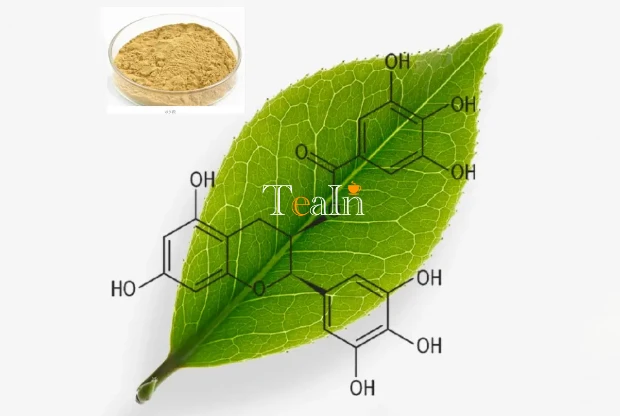
The idea that drinking tea is good for health has long been deeply rooted in people’s minds. Whether it’s a cup of fresh tea to awaken vitality in the morning or a pot of fragrant brew to soothe the mind in the afternoon, tea is not just a flavorful beverage but also carries time-honored health wisdom. At the heart of all these health benefits lies a key active component in tea—tea polyphenols, traditionally known as tea tannins. This complex compound, which includes catechins, flavonoids, phenolic acids, and other substances, is both the soul that shapes the sweet aftertaste of tea and a "natural guardian" protecting human health. Its secrets have been thoroughly researched and confirmed by the global scientific community.
I. Tea Polyphenols: The Core Code to Tea’s Health Benefits
The health values of tea polyphenols are diverse and solid, far beyond a single antioxidant function. Each benefit is supported by clear scientific evidence.
Its most prominent advantage is its powerful antioxidant capacity. Tea polyphenols can efficiently eliminate excess free radicals in the body, reduce cell damage caused by oxidative stress, and slow down the aging process. This is the scientific basis behind the saying "regular tea drinkers look younger." In terms of metabolic regulation, it helps lower triglyceride and cholesterol levels in the blood, improves lipid metabolism, and provides gentle, natural support for weight management and cardiovascular health.
Antibacterial and tooth-protective properties are another highlight of tea polyphenols. It exerts a significant inhibitory effect on common pathogenic bacteria such as Escherichia coli and Staphylococcus aureus. At the same time, it inhibits the growth of harmful bacteria in the mouth, reduces plaque formation, and is very beneficial for maintaining oral hygiene and health. Recent studies have further found that catechins, a component of tea polyphenols, can also help regulate blood sugar, support post-meal blood sugar stability, and enhance immune function—making tea’s health benefits more comprehensive and multi-faceted.
These tangible health effects make tea polyphenols the core reason why drinking tea is beneficial. Differences in tea polyphenol content across various tea types also determine the extent to which these health values are realized.
II. Tea Polyphenol Content in Different Tea Types Fermentation Degree Matters
The retention of tea polyphenols depends primarily on the tea’s fermentation process. During fermentation, enzymes in the tea leaves promote the gradual conversion of tea polyphenols into substances such as theaflavins and thearubigins. These converted products give the tea liquor a warmer color and mellow taste while reducing the content of original tea polyphenols.
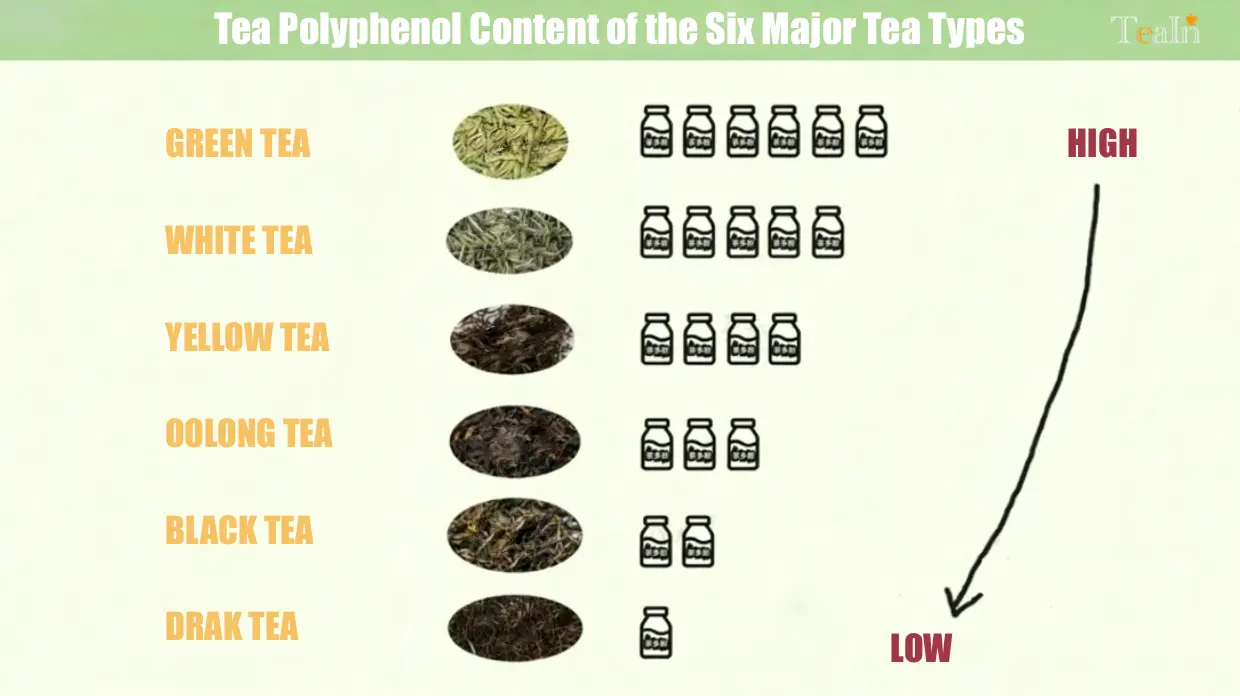
Among the six major tea categories, green tea is the "leader" in tea polyphenol content. As an unfermented tea, it retains over 80% of its tea polyphenols. Classic varieties like Longjing, Biluochun, and Maojian preserve the tea’s natural activity to the greatest extent, making them the top choice for supplementing tea polyphenols.
Next are white tea and yellow tea: the former uses a lightly fermented process, with a tea polyphenol content of approximately 12% to 18% and a fresh, elegant flavor; the latter is slightly fermented, with a content of around 10% to 15% and a crisp, sweet aftertaste. Both are excellent choices that balance flavor and health.
Oolong tea is a semi-fermented tea with a tea polyphenol content of about 8% to 12%. Varieties like Tieguanyin and Dahongpao offer rich, layered flavors and a mellow, sweet aftertaste, making them suitable for those who prefer complex tastes while still wanting to intake tea polyphenols.
Black tea and dark tea, which undergo full fermentation and post-fermentation respectively, have most of their tea polyphenols converted, resulting in a content of 5% to 8%. Although they still retain certain health values, they are not the optimal options for supplementing tea polyphenols. They are more suitable for drinkers who enjoy a warm, smooth taste or have sensitive stomachs.
III. Scientific Tea Drinking Maximize the Health Value of Tea Polyphenols
After choosing the right tea type, proper brewing methods and reasonable dosages can double the absorption efficiency of tea polyphenols. This is the key reason why many people "drink tea for a long time but do not feel obvious benefits."
1. Brewing Tips The Perfect Combination of Water Temperature, Time, and Tea Quantity
- Water temperature control: Green tea should be brewed with 80-85°C hot water. Excessively high temperatures will destroy the activity of tea polyphenols and lead to nutrient loss. Oolong tea and white tea can be brewed with boiling water above 95°C, which can fully extract the active components in the tea and release a mellow aroma.
- Brewing duration: The first brew should last 1-2 minutes to initially extract tea polyphenols. The second brew can be extended to 2-3 minutes, when the flavor and nutrition reach their peak. After the third brew, the amount of tea polyphenols extracted drops significantly. It is recommended to brew no more than 3 times to avoid affecting taste and nutrient absorption through repeated brewing.
- Tea-to-water ratio: Pair 2-3 grams of green tea or 3-4 grams of oolong tea with 300 milliliters of water. This ensures the tea liquor is rich yet moderate, avoiding stomach burden from excessive concentration and balancing taste and health.
2. Dosage Recommendations 300-400 Milligrams per Day Is the Golden Dose for Adults
According to tea scientific research, adults who consume 300-400 milligrams of tea polyphenols per day can safely and fully experience their health benefits. Converted to daily tea-drinking habits:
- Green tea: 5-8 grams of tea brewed into 2-3 cups (each about 300 milliliters) can easily meet the daily recommended intake.
- Oolong tea: 8-12 grams of tea brewed into 3-4 cups, suitable for those who prefer mellow tastes and drink tea for longer periods.
- White tea: 6-10 grams of tea brewed into 3 cups. Its gentle nature has little irritation to the stomach, making it more suitable for long-term consumption.
Notably, a cup of green tea brewed with 2 grams of leaves contains approximately 100 milligrams of catechins, the core active component of tea polyphenols. This means drinking 3 such cups of green tea per day can meet basic health needs, with no need for intentional excessive tea consumption.
IV. Avoid Common Mistakes Drink Tea Scientifically for More Peace of Mind
While tea polyphenols are beneficial, scientific drinking principles should be followed. The following mistakes should be avoided to ensure long-term health benefits:
First, reject "excessive tea drinking." Overconsumption of tea polyphenols may irritate the gastric mucosa, leading to discomfort such as bloating, acid reflux, or insomnia. Following the recommended dosage is sufficient. The gentle nourishment from natural tea drinking is far superior to deliberate "quantity-focused" consumption.
Second, make flexible adjustments for specific groups. People with iron deficiency anemia are advised to drink tea 1-2 hours after meals to avoid tea polyphenols binding with iron in food and affecting absorption. Pregnant women, breastfeeding mothers, and those with sensitive stomachs can choose black tea or dark tea with lower tea polyphenol content, or reduce intake to 1-2 cups per day to minimize body burden.
Additionally, it is not recommended to take tea polyphenol supplements directly. In natural tea, tea polyphenols are balanced with amino acids, tea polysaccharides, and other components, making them gentle and easily absorbable to work synergistically. Supplements, however, have excessively high concentrations of tea polyphenols, which may disrupt metabolic balance in the body and go against the original intention of "natural health preservation."
Finally, distinguish between "tea polyphenols" and "caffeine." Although both exist in tea, their functions are completely different: tea polyphenols are responsible for health benefits, while caffeine provides a refreshing effect. For those sensitive to caffeine, choose low-caffeine teas (such as some aged white tea) or avoid drinking tea in the afternoon and evening to prevent sleep disturbances.
The essence of drinking tea is to experience nature’s gifts in daily life. As the core code to tea’s health benefits, tea polyphenols do not need to be deliberately pursued. By choosing the right tea, using proper brewing methods, and controlling dosage, you can quietly nourish your body while savoring the aroma of tea. Whether it’s a cup of green tea to awaken vitality in the morning or a pot of oolong tea to soothe the mind in the afternoon, the wisdom of scientific tea drinking can make this health companionship more long-lasting and reassuring.
Summary
This article uncovers the core reason why drinking tea benefits health—tea polyphenols. It systematically explains the diverse health values of this key active component in tea, including antioxidant, metabolic regulation, antibacterial, and tooth-protective effects. By exploring the fermentation characteristics of different tea types, it clarifies variations in tea polyphenol content, paired with scientific brewing techniques and recommended dosages. It also addresses common misconceptions and adaptations for specific groups, providing a practical and easy-to-understand guide to healthy tea drinking that helps people effortlessly gain natural nourishment through daily tea enjoyment.