
Why Isn’t White Tea Picked on Rainy Days? Core Weather Requirements for White Tea Harvesting
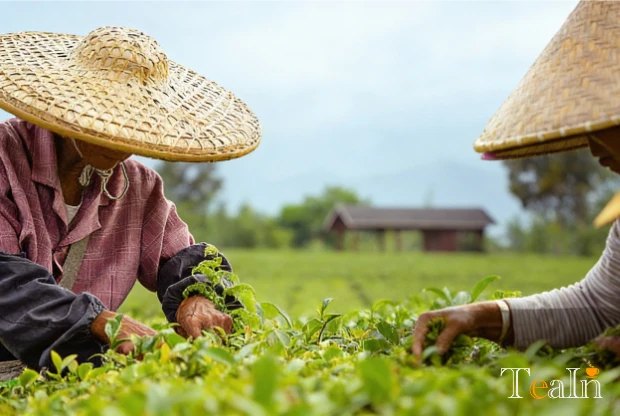
The birth of high-quality white tea requires strict standards starting from the harvesting weather. Many tea lovers will find that premium white tea is mostly harvested on sunny days, while rarely picked on rainy days. This is not a mere traditional habit but determined by tea leaf characteristics and processing logic—harvesting on rainy days directly impairs white tea’s quality and flavor.
I. Core Risks of Harvesting on Rainy Days: Chain Problems Caused by Moisture
The key reason for avoiding rainy-day harvesting lies in moisture’s all-round impact on tea leaves:
- Fresh tea leaves absorb a lot of water, exceeding the safe moisture content. During natural withering, drying becomes extremely slow, easily triggering abnormal fermentation that destroys the fresh and crisp flavor, even leading to sourness.
- Long-term moisture retention creates a breeding ground for mold and bacteria, which not only affects immediate taste but also significantly reduces long-term storage safety.
- Rainwater dilutes core nutrients in tea leaves such as amino acids and aromatic substances, resulting in weak flavor and loss of freshness.
II. Rainy Days Degrade Dry Tea and Liquor Quality
Moist environments cause obvious quality defects in harvested white tea:
- Un timely drying of fresh leaves leads to "green buds and black stems," losing the "white buds and green stems" appearance unique to high-quality white tea.
- Fermentation disrupts the balance between tea polyphenols and amino acids, making the tea liquor bitter with weak sweetness.
- Aromatic substances are prone to volatilization or transformation, lacking the fresh downy and floral aromas of tea harvested on sunny days.
III. Ideal Weather Conditions for White Tea Harvesting
The core requirement for premium white tea harvesting is "dryness and low humidity":
- Prioritize sunny days: Moderate temperature and low humidity keep fresh tea leaves at an appropriate moisture level, facilitating quick drying and maximizing the retention of nutrients and aromas.
- Optimal wind direction: Northeast wind brings dry air, further improving drying efficiency and helping form a fresh and crisp taste.
- Avoided weather: Rainy days, foggy days, and south wind days (high humidity slows drying, easily causing quality degradation).
IV. Purchase Advice: Control Quality from Harvest Weather
Ordinary consumers can avoid white tea harvested on rainy days through simple methods:
- Ask about the harvesting weather when purchasing, and prioritize products clearly marked as "harvested on sunny days."
- Observe dry tea appearance: High-quality sunny-day white tea has distinct buds and leaves, with white buds and green stems and uniform color; if the dry tea is dull and sticky, it is likely harvested on rainy days.
- Distinguish by aroma: Sunny-day white tea has a pure, fresh aroma without off-notes; tea harvested on rainy days may have a stuffy, sour, or musty smell.
Harvest weather is the "first line of defense" for white tea quality. The moist environment on rainy days triggers a series of problems such as fermentation, nutrient dilution, and mold growth, making it impossible to produce high-quality white tea. Only harvesting in dry and suitable weather can help white tea retain its authentic freshness and purity—this is the basic requirement of natural conditions for premium white tea.
Summary
This article addresses "why white tea isn’t picked on rainy days," focusing on the hazards of rainy-day harvesting: moisture causes tea fermentation, nutrient dilution, and mold growth, leading to poor dry tea appearance, bitter taste, and insufficient aroma. It clarifies the ideal harvesting conditions for white tea—sunny days and northeast wind (low humidity, easy drying)—and provides purchase advice (asking about harvesting weather, observing dry tea appearance, smelling aroma). The article emphasizes that harvest weather is a key factor affecting white tea quality; rainy-day harvesting directly damages its fresh flavor and storage potential, and the birth of high-quality white tea is inseparable from suitable natural conditions.