Why You Should Drink More Aged White Tea in Winter
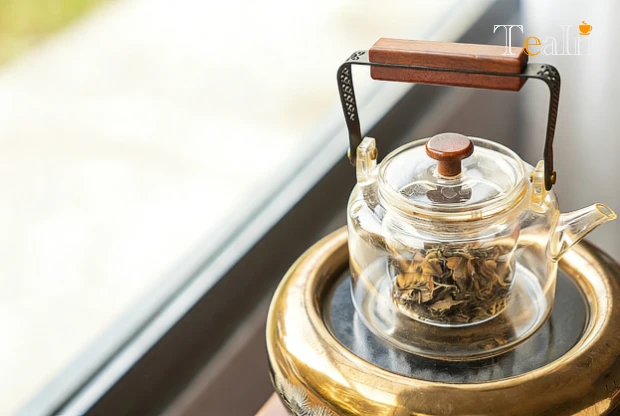
As the cold wind picks up and temperatures drop sharply, a warm, mellow cup of aged white tea becomes the perfect choice to dispel chill and nourish the body. The well-known saying "One year as tea, three years as nourishment, seven years as treasure" perfectly captures the value of aged white tea as it matures over time. Quietly transforming with the years, it not only develops a unique herbal aroma but is also regarded by many as a "natural beverage" with health benefits. Many underestimate its nourishing power, yet its flavor and effects perfectly align with the body’s needs in winter, making it an unparalleled choice for seasonal wellness.
I. The Winter-Exclusive Flavor of Aged White Tea: Herbal Warmth to Chase Away Cold
The charm of aged white tea lies in its time-honed aroma, which feels especially precious in winter. This herbal scent does not emerge by chance; it is the result of complex transformations in the tea’s aromatic compounds during aging, perfectly suited to winter’s sensory experience.
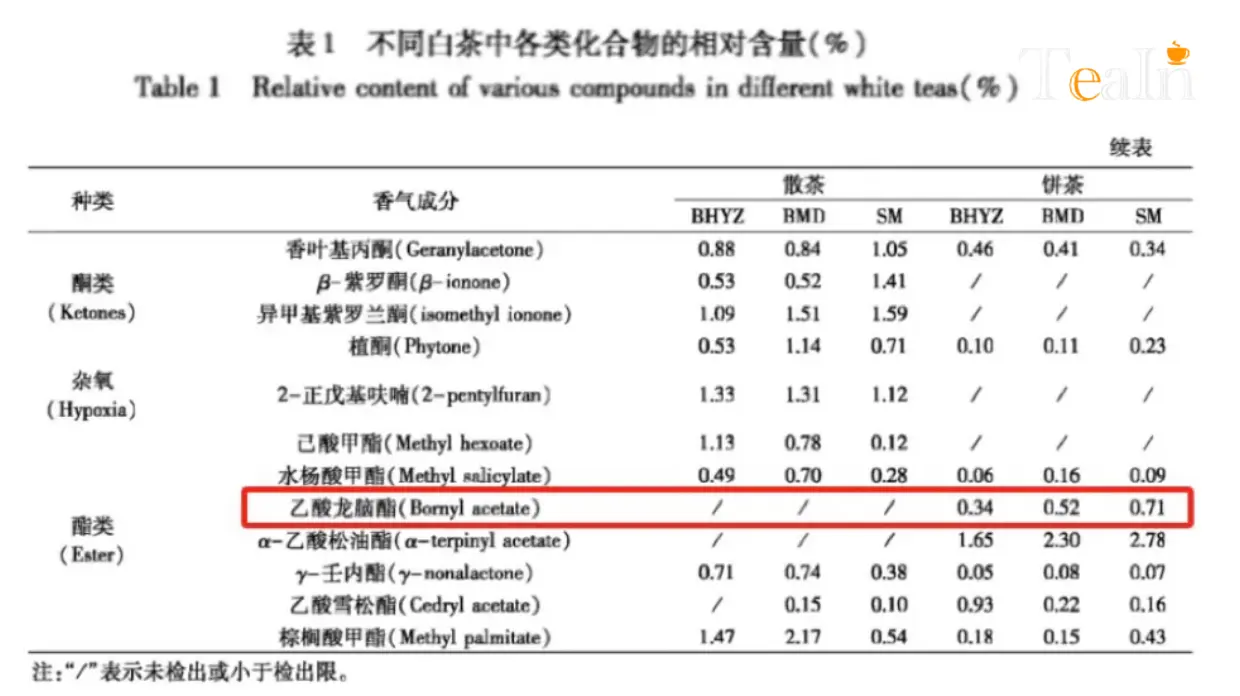
White tea’s production process—no pan-frying or rolling—preserves the foundation for aroma development. During long-term storage, low-boiling aromatic compounds gradually evaporate, while medium and high-boiling components continue to form, ultimately creating a rich, layered aged aroma profile. A key compound contributing to its herbal scent is bornyl acetate, which carries distinct herbal and pine notes, particularly prominent in compressed aged white tea cakes. Research shows that after three years of storage, bornyl acetate is detectable in compressed cakes of Silver Needle, White Peony, and Shoumei, with Shoumei cakes boasting the highest content and most pronounced herbal aroma.
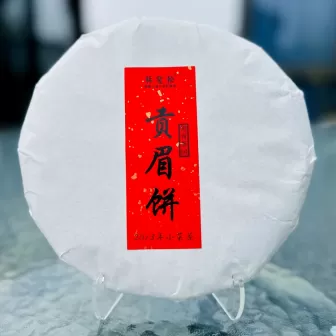
The compression process further enhances herbal aroma formation. Compressed white tea has a dense structure that creates a stable aging environment, accelerating the transformation of aromatic compounds. In contrast, loose-leaf tea has a loose structure and slower transformation, requiring longer storage to develop noticeable herbal notes. Different types of aged white tea offer unique herbal aroma expressions: compressed Silver Needle and White Peony cakes develop rich jujube and woody notes alongside herbal scents; Shoumei, whether loose or compressed, exhibits distinct herbal aromas, with compressed cakes offering more layered complexity thanks to added spicy and woody undertones.
The longer the aging period, the richer and more intense the herbal aroma becomes. Aged white tea stored for over five years sees herbal notes become one of the dominant aromas, interwoven with jujube and aged scents. When brewed, it fills the room with warm fragrance. This gentle aroma soothes the dull mood of winter, and paired with warm tea liquor, it brings comfort to both the senses and the body, effectively chasing away the cold.
II. The Winter Wellness Benefits of Aged White Tea: Gentle Nourishment for Seasonal Needs
Winter’s cold, dry weather often leads to internal heat, sore throats, and weakened immunity. Aged white tea’s "nourishing properties" address these issues precisely, with its health benefits supported by scientific evidence and long-standing practical use.
Flavonoids are the core of aged white tea’s nourishing power. These potent antioxidants effectively eliminate free radicals in the body, reducing cell damage caused by oxidative stress. Studies show that aged white tea contains significantly higher levels of flavonoids than new white tea, with content increasing with storage time. A 2002 Shoumei cake, for example, has a flavonoid content of up to 24.02mg/g, far exceeding that of short-term stored white tea. Beyond antioxidants and anti-inflammatory effects, flavonoids also support cardiovascular health, making aged white tea effective at relieving internal heat and sore throats—common problems caused by dry indoor air in winter.
Though inherently cool in nature, aged white tea becomes milder after aging, offering heat-clearing benefits without irritation. A traditional folk remedy from Fuding involves simmering 3-5 grams of aged Silver Needle in a double boiler for 10 minutes, adding a touch of rock sugar to relieve toothaches and sore throats caused by internal heat. Modern research further confirms that active compounds in aged white tea have antibacterial properties and boost immunity. Its antioxidant capacity also improves with aging, providing gentle protection during the cold season and reducing the risk of colds and other ailments.
Additionally, compounds like tea polyphenols and soluble sugars in aged white tea create a thick, sweet taste. Drinking it replenishes energy quickly, alleviating fatigue and chills common in winter. Warm tea liquor also promotes blood circulation, dispelling internal cold and warming the body from the inside out—perfect for winter’s core need of chasing away chill.
III. A Guide to Drinking Aged White Tea in Winter: Maximize Nourishment with the Right Methods
Aged white tea can be enjoyed in various ways, with methods that maximize its warming and nourishing effects, perfectly suited to winter scenarios.
1. Classic Simmering Method (Highly Recommended)
This is the most effective way to unlock aged white tea’s potential in winter, fully releasing its mellow flavor and herbal aroma. Add 5-8 grams of aged Shoumei or White Peony to a teapot with approximately 800ml of water. Bring to a boil over high heat, then simmer on low for 5-10 minutes. The resulting tea has an amber-red hue, rich herbal and jujube aromas, and a thick, sweet taste. Drinking it warm provides immediate relief from cold, making it ideal for family gatherings.
2. Double Boiler Stewing Method (Gentle Nourishment)
This method preserves the tea’s active compounds, making it perfect for those seeking gentle nourishment. Place 3-5 grams of aged Silver Needle or White Peony in a small pot, add warm water, and simmer in a double boiler for 10-15 minutes. The brewed tea is mild and aromatic, relieving fatigue and soothing sore throats. A touch of rock sugar enhances the flavor, making it a great choice for solo relaxation on winter afternoons.
3. Gaiwan Brewing Method (Savoring Nuances)
Ideal for those who want to appreciate the layered flavors of aged white tea. Add 3 grams of aged white tea to a gaiwan, pour boiling water (above 95°C), and quickly rinse the tea once. For the second infusion, steep for 30 seconds to 1 minute, gradually extending steeping time for subsequent infusions. This method reveals the tea’s evolution from fresh to mellow, with herbal, aged, and jujube notes emerging in sequence—perfect for slow savoring and enjoying a moment of calm in the cold winter.
Aged white tea can also be paired with other ingredients to suit individual needs. Adding dried tangerine peel enhances digestion, making it suitable for those with poor appetite. Combining with wolfberries boosts nourishment and adds a milder taste. Drinking it plain, however, allows you to fully experience its authentic flavor—pure and comforting.
IV. Selecting and Storing Aged White Tea: Preserving Time’s Gift
To enjoy high-quality aged white tea throughout winter, proper selection and storage are crucial.
1. Selection Tips
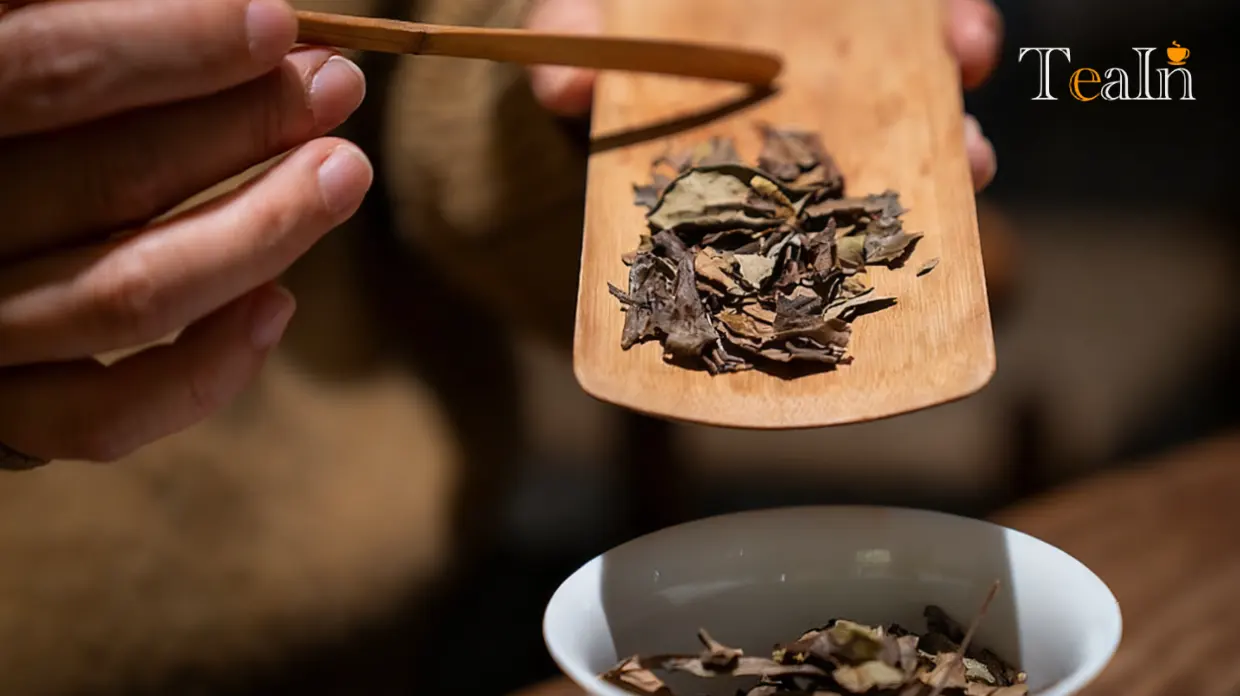
Dry tea appearance: High-quality aged white tea has a deep brown or yellowish-brown color, tight strips, no mold or off-odors, and visible, evenly distributed white down.
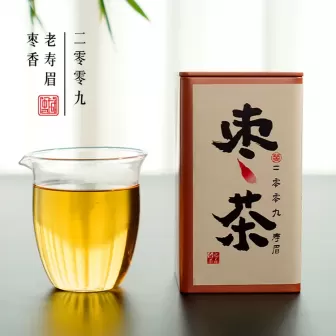
Tea liquor: When brewed, the liquor should be amber-red or deep apricot-yellow, clear and translucent with no turbidity or sediment.
Aroma: Rich, pure herbal, jujube, and aged scents with no impurities or mustiness.
Taste: Mellow and full-bodied with a noticeable sweet aftertaste, no bitterness, and a thick, smooth texture.
2. Storage Methods
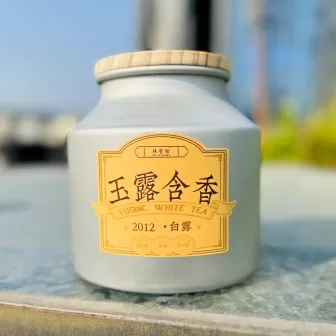
Aged white tea requires a stable environment for aging. Follow the five key principles: sealed, dry, dark, room temperature, and odor-free. Store in ceramic jars, purple clay pots, or airtight aluminum foil bags. Avoid damp environments, odor sources, direct sunlight, and high temperatures. Whether loose-leaf or compressed, maintaining a stable storage environment allows the tea to continue transforming over time, enhancing its flavor and value. This ensures it retains its excellent quality even when enjoyed slowly throughout the winter.
Summary
This article explores why aged white tea is ideal for winter, highlighting its core advantages that align with seasonal needs. First, its unique herbal aroma develops from compounds like bornyl acetate during aging, enhanced by the compression process to deliver sensory warmth. Second, active ingredients such as flavonoids accumulate with age, offering antioxidant, anti-inflammatory, and heat-clearing benefits that address winter-specific issues like dryness, chills, and weakened immunity. Third, brewing methods like simmering and stewing maximize its warming effects, perfectly suited to winter scenarios. The article also includes tips for selecting and storing aged white tea, illustrating that it is not only a flavorful beverage but also a premium choice for nourishing the body and mind during winter.