
Zhenghe White Tea: 5 Little-Known Facts Unveiling Its Flavor and Terroir Secrets
When it comes to China's hometown of white tea, most people will immediately think of Fuding. In fact, hidden among the mountains of northern Fujian is a low-key white tea producing area: Zhenghe. It is not so much in the spotlight, yet it quietly supports the largest white tea supply chain in China.
Because of its unique geographical location, tea cultivars and other factors, Zhenghe white tea has developed its own distinctive character. On the internet, there are few introductions to it; over the years, I have handled many Zhenghe white teas, and I will use my professional experience to explain Zhenghe white tea and its unique charm.
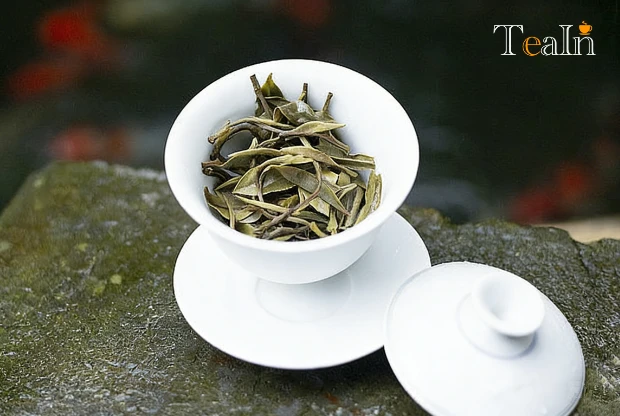
Zhenghe Baihao Yinzhen: slender in appearance, but actually firm in bud.
If we place Zhenghe Baihao Yinzhen and Fuding Baihao Yinzhen side by side, at first glance we can see that Zhenghe Baihao Yinzhen looks thinner. This does not mean that Zhenghe Baihao Yinzhen is thin and weak; rather, its buds are compact. After we brew it, the tea buds that initially looked slender will fully unfurl, appearing full and plump.
The tea liquor of brewed Zhenghe white tea is silky and mellow, exactly what we call a "rice soup sensation," and it is also especially resistant to multiple infusions. This quality comes from Zhenghe's unique dual climate.
Most tea gardens in Zhenghe are located in high-altitude areas, where the temperature difference between day and night is wide. When night falls, the temperature drops, and the low temperature causes the tea buds to contract and tighten; when daytime arrives, the temperature warms up, and the buds and leaves unfold again. This repeated contraction and expansion allows the tea buds to accumulate rich internal substances during growth.
When the leaves undergo withering, because of the climate, their moisture loss is more thorough, and the buds thus become fixed in a compact form. Therefore, the buds of Zhenghe white tea are rich in polysaccharides and amino acids, and these substances give the tea liquor its mellow body and excellent durability in brewing.
Most Zhenghe white tea is actually made from Fu'an Dabai.
To everyone's surprise, most Zhenghe white tea on the market is not made from the local Zhenghe Dabai. In Zhenghe, the Zhenghe Dabai cultivar does exist, but it belongs to arbor-type tea trees, with late budding, a long picking period, and limited yield, making it difficult to support large-scale production. Therefore, local tea gardens in Zhenghe have turned to planting the Fu'an Dabai cultivar instead.
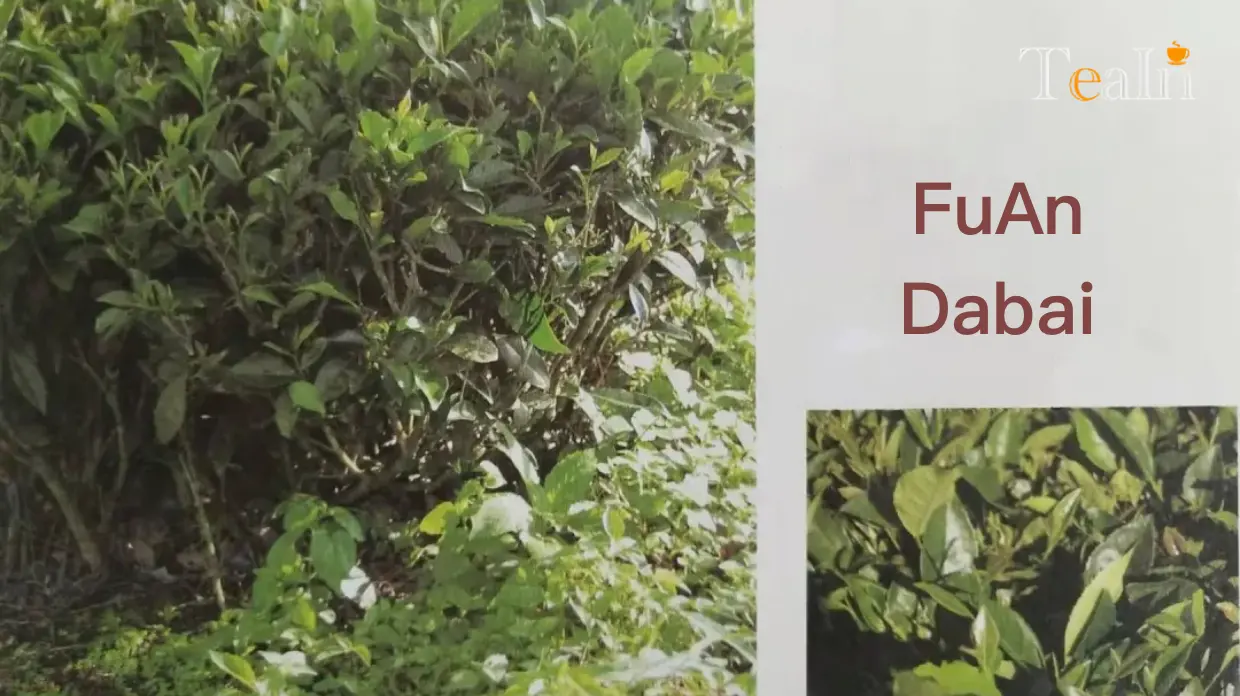
Fu'an Dabai was bred from the local Zhenghe cultivar Shangfu, so in a sense it can be regarded as "returning to its native land." Because Fu'an Dabai buds more than half a month earlier than Zhenghe Dabai, it is very well suited to the local high-altitude tea garden environment and has gradually become the main tea cultivar for Zhenghe white tea production.
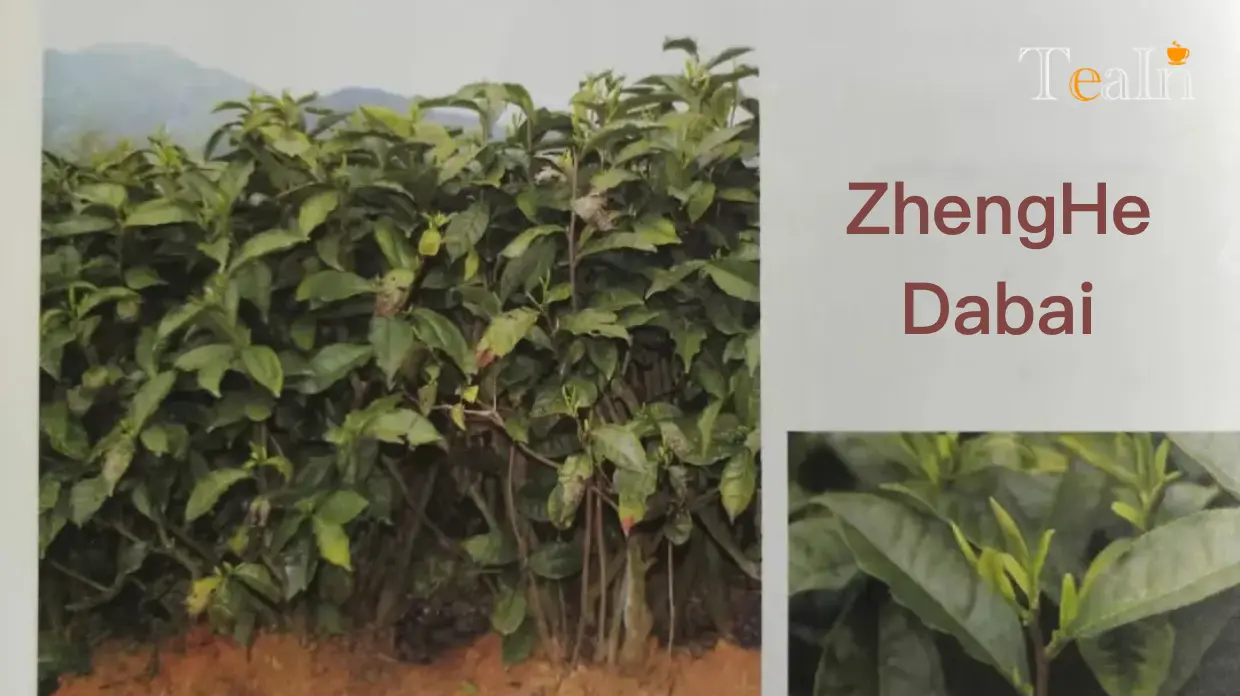
The styles of Fu'an Dabai and Zhenghe Dabai are not the same: Fu'an Dabai has rich floral fragrance and is fresh, lively and sweet; Zhenghe Dabai has plump buds and a mellow, full tea liquor. Some tea makers blend the two, so that both the floral fragrance and the mellow body can be achieved.
When we buy tea, such blended tea can also be an option. However, such mixed picking and blending mostly occur during the Shoumei harvest season; in the vast majority of cases the two cultivars are processed separately.
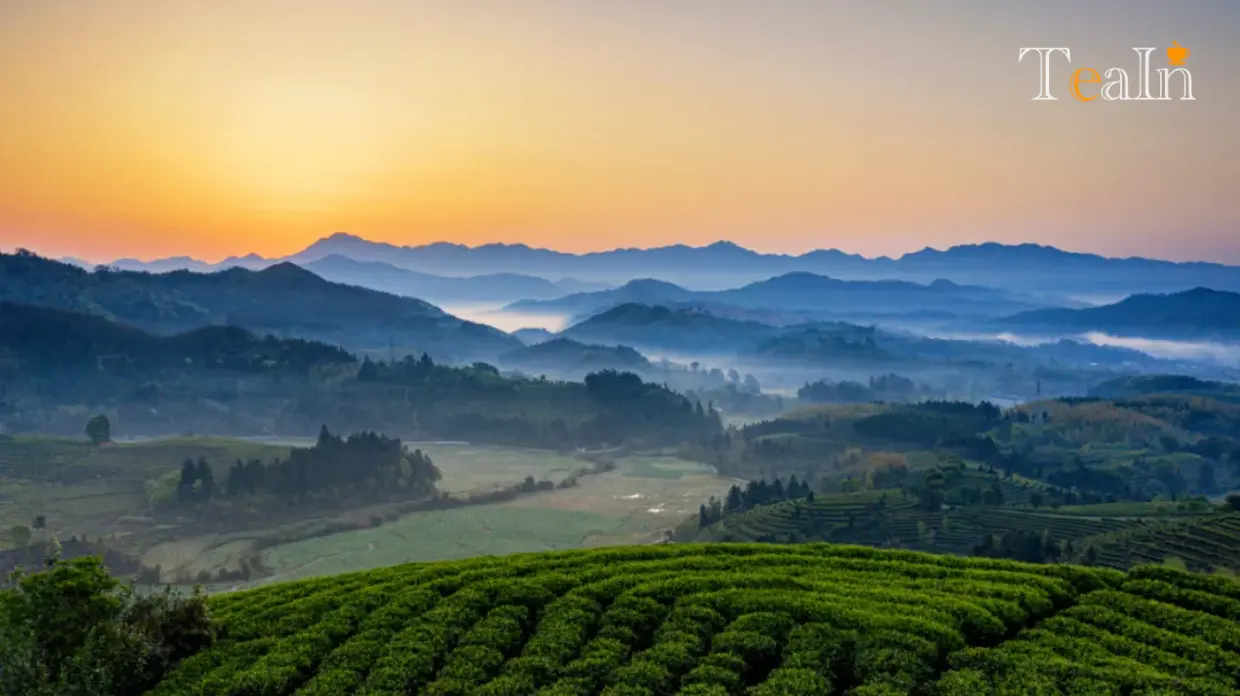
800–1200 meters above sea level: the golden growing zone for Zhenghe white tea.
Experienced tea lovers all know that good tea grows in high mountains, but the situation in Zhenghe is somewhat different: higher altitude does not necessarily mean better quality. The 800–1200-meter altitude range is its golden producing area. Compared with lower altitudes, tea gardens in this altitude belt are shrouded in mist all year round, with soft light and lower temperatures, so the tea trees grow at a slower pace; the tea buds can fully accumulate polyphenols and amino acids, and the resulting white tea has a long-lasting aroma, a full taste, and clear layers.
For higher altitudes, such as above 1200 meters, the situation is completely different. High altitude leads to more severe cold, excessively heavy clouds and mist, and insufficient light in tea gardens. Tea tree growth is hindered, and the risk of frost, rain and snow rises greatly, which is unfavorable to bud development.
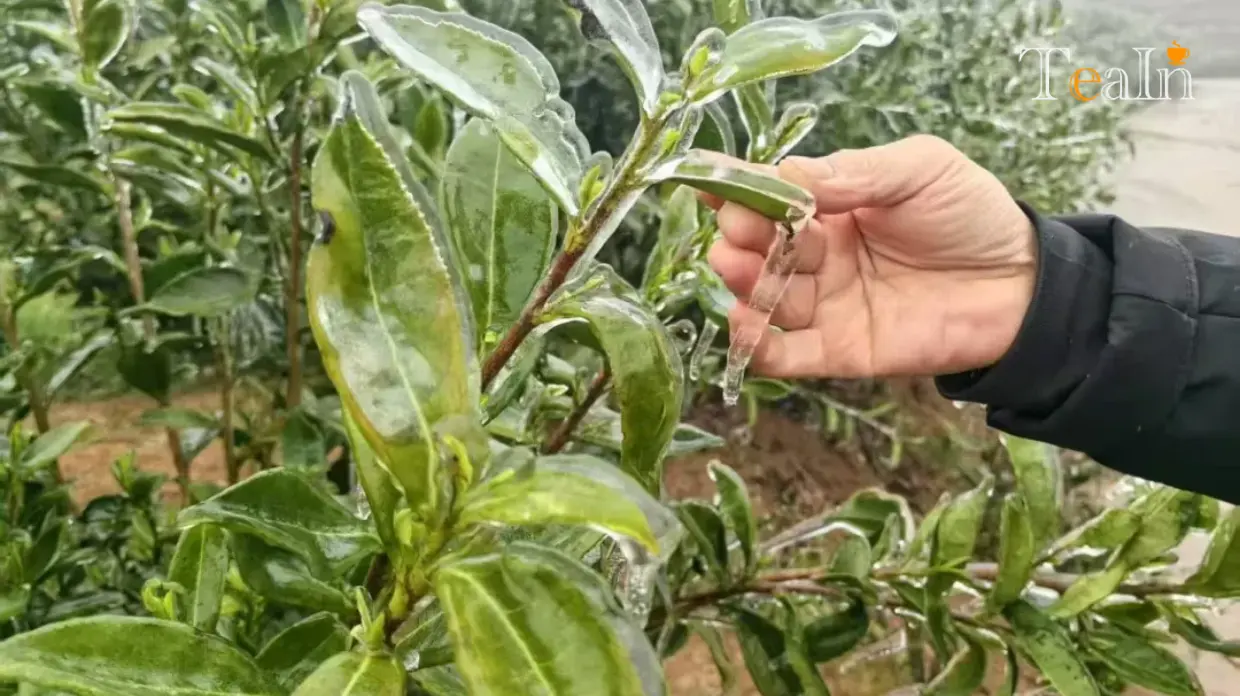
Of course, there are also some special circumstances. In recent years, some Zhenghe tea gardens above 1050 meters have suffered frost damage; low-temperature stress has caused the internal substances in the tea buds to become highly concentrated, producing tea with a highly distinctive flavor, and the scarcity caused by cold-related yield reduction has attracted great attention from collectors.
Zhenghe white tea: preferring indoor shade drying over sunlight withering.
Unlike Fuding white tea's sunlight withering process, Zhenghe white tea takes a different path and mostly uses indoor shade drying away from direct sunlight. This is not because Zhenghe tea farmers are idiosyncratic; rather, it is shaped by three factors: climate, the characteristics of fresh leaves, and the pursuit of flavor.
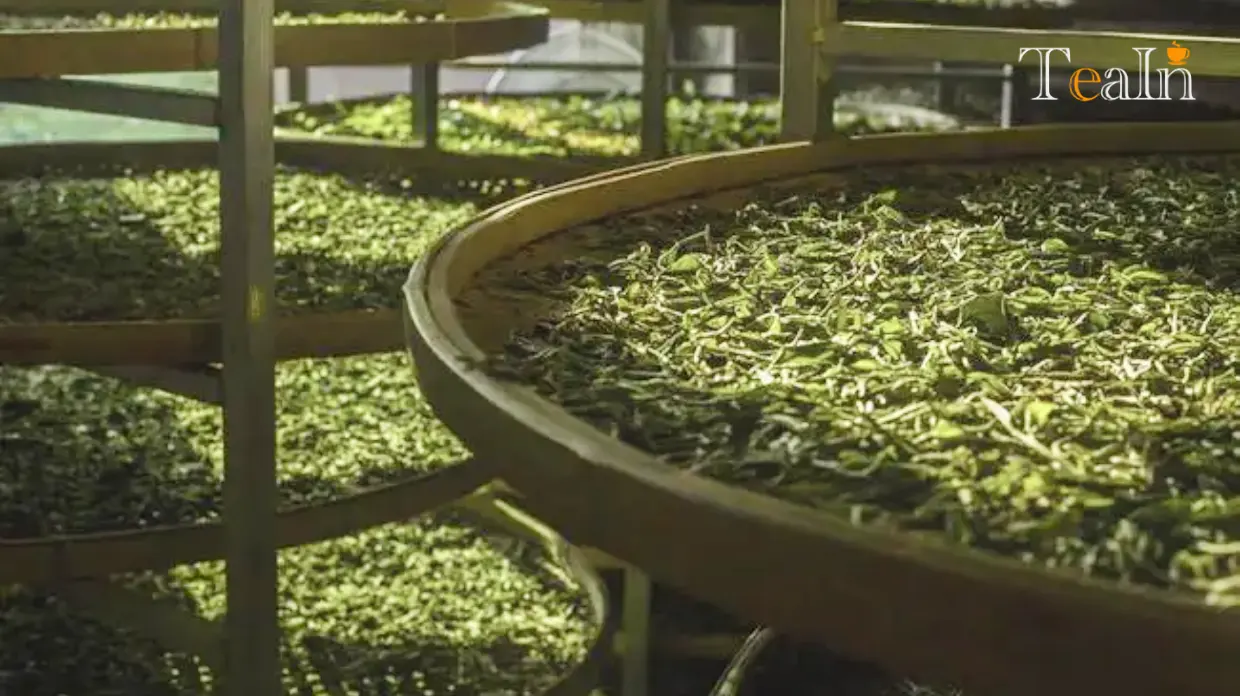
Climatically, Zhenghe's tea-picking season often coincides with the rainy season, so sunlight withering is frequently impossible. Indoor shade drying, by contrast, is not affected by weather, and the process is stable and controllable. In addition, Zhenghe tea buds are firm and thick; if exposed to sunlight, the surface may dry quickly while internal moisture remains, creating a dry exterior and wet interior, which would seriously damage the aging potential.
In terms of flavor, Zhenghe white tea does not pursue a strong pekoe aroma, but rather an elegant floral fragrance and a pure, transparent tea liquor. If sunlight withering is used, the sun exposure tends to bring a strong sun-dried dryness that masks the tea's original flavor. Indoor shade drying can preserve the tea's original aroma to a greater extent, so the finished tea liquor is cleaner and the floral fragrance is more prominent.
Zhenghe was once a place of royal tribute tea.
Zhenghe white tea also has a profound historical heritage, and it is inseparable from the famous Beiyuan tribute tea of ancient China. In history, Zhenghe was once called Guanli County and belonged to the core producing area of Beiyuan tribute tea. This tribute tea producing area covered parts of what are now Jian'ou and Jianyang in Nanping.
In the Song Dynasty of China, Zhenghe's silver needle stood out in the Beiyuan tea competition and was selected as tribute tea. According to legend, Emperor Huizong of Song loved this tea so much that he gave Guanli County the name of his own reign title "Zhenghe," which is the origin of the county's name. The high-quality tea produced in Zhenghe was thus incorporated into the royal tribute tea system.
In addition to its connection with royal tribute tea, Zhenghe is closely linked to Zhang Tinghui, who was later honored as the Tea God and founded the Beiyuan tribute tea system. Zhang Tinghui's family was originally from Zhenghe, and only later moved to Jianzhou to develop the tea trade. During the Five Dynasties period, he donated the Fenghuang Mountain tea garden to the Min Kingdom, thus opening the era of Beiyuan tribute tea. Local genealogies in Zhenghe still record this tribute tea history today, reminding the world that this quiet tea region has not always lived under the shadow of Fuding.
Tea friends, after the above introduction, the next time we taste Zhenghe white tea, we can carefully appreciate the rich internal substances contained beneath the slender buds; we can carefully experience that the tea in the cup may come from Fu'an Dabai, but it was grown in a specific golden altitude zone, finished by indoor shade drying, and the county name originates from an emperor's bestowed title. Zhenghe white tea condenses terroir, craftsmanship, and history all into one cup of tea liquor, and it deserves to be viewed independently by us.