How to Choose White Tea in Autumn?
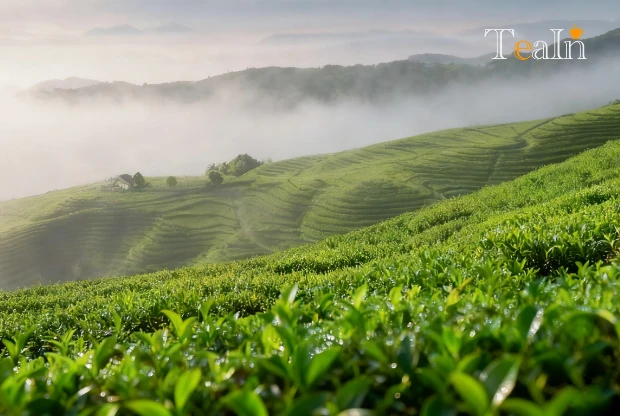
The most obvious weather change after the start of autumn is the large temperature difference between day and night.
It is still warm in the daytime, while cool breezes blow in the early morning and night, making the air extremely dry.
An old folk saying goes, "From Bailu to the Autumn Equinox, every night brings cooler weather."
Autumn witnesses rapid temperature drops and reduced humidity, making people prone to catching colds and dry skin and throats during the seasonal transition.
At this time, drinking tea is not only for quenching thirst but also for moistening and nourishing the body, and white tea is the top choice for autumn tea drinking.
Many tea lovers prefer white tea in spring, yet autumn white tea is no inferior in taste and health benefits.
Especially the white tea picked around the Bailu solar term is delicious, mild and non-cold, perfect for long-term drinking in autumn and winter.
However, many tea drinkers are confused about how to choose white tea in autumn.
They wonder the differences between spring white tea and autumn white tea, as well as how to pick new tea and aged tea.
Today, I will explain all of this to you in plain language.
1. The First Choice for Autumn White Tea: Bailu Shoumei (Longevity Eyebrow)
Seasoned tea drinkers know an old tea proverb: Spring tea is bitter, summer tea is astringent; the best tea is Bailu tea.
Summer white tea tastes slightly astringent, while spring white tea features high freshness but a mild taste.
Only Bailu autumn white tea avoids the bitterness and astringency of hot summer and accumulates the mildness of autumn, boasting the most pleasant taste all year round.
Many new tea drinkers cannot distinguish different types of autumn white tea. Here is the key tip: Prioritize Shoumei in autumn and avoid blindly choosing Silver Needle or White Peony.
Silver Needle and White Peony require extremely tender tea buds and are most suitable for spring harvesting.
In autumn, sufficient sunlight and large temperature differences slow down the growth of tea trees, resulting in short buds and broad leaves, which cannot form the plump and tender Silver Needle of spring.
Forcing the harvest of Silver Needle in autumn leads to poor appearance and thin taste, and will also damage tea trees and reduce the whole autumn tea yield.
Therefore, tea farmers prefer to harvest autumn Shoumei.
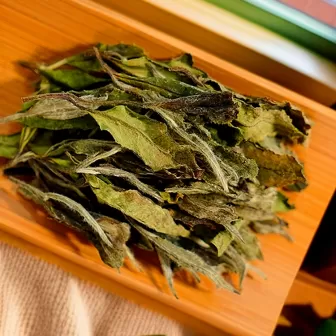
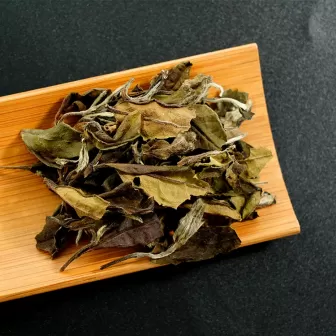
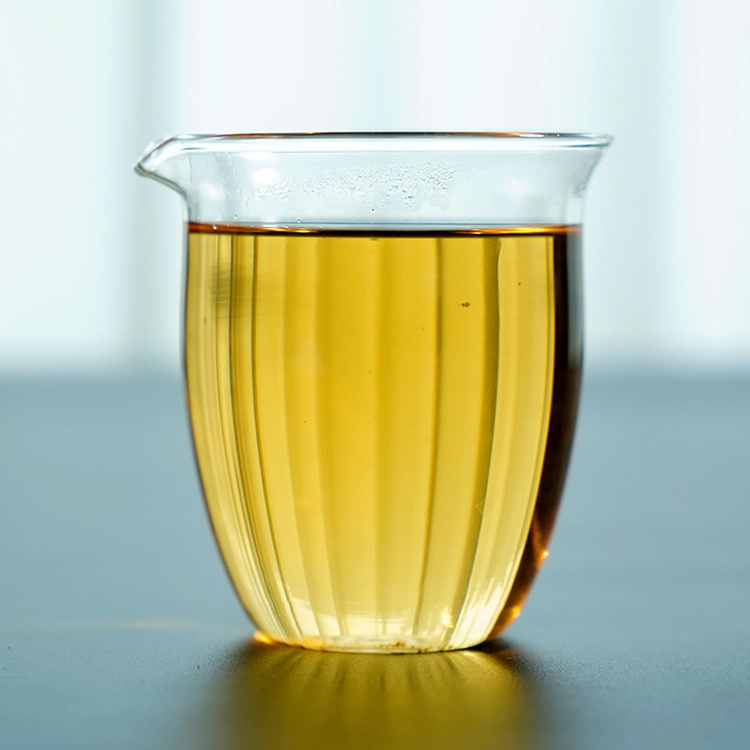
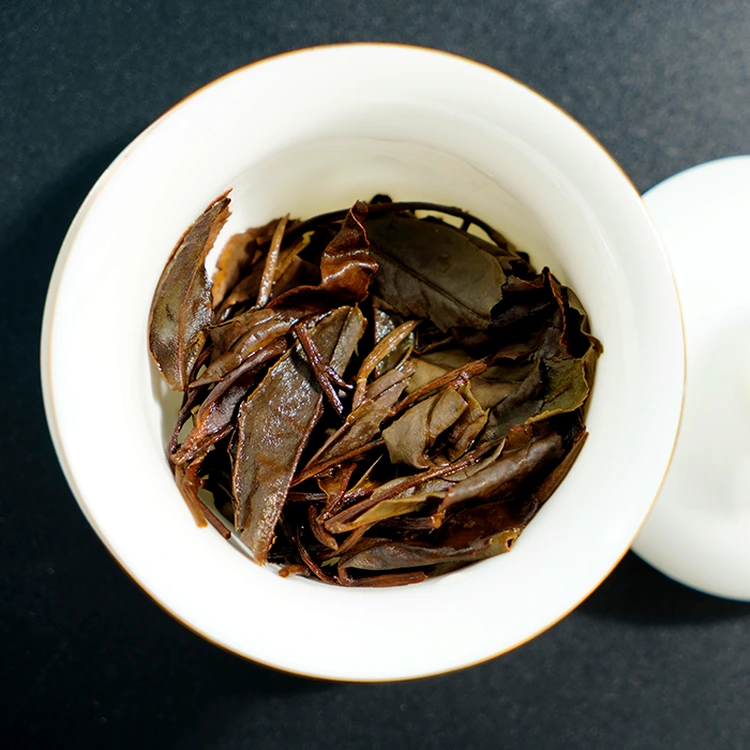
Autumn Shoumei has broad leaves and mixed colors, with yellowish-green, brick red and dark green tones.
Though less delicate than spring tea in appearance, it excels in taste with rich, sweet and mild tea soup, making it exclusive fine tea for autumn.
2. Core Advantages of Autumn White Tea: Sweet, Mild and Ideal for Autumn Physical Condition
Why is Bailu white tea a must-try in autumn? Its unique taste shaped by autumn climate cannot be replaced by spring and summer tea.
Moderate daytime temperatures in autumn allow tea trees to conduct full photosynthesis and accumulate sufficient nutrients.
Cool nights with abundant dews slow down the respiration of tea trees, locking plenty of pectin and sugar in tea leaves.
This endows autumn white tea with two distinct characteristics.
First, its aroma is gentle and understated.
Different from the strong grassy fragrance of spring tea, autumn white tea has restrained and soft floral notes with a touch of ripe fruity aroma, which is extremely comforting.
Second, it features high sweetness and rich tea soup.
Autumn white tea tastes smooth and mellow without blandness or bitterness.
It brings a lasting sweet aftertaste in the throat after swallowing, which greatly relieves dry throat in autumn.
More importantly, autumn white tea is mild in nature.
Unlike green tea and new summer tea which are cold in nature, it is totally suitable for people with weak spleen and stomach who are vulnerable to colds during autumn transition.
3. Autumn White Tea Storage: Taste Gets Better with Time, Friendly for Beginners
There is a well-known saying about white tea: It serves as tea for one year, medicine for three years, and treasure for seven years.
Autumn white tea is especially suitable for aging.
New tea offers fresh taste, while aged tea delivers mellow flavor.
When you keep it for 3‑10 years, its flavor and value get much better, so it’s a great pick for home storage.
Fresh Bailu white tea features vivid floral sweetness and freshness, suitable for those who prefer light and fresh tea taste.
After 3 to 5 years of storage, the green and astringent taste fades, fruity and honey notes emerge, and the tea soup becomes sweeter and thicker.
Tea stored for more than ten years will develop rich aged and medicinal aromas, featuring great mild health-preserving effects.
Many people ruin their white tea with sour taste and odor contamination due to wrong storage methods.
Master these three simple tips to store high-quality white tea easily.
- Seal and resist moisture: White tea is most vulnerable to dampness. Use double-layer sealing with aluminum foil bags and food-grade plastic bags, or store it in tin cans and pottery jars to isolate moisture and air and prevent mildew and deterioration.
- Store away from light: Do not place tea on balconies or window sills exposed to sunlight. Ultraviolet rays accelerate tea oxidation, cause aroma loss and taste deterioration. A cool and dry cabinet is the ideal storage place.
- Keep away from peculiar smells: White tea has a strong odor absorption capacity. Never store it near kitchens, bathrooms or wardrobes, or it will absorb lampblack, musty smells and cosmetic odors and lose its original aroma.
4. Three Cost-Effective Bailu White Tea Recommendations: Unique Charms for Different Vintages
Confused about which white tea to buy in autumn?
Here are three high-quality and well-reputed Bailu teas, covering new tea, medium-aged tea and decade-old tea to meet different taste preferences and needs.
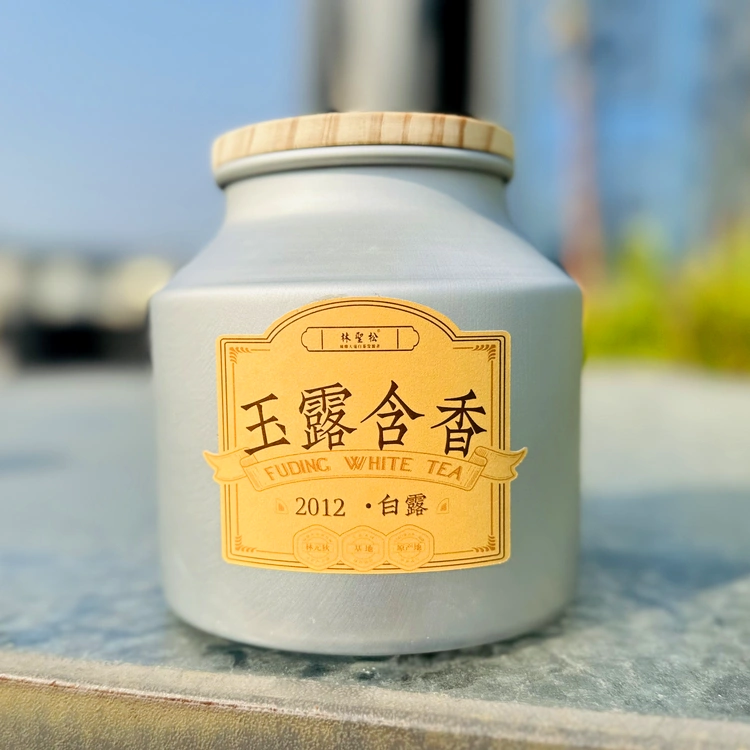
1. 2012 Jade Dew Fragrance White Tea – Decade-Old Aged Tea, Top Choice for Mild Health Preservation
This authentic decade-old Bailu tea has completely lost the greenness of new tea and is a favorite among veteran tea drinkers.
The dry tea emits a stable and rich aged aroma without pungent or messy notes.
After brewing, it produces warm and transparent amber tea soup with silky and thick texture.
It has layered aromas of aged tea, medicinal herbs and faint floral and fruity sweetness.
The lasting throat sweetness brings a warm and nourishing effect on the stomach.
It is perfect for daily health preservation and entertaining guests in autumn and winter.
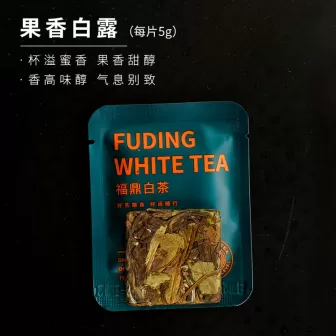
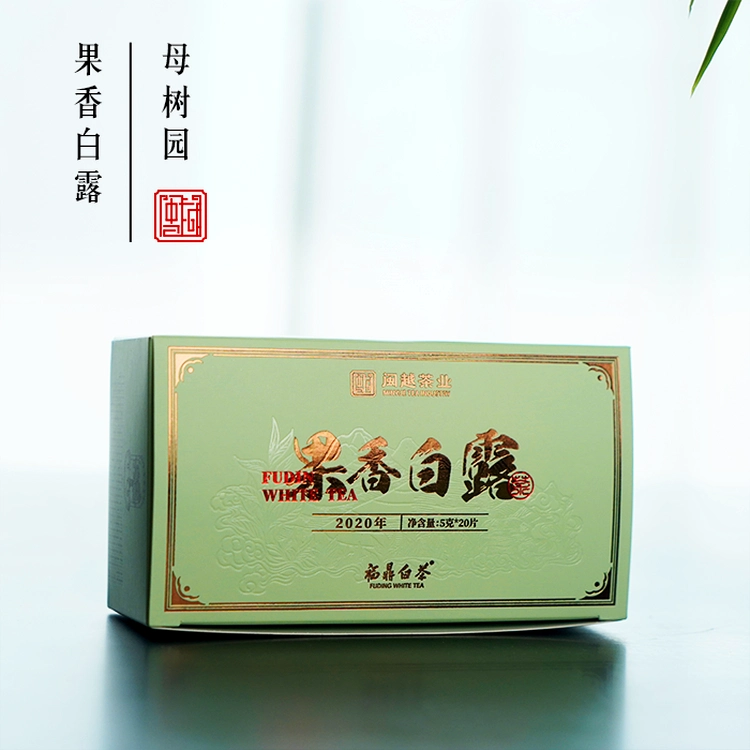
2. 2020 Fruity Autumn White Tea – Medium-Aged Tea with Universal Sweet and Mellow Taste
After four to five years of aging, this tea is in its prime with the best cost performance and most popular taste, suitable for both beginners and veteran tea drinkers.
It presents strong fruity aroma once the package is opened, like the sweet scent of ripe wild fruits and osmanthus in an autumn orchard.
The tea soup perfectly blends fruity notes and original tea flavor with balanced taste, neither bland nor heavy.
It is an ideal choice for those who find new tea too light and aged tea too strong, suitable for daily drinking and office tea time.
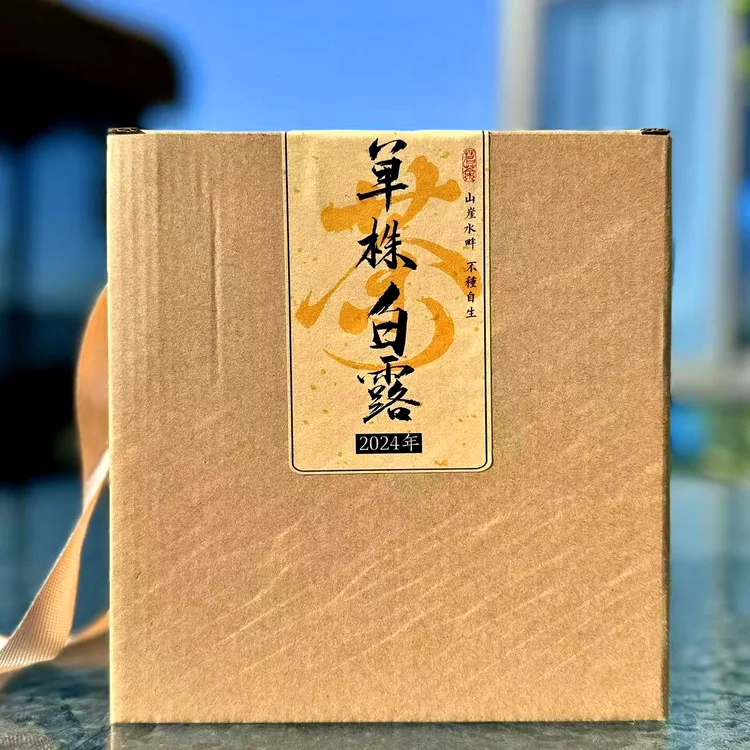
3. 2024 Solitude Autumn Bounty White Tea – Fresh New Tea, Taste the Original Autumn Sweetness
This freshly picked single-bush Bailu tea fully retains the pure freshness of autumn dews.
The dry tea presents natural layered tones unique to autumn tea.
It releases pure and uplifting floral aroma after brewing.
The tea soup is fresh, sweet and smooth without astringency or greasiness.
Every sip embodies the fresh vitality of autumn mornings.
It is suitable for tea lovers who prefer light taste.
It relieves dryness and internal heat effectively on dry autumn days.
Final Summary
You do not need to pursue expensive or rare tea when choosing autumn white tea.
Remember the core principle: Prioritize Bailu Shoumei in autumn; taste freshness from new tea, sweetness from medium-aged tea, and mildness from old tea.
Whether for daily thirst quenching, seasonal health preservation or tea collection, these three Bailu white teas of different vintages can meet your needs.
You can slowly appreciate the unique sweet charm of autumn white tea.