
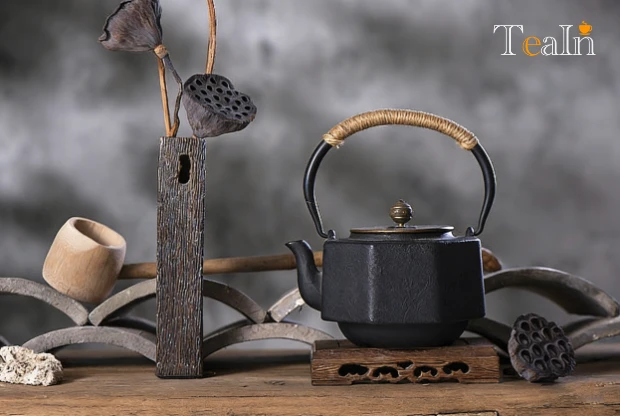
In choosing utensils for simmering aged white tea, iron kettles often draw attention for their rustic appearance and excellent heat retention. However, many tea lovers find that the taste and color of the tea liquor are affected after use, and there may even be potential health risks. Combining the ...
knowledge
16 Feb
14 Feb
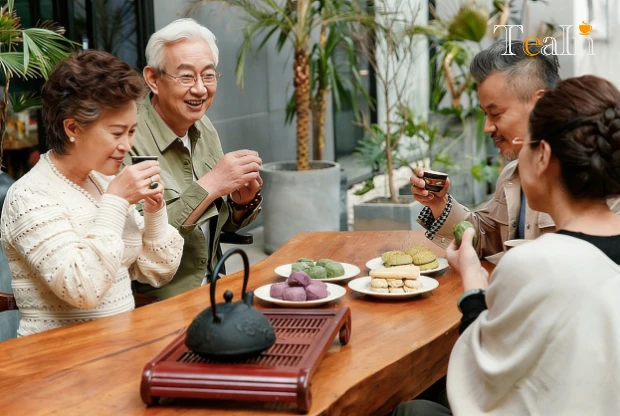
Amid the global trend of healthy beverages, tea has become a daily choice for countless people due to its natural properties and rich benefits. Both traditional Eastern wellness concepts and modern scientific research recognize tea’s health value, while emphasizing the core principle that "tea is su...
12 Feb
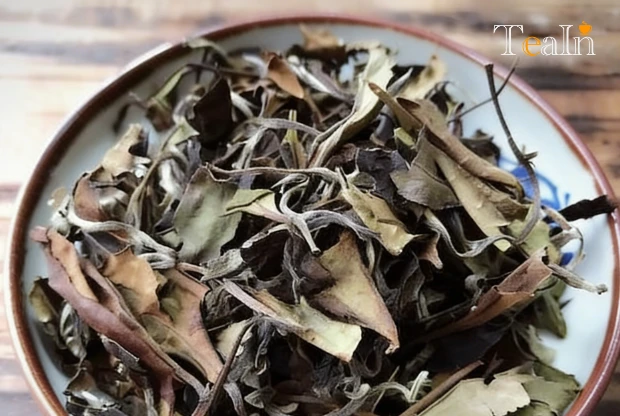
Amid the global white tea boom, Shoumei is highly favored for its excellent cost-performance, and health-conscious consumers often incorporate it into their daily lives. However, many people deliberately pick out tea stems when brewing Shoumei, considering them rough and harmful to taste. Little do ...

09 Feb
Amid the global trend of antioxidant wellness and natural healthy beverages, white tea has gained widespread attention for its exceptional antioxidant properties. More and more health-conscious consumers have integrated white tea into their daily lives, hoping to combat free radical damage and slow ...
07 Feb
Amid the global trend of healthy beverages and natural wellness, white tea’s reputation as "women’s tea" has crossed cultural boundaries, gaining popularity among women in Europe and America. This title is no marketing gimmick but stems from white tea’s unique composition, gentle nature, and strong ...
03 Feb
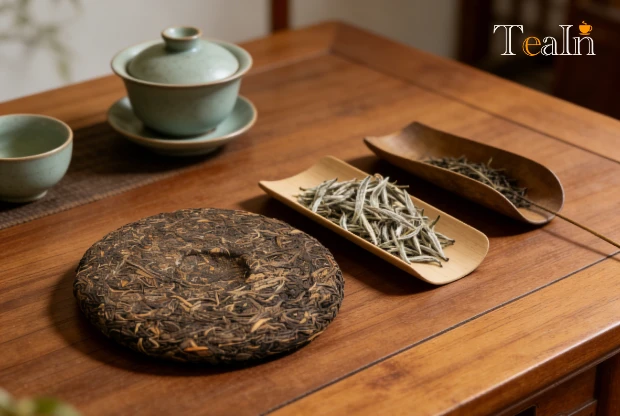
Amid the global white tea consumption boom, many tea lovers familiar with Pu-erh tea often wonder if Fuding white tea, like Pu-erh, is divided into raw and ripe varieties. This question not only confuses new tea enthusiasts but also impacts the correct understanding and tasting of white tea. The ans...

02 Feb
Amid the global boom in healthy beverages, Chinese white tea has gradually found its way onto the tea tables of Western households, thanks to the folk saying "One year as tea, three years as medicine, seven years as treasure." This tea variety, crafted through natural withering without pan-frying or...
31 Jan
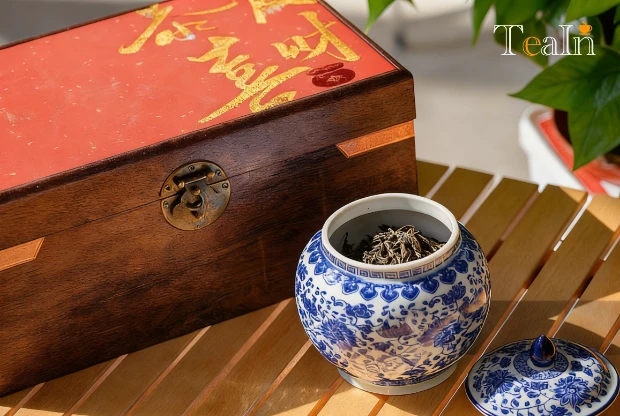
In tea tasting and daily consumption, many people use porcelain jars to store small amounts of tea for easy access. With their elegant appearance and gentle texture, porcelain jars are a popular choice among tea lovers. However, practical use often leads to issues like tea dampness, mold, and flavor...
29 Jan
As a representative of traditional Chinese teas with minimalist processing, white tea has long been known for the saying "One year as tea, three years as medicine, seven years as treasure." Its natural withering process—without pan-frying or rolling—preserves the tea’s inherent nutrients. From ancie...
27 Jan
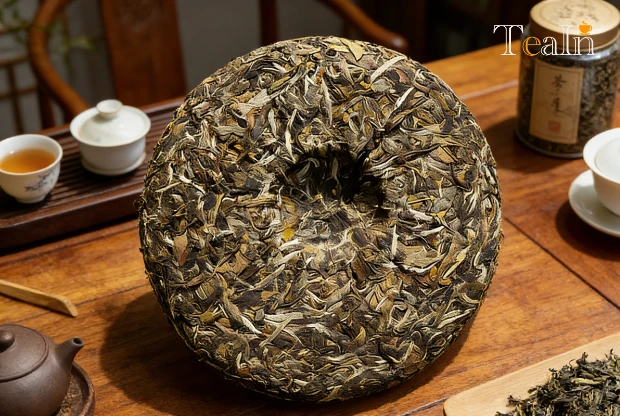
White tea cakes are a favorite among tea lovers for their ease of storage and aging potential. However, brewing the "dimple"—the concave area at the center of the cake’s back—often proves tricky. Formed during pressing when the mold’s protruding center applies greater pressure, this dimple is denser...