
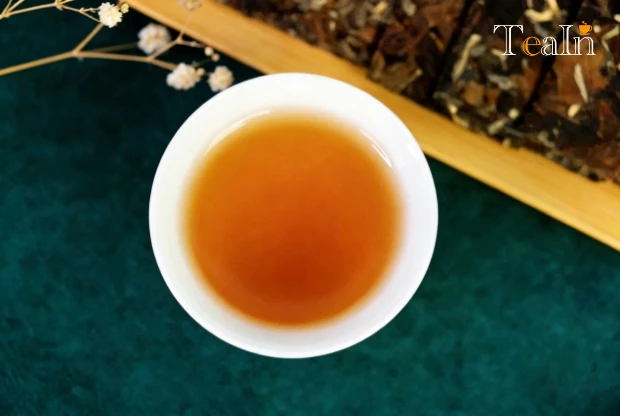
When we brew aged white tea, we all notice a very interesting phenomenon: a thin layer of white "oil mist" floats on the surface of the hot tea just poured out. When we blow on it gently, it scatters in all directions, appearing and disappearing, and changing shape. This mysterious "oil mist" is "Ch...
Blog & News
27 Aug
26 Aug
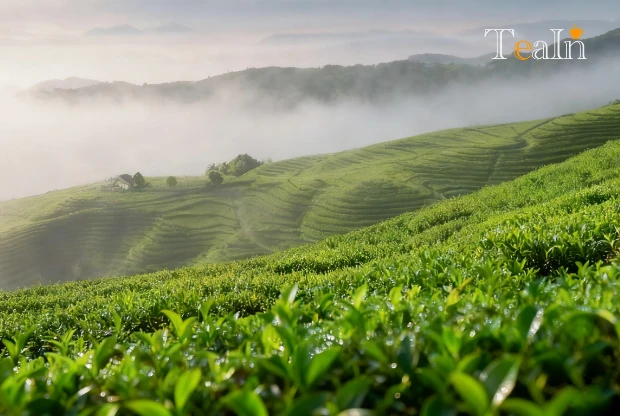
The most obvious weather change after the start of autumn is the large temperature difference between day and night. It is still warm in the daytime, while cool breezes blow in the early morning and night, making the air extremely dry. An old folk saying goes, "From Bailu to the Autumn Equinox, ever...
25 Aug
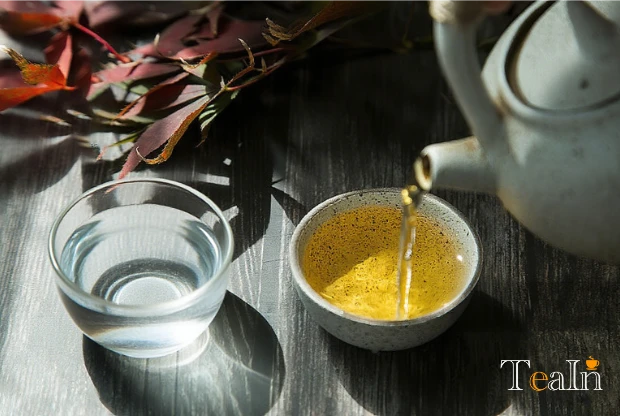
There’s a well-known saying: “Humans can go days without food, but not a single day without water.” Water, as the most basic daily beverage, remains a top choice for health-conscious people. Meanwhile, in tea-rich regions of China like Fujian and Yunnan, another proverb prevails: “One can live three...
25 Aug
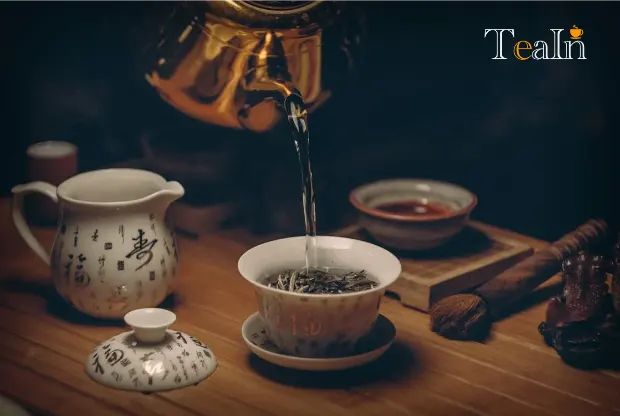
What is White Tea Originating in China, white tea is made with minimal processing and delivers an elegant, delicate flavour. Its tea buds are hand picked. Minimal processing retains the tea's natural compounds, producing a pure, high quality infusion packed with antioxidants to support healthy skin...
03 Jul
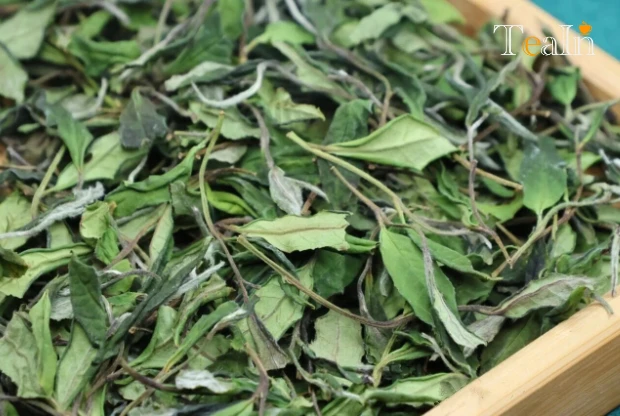
When it comes to Fuding white tea, most people think of the two mainstream varieties: Fuding Dabai Tea and Fuding Dahao Tea. But in the circle of white tea enthusiasts, there is another niche yet high-quality option—Fuding Xiaocai Tea. It is not a common large-scale variety, but has become a favorit...
03 Jul
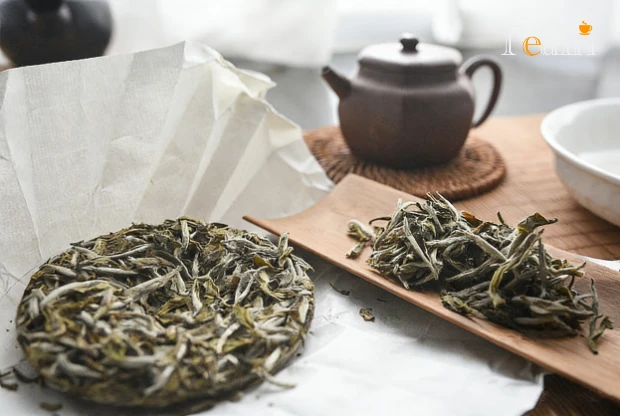
Loose leaf white tea and compressed white tea each have unique flavors. The quality of compressed white tea largely depends on the timing of pressing. Many consumers are unsure when white tea should be pressed into cakes or why this knowledge matters. In fact, choosing the right pressing time is key...
15 Jun
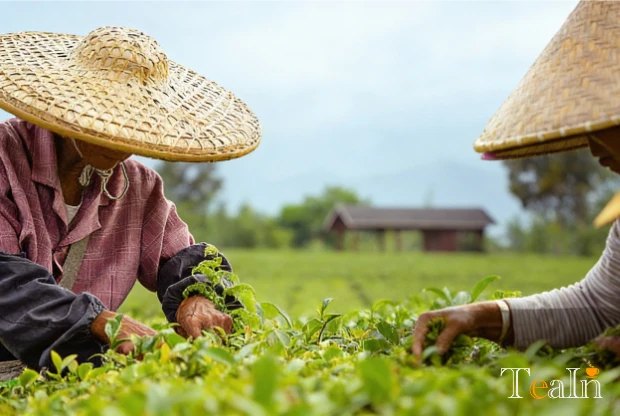
The birth of high-quality white tea requires strict standards starting from the harvesting weather. Many tea lovers will find that premium white tea is mostly harvested on sunny days, while rarely picked on rainy days. This is not a mere traditional habit but determined by tea leaf characteristics a...
26 May
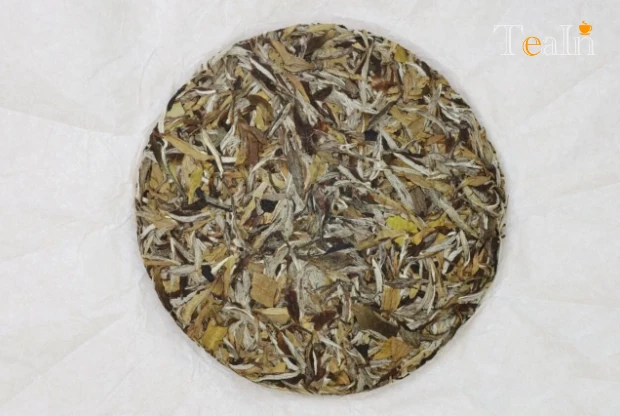
For white tea of the same type and vintage, compressed tea (bingcha) always tastes richer and thicker than loose leaf tea—an experience shared by many tea lovers. This difference does not stem from raw materials or quality, but mainly from processing techniques, combined with the impact of aging, ul...
17 Apr
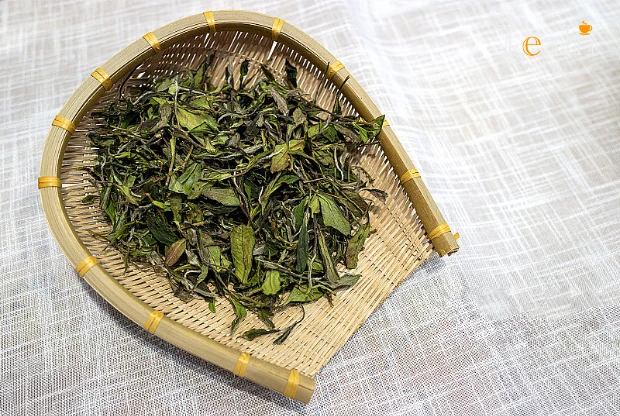
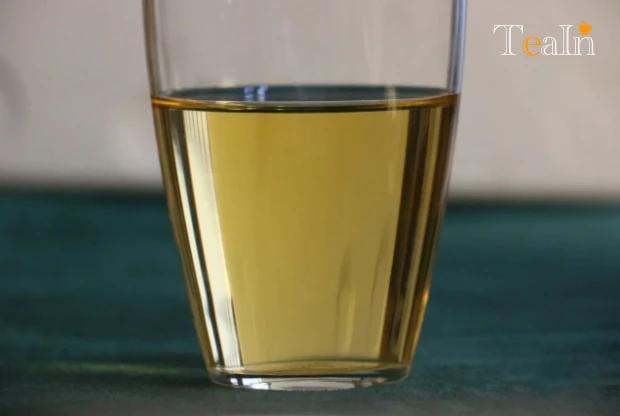
A common observation among white tea enthusiasts is that aged Shoumei and Bai Mudan of the same vintage will always see the former darker than the latter. High-vintage aged Shoumei is mostly deep brown, interspersed with layers of bronze, yellow, and pale cyan. In contrast, high-vintage Bai Mudan is...
17 Apr
Drinking tea is a daily habit for many, but the claim that "overnight tea can't be drunk" has long circulated—some worry it contains nitrites that cause cancer, while others think leaving it overnight must make it unhygienic. Can you actually drink overnight tea? The key is to separate myths from re...