
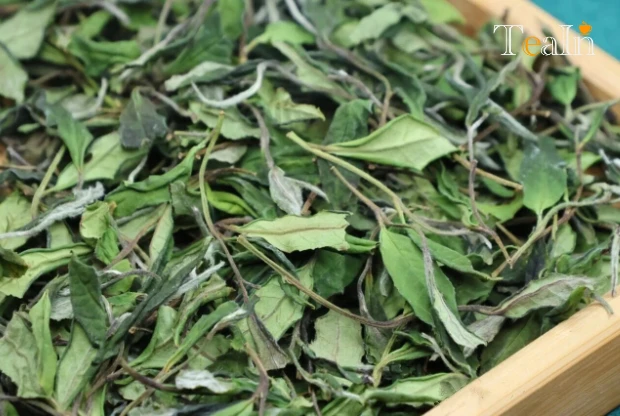
When it comes to Fuding white tea, most people think of the two mainstream varieties: Fuding Dabai Tea and Fuding Dahao Tea. But in the circle of white tea enthusiasts, there is another niche yet high-quality option—Fuding Xiaocai Tea. It is not a common large-scale variety, but has become a favorit...
Blog & News
03 Jul
03 Jul
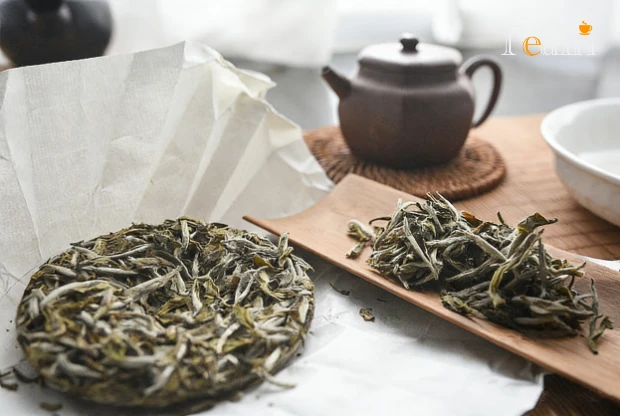
Loose leaf white tea and compressed white tea each have unique flavors. The quality of compressed white tea largely depends on the timing of pressing. Many consumers are unsure when white tea should be pressed into cakes or why this knowledge matters. In fact, choosing the right pressing time is key...
15 Jun
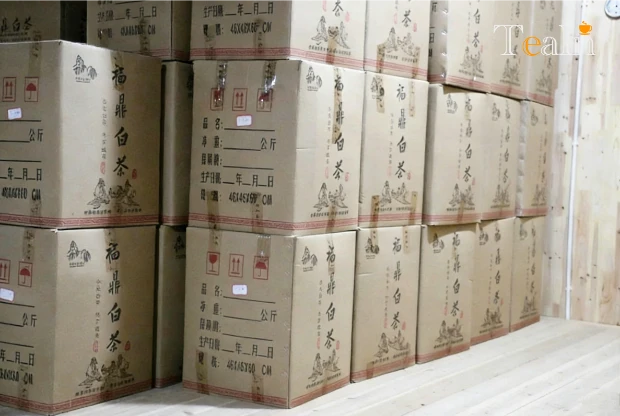
The "increasing fragrance with age" of high-quality white tea is inseparable from an excellent storage environment. As an ideal choice for white tea storage, wooden dry warehouses provide stable conditions for tea aging with their unique characteristics, becoming a key choice for many tea lovers col...
15 Jun
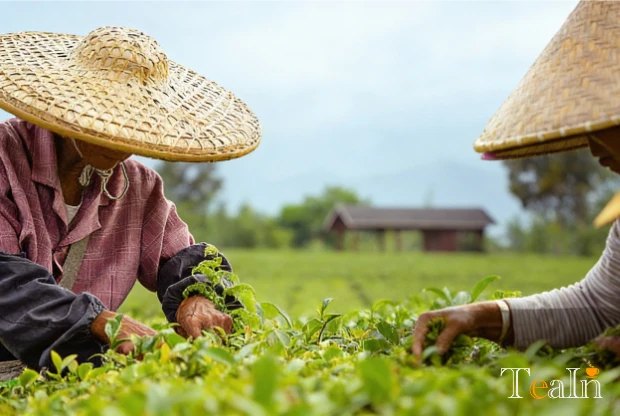
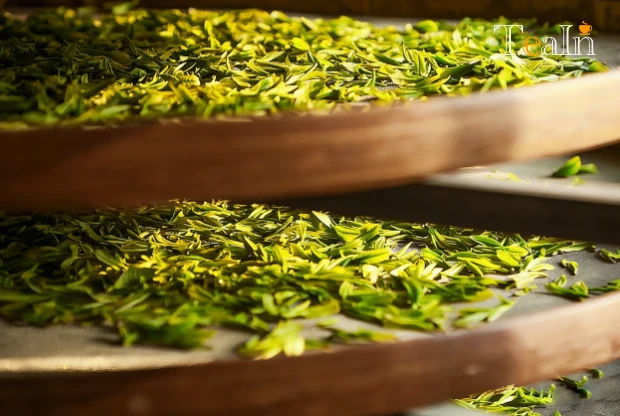
The birth of high-quality white tea requires strict standards starting from the harvesting weather. Many tea lovers will find that premium white tea is mostly harvested on sunny days, while rarely picked on rainy days. This is not a mere traditional habit but determined by tea leaf characteristics a...
01 Jun
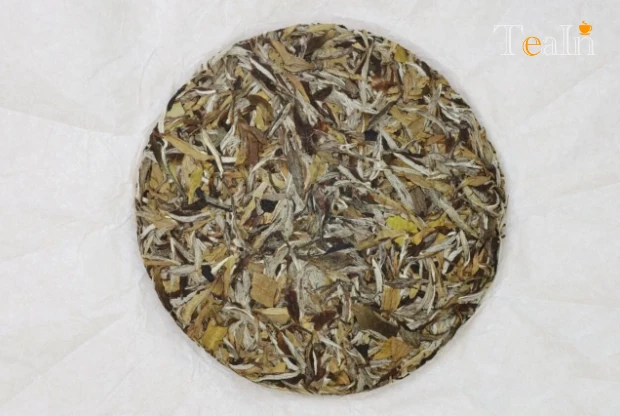
Dryness is one of the core factors determining white tea quality, yet it is often overlooked by tea lovers. Both the fresh flavor of new tea and the aging potential of aged tea depend on the foundation of "sufficient dryness." How crucial is dryness for high-quality white tea? It directly affects th...
26 May
For white tea of the same type and vintage, compressed tea (bingcha) always tastes richer and thicker than loose leaf tea—an experience shared by many tea lovers. This difference does not stem from raw materials or quality, but mainly from processing techniques, combined with the impact of aging, ul...
26 May
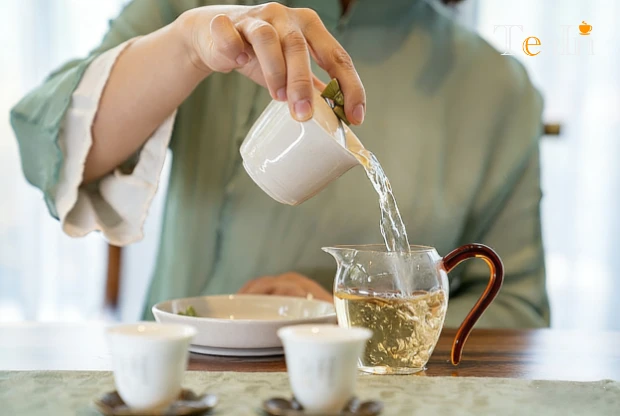
New tea, having not undergone long-term aging, contains higher levels of tea polyphenols and caffeine than aged tea. Many tea lovers encounter bitterness when brewing it. In fact, this bitterness is not a sign of poor tea quality but mainly stems from improper brewing methods. Mastering a few key te...
19 May
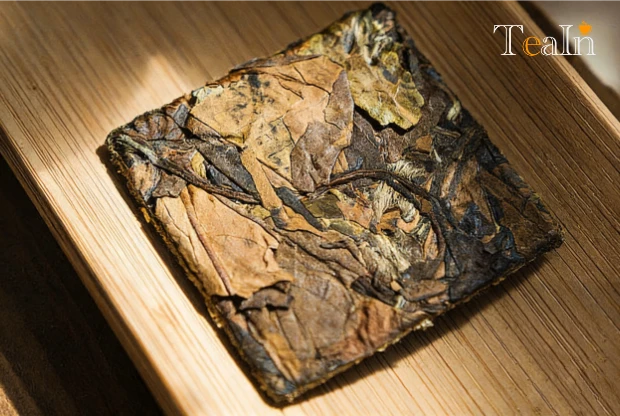
Fuding white tea is beloved for its characteristic of "becoming more fragrant as it ages," but this does not mean it can be stored indefinitely. Its storage period is influenced by raw material quality and storage conditions. Identifying a reasonable storage window is essential to truly reflect the ...
19 May
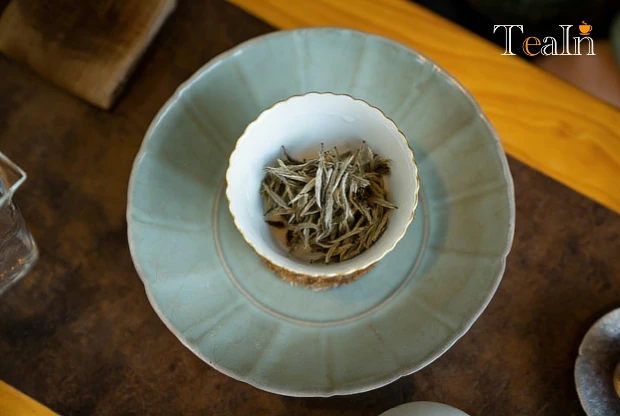
Many beginners entering the world of white tea fall into the misunderstanding that "the higher the grade, the better." They believe Baihao Yinzhen (Silver Needle), the top-grade white tea variety, is a must-have for beginners. However, after tasting it, many find its taste too mild and "lacking flav...

06 May
Many tea lovers have a question when storing white tea: will sealed storage hinder the tea’s transformation, and is regular ventilation necessary? The answer is clear: white tea does not require regular ventilation. A sealed environment is crucial for its natural aging, and frequent ventilation will...