
In the white tea market, "wilderness tea" and "wild tea" are two frequently confused concepts. Many tea lovers mistakenly purchase wilderness tea as wild tea, while some merchants exploit this ambiguity to mislead consumers. In reality, the two differ fundamentally in origin, growing environment, qu...
knowledge

27 Mar
24 Mar
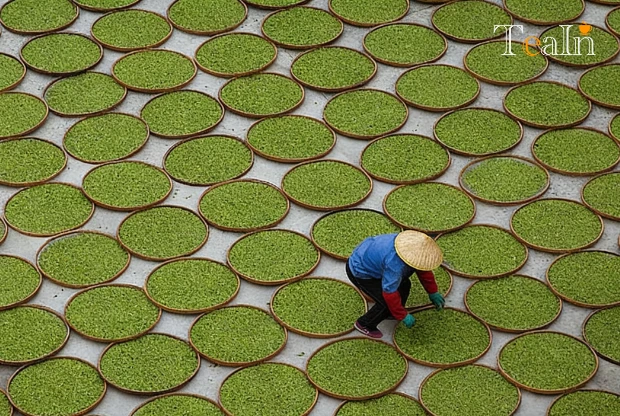
High-quality Fuding white tea adheres to the principle of "following the rhythm of nature" in harvesting and production. Its core output is concentrated in spring and autumn, with some tea makers producing small batches of winter leaves. However, "summer tea"—harvested in summer—is firmly rejected b...
09 Mar
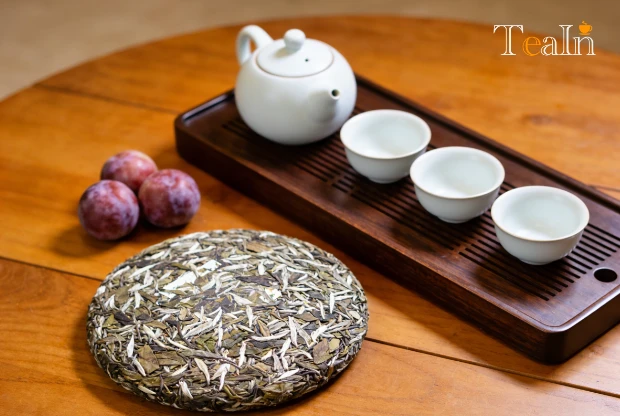
The "plum aroma" of Fuding white tea is a common confusion among tea enthusiasts. When opening a tea package, if you detect a sweet-tart scent similar to green plums, some sellers may praise it as a unique flavor of high-quality aged tea. In reality, it is often a sign of tea spoilage. Does Fuding w...
06 Mar
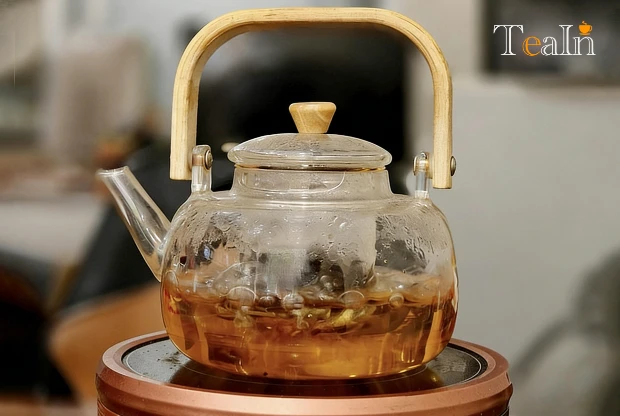
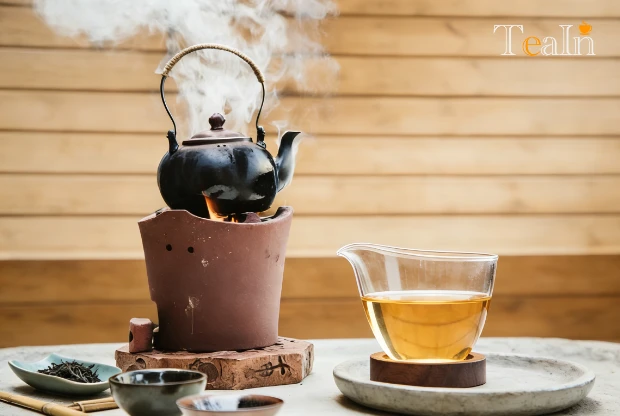
Many tea lovers encounter a confusion when tasting aged white tea: while it requires quick brewing and absolutely no prolonged steeping (otherwise the liquor turns bitter and unpleasant), it is surprisingly well-suited for long-time simmering. The simmered liquor, instead, becomes smooth, mellow, an...
03 Mar
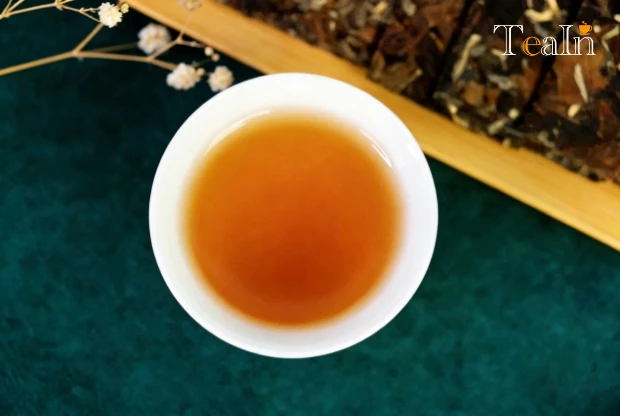
When simmering aged white tea, many tea lovers notice an interesting phenomenon: a thin layer of white "oil mist" floats on the surface of freshly poured hot tea. It disperses with a light blow, appearing faintly and constantly changing shape. This mysterious "oil mist" is not an impurity but "Tea M...
28 Feb
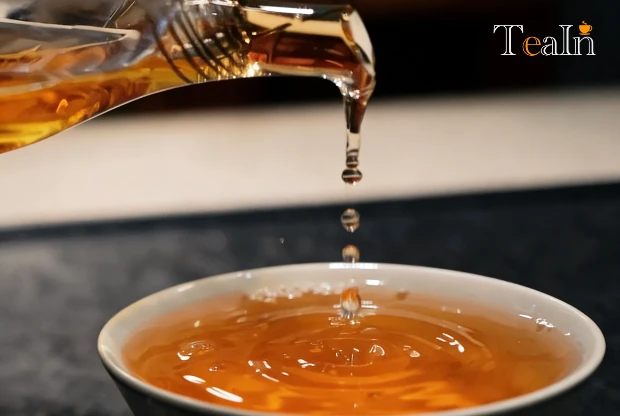
Many tea lovers intentionally lower the water temperature when brewing Fuding white tea, especially for delicate varieties like Baihao Yinzhen. They worry that high heat might damage the tea’s internal components and ruin its taste. However, the opposite is true. Fuding white tea’s unique production...
26 Feb
Amid the global trend of wellness tea drinking, simmering aged white tea has become a lifestyle that combines ritual and health benefits. Many tea lovers have encountered this confusion: while it’s the same aged white tea, others brew a rich, smooth cup, but theirs turns out either thin and bland or...
24 Feb
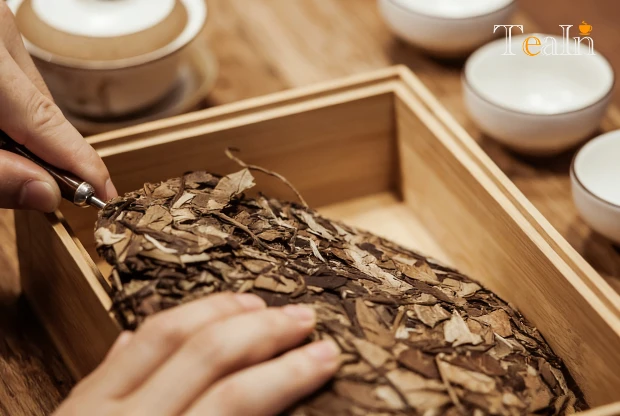
Prying a white tea cake is a crucial preliminary step in tasting white tea. It may seem simple, but it requires skill. Improper methods not only cause tea leaves to break and risk injury but also damage the integrity of tea strips. This affects the evenness of steeping, resulting in either weak or b...
22 Feb
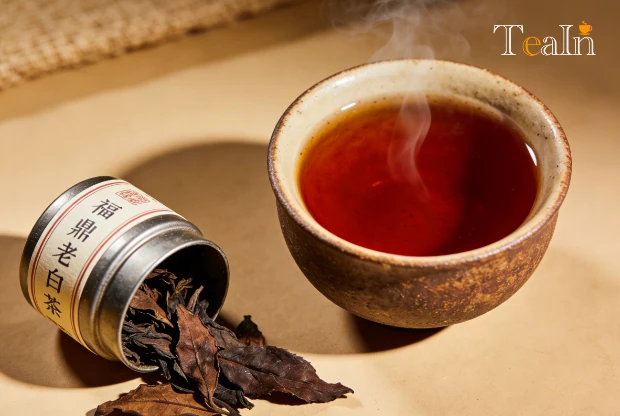
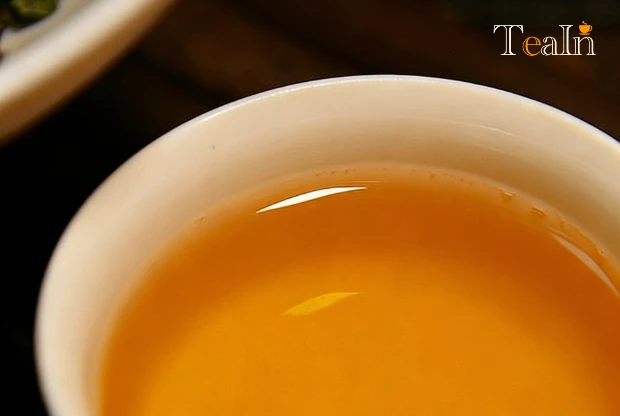
In the tasting and collection of white tea, changes in liquor color are the most intuitive mark of time. Fresh white tea typically presents a clear apricot yellow or pale yellow hue. In contrast, aged white tea that has undergone years of aging gradually turns to a rich red amber or orange-red color...
18 Feb
Many tea lovers, including numerous Western enthusiasts new to aged tea, often encounter a confusing scenario: an aged tea brews into a rich, dark liquor that seems to signal high quality, yet after just three or four infusions, the aroma and flavor fade rapidly, losing the mellow richness that defi...